Atlanta neighborhood
Mid-century exterior painting and staining in Pine Hills (30324)
Pine Hills is built on steep, wooded terrain with creeks running through it, and most homes date from the years right after World War II. We repaint and restain the wood siding, flat soffits and big window walls these mid-century houses are known for. ZIP 30324.
- Area
- Pine Hills, Atlanta
- ZIP code
- 30324
- County
- DeKalb County
- Nearest office
- Atlanta office, Peachtree St NE
- Phones
- Answered 24/7
- Estimates
- Free walkthrough
Most Pine Hills work involves mid-century exteriors: vertical wood siding, board-and-batten, deep flat overhangs and clerestory windows, along with infill homes on the same streets. A full exterior repaint usually takes 6 to 10 working days. Stained wood gets stripped or deep-cleaned before recoating. Call (470) 458-0461 to have us walk the property.
The neighborhood runs from Lenox Road east to Roxboro Road, between Buford Highway and the rail line along East Paces Ferry Road, and it straddles the Fulton and DeKalb line. Elevation changes quickly here, and Indian Creek and the north fork of Peachtree Creek cut through the low ground. Streets climb and twist, and many houses sit well below or above the road.
Builders put up most of today's houses after the war, and many chose modern designs: low-pitched roofs, wide eaves, vertical siding and walls of glass facing the woods. Those features look great and are hard on paint. Wide overhangs protect the walls, but exposed beam ends and fascia take the weather. Newer infill homes are mixed in, usually with fiber cement and painted trim. Where we find failing boards, we handle wood repair before any paint.
Homes here
Postwar modern houses and what their wood needs
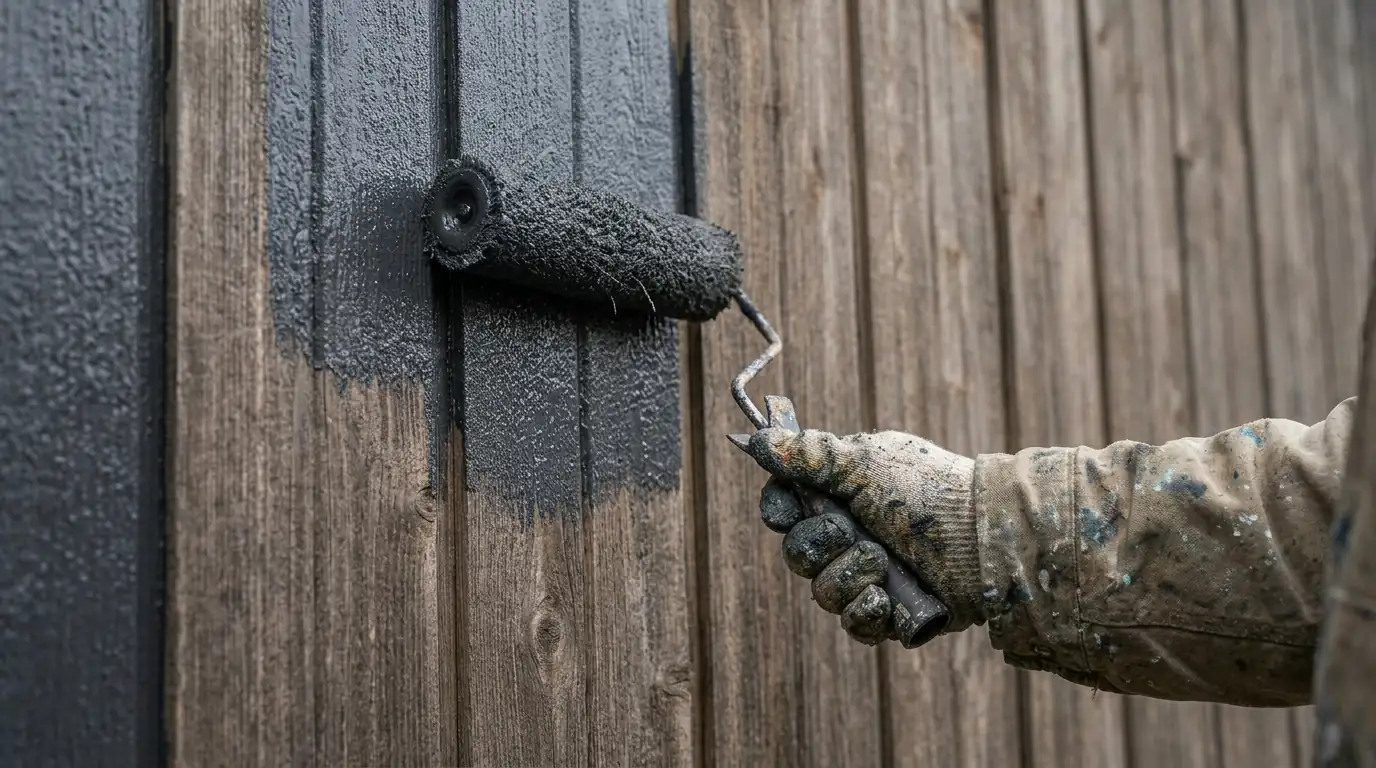
Many Pine Hills homes have vertical tongue-and-groove or board-and-batten cedar or redwood siding that was stained originally, then painted at some point. Paint over old stain can peel in sheets where moisture gets behind it. We scrape to a sound edge, spot-prime with a tannin-blocking primer, and finish with an acrylic made for wood siding. If the owner wants to go back to a stained look, we can strip and restain, though that is a bigger job.
Flat soffits, exposed rafters and beams that extend past the walls take rain directly on their ends, and end grain soaks up water like a sponge. We seal end grain with primer and caulk the tops of beams. Big window walls mean many glazing stops to cut in by hand. Inside, many of these homes have wood ceilings and paneling, and owners often ask us for interior wood refinishing at the same time.
Most requested
Work we do most on Pine Hills homes
Vertical wood siding repaint
Scraping, spot-priming and repainting tongue-and-groove and board-and-batten siding, working from top to bottom so drips never land on finished boards.
Exterior House PaintingBeam ends and flat soffits
Sealing end grain on exposed beams and rafters, repairing checked or split wood, and repainting wide flat soffits that collect mildew on their shaded undersides.
Soffit & Fascia PaintingMid-century front door color
A bold door is part of the mid-century look. We sand the door smooth, prime, and brush or spray a high-gloss enamel in colors like teal, orange or mustard.
Front Door & Shutter PaintingWood ceilings and paneling
Cleaning, sanding and refinishing tongue-and-groove ceilings and paneled walls, or painting them light over a stain-blocking primer when the owner wants a brighter room.
Interior Wood StainingGentle wash before paint
Low-pressure washing of siding, decks and walks to remove algae and pollen without forcing water into the soft, weathered wood of older cedar or redwood siding.
Pressure WashingLocal conditions
Hills, creeks and shade: what Pine Hills does to paint
Steep lots and tall downhill walls
A house that looks like one story from the street can be three stories in back. We plan scaffolding or lifts on slopes and protect the hillside below from runoff.
Creek-side dampness
Houses near Indian Creek and Peachtree Creek stay humid on their low sides. We check siding with a moisture meter and wait for safe readings before priming.
Paint over old stain
Stained siding that was painted over later often peels. We test adhesion with tape before quoting, since some walls need full stripping, not spot scraping.
Woodpeckers and carpenter bees
Both go after soft cedar siding. We fill holes with exterior wood filler and keep surfaces painted so fresh damage is easier to spot early.
Timing
Scheduling around slow-drying wooded lots
With the tree cover and creeks, Pine Hills siding dries slowly after rain. We favor exterior work in the drier stretches: late April through mid-June and mid-September through October. Stain needs dry wood, so we take moisture readings the morning of application and push the date when needed. Summer jobs start early and follow the sun around the house. In winter we shift to interior wood ceilings and paneling, which is a good season to get on the schedule.
Questions
Painting questions from Pine Hills
Can you bring back the stained look on my painted cedar siding?
Usually, but it is a big job. The paint has to come off completely, typically with a chemical stripper and a careful low-pressure rinse, then the wood is brightened and left to dry. Some boards may need replacing. A restain often costs 1.6 to 2.2 times as much as a repaint, and it needs a fresh coat every three to five years.
My house is three stories on the downhill side. How do you reach it?
We use scaffolding or an articulating lift, depending on access. On very steep slopes we build level scaffold bases on adjustable jacks and timber pads. We look at access during the walkthrough so the estimate includes the equipment and setup time, and we protect your plantings and hillside from runoff while we work.
What colors suit a mid-century house in Pine Hills?
Many owners stay close to the original palette: warm grays, olive and sage greens, deep browns or charcoal on siding, with white or natural trim and a strong accent door. We paint large samples on two walls so you see them in shade and in sun. Our color help can narrow the field to a short list first.
How often do the flat soffits need repainting?
On shaded north and east sides, every five to seven years is common, because mildew grows on the underside where sunlight never reaches. A yearly gentle wash stretches that. South and west soffits often last longer. We use a mildew-resistant finish and clean old growth with a mildewcide before painting, so the new coats start clean.
Painting in Pine Hills? Call us first
Tell us the house, the surfaces and the timing. We will book a free walkthrough and send a written scope.