Exterior painting in Atlanta
Fence staining and painting in Atlanta for privacy and picket fences
A gray, mildewed privacy fence makes a whole yard look neglected, and peeling paint on a picket fence shows from the street. Fences are long, rough and awkward to reach on the back side, so most homeowners put this job off for years.
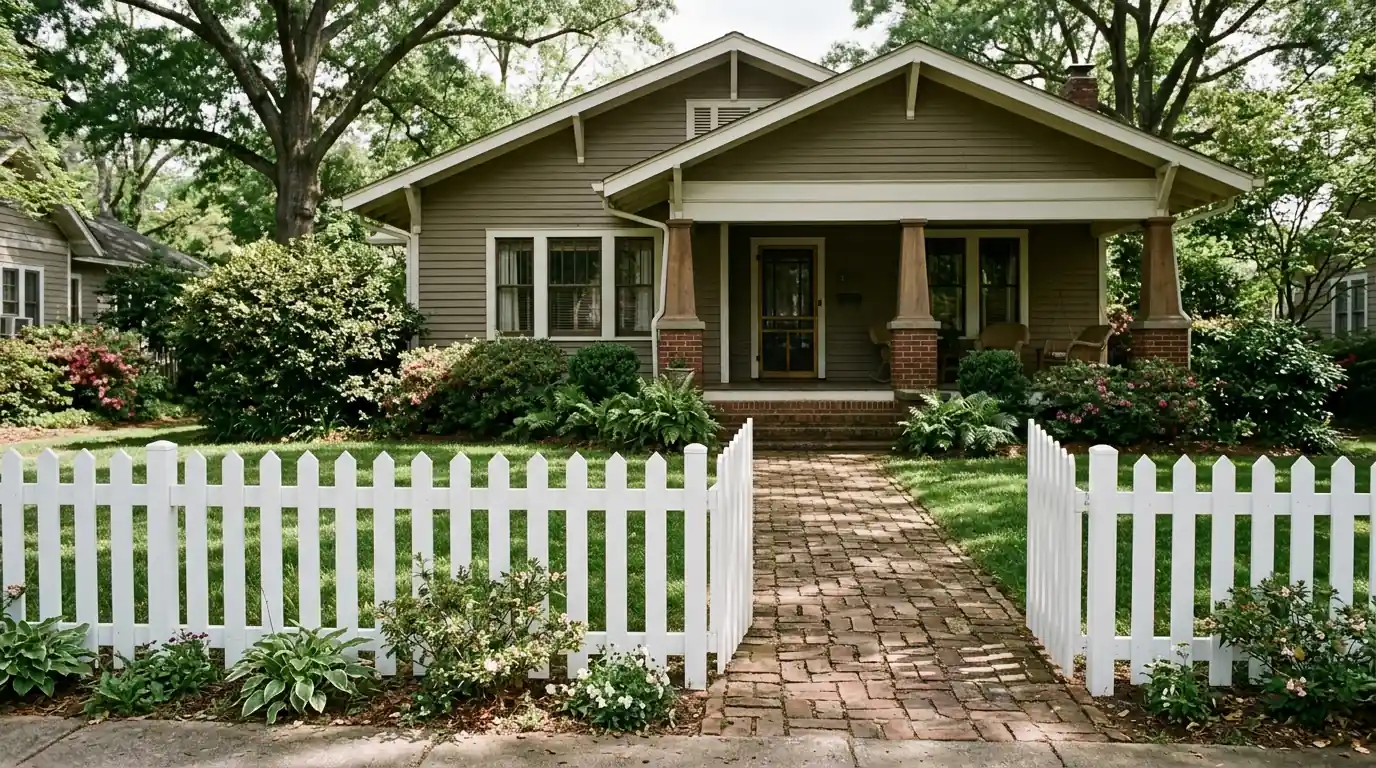
We wash, repair and then stain or paint wood fences, spraying the finish and back-brushing it into the rough-sawn boards. Both sides get done when you and your neighbor agree on access. A typical 150-foot, six-foot privacy fence takes one to two days and runs about $1,560 to $3,290 for one side. Call (470) 458-0461 to get the fence measured.
Fences take more weather than a house wall. They stand in sprinkler spray, collect splashed clay at the bottom, and get no shelter from eaves. Most privacy fences around Atlanta are rough-sawn pressure-treated pine or cedar pickets on pine posts and rails, and that rough surface drinks finish unevenly. That's why fence work is mostly about getting enough product into the wood, not about how the first coat looks.
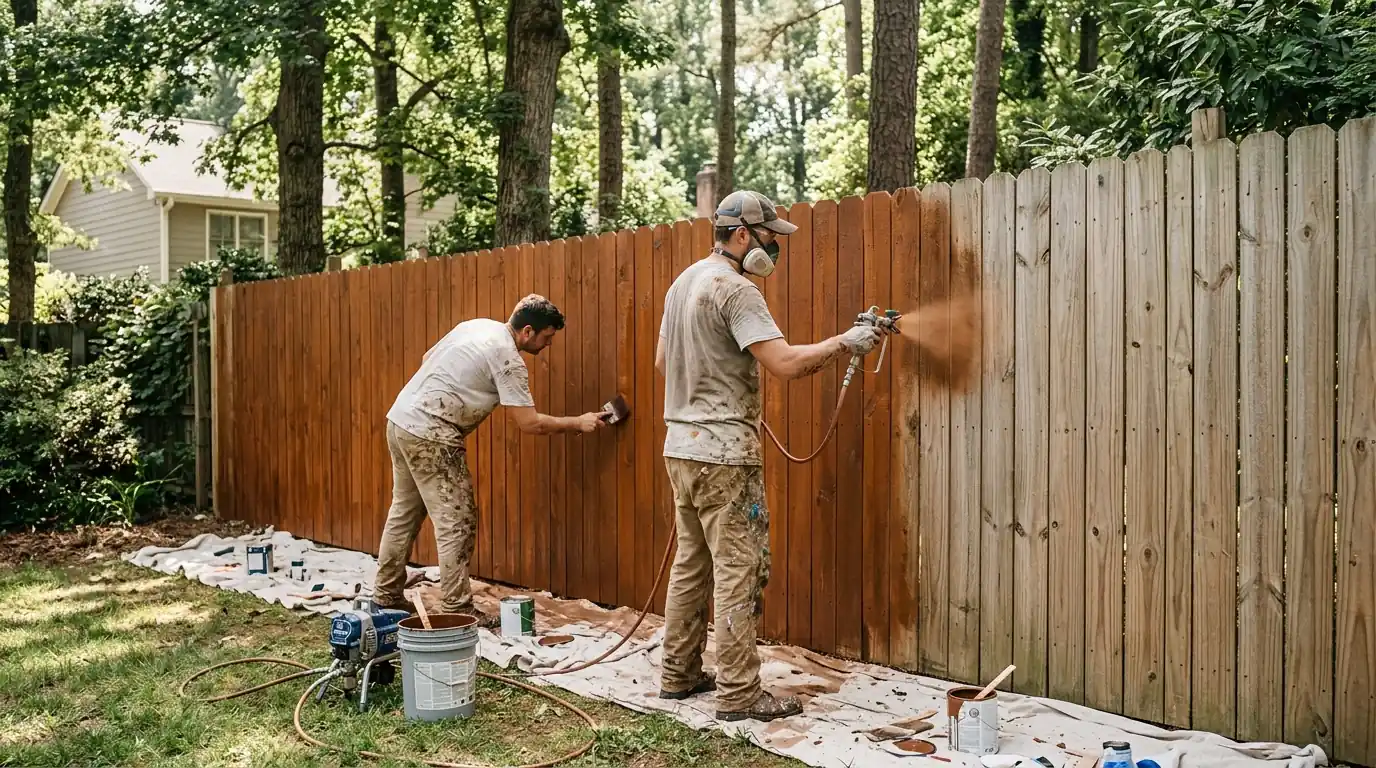
We spray because it's the only practical way to reach every gap between pickets, but we never spray and walk away. A second painter follows the sprayer with a brush, working the stain into the grain, catching runs and pushing finish into the end grain at the bottom of each picket, which is where fences usually rot first. It's the same back-brush habit we bring to every deck refinish.
Stain or paint is the first decision. A penetrating semi-transparent or solid stain soaks in and fades gradually, so later coats are a simple clean and respray. Paint looks crisp on picket fences in front of older bungalows but peels as it ages and needs scraping before every repaint. For long privacy runs we almost always recommend stain, and we'll explain why at the walkthrough.
When to call
When a fence needs stain or paint again
Silver-gray pickets
Gray wood means UV has broken down the surface fibers. The fence still stands, but the boards are drying, checking and starting to cup at the edges.
Green growth at the base
Algae and mildew climbing the lower foot of a fence mean moisture is sitting there. Without a clean and a fresh finish, the bottom rail and picket ends start to soften.
Peeling paint on pickets
Paint lifting from a picket fence leaves bare wood exposed between the flakes. Each wet season after that pushes more water under the paint that remains.
Orange clay staining
Red clay splashed onto the lower boards by rain and mowers soaks into bare wood. It washes off finished wood far more easily than raw pine.
Cupping and warped boards
Pickets curling at the edges are drying faster on one face than the other. A finish on both sides slows that moisture swing and helps boards stay flat.
Mismatched repair boards
New replacement pickets stand out bright against old gray ones. Cleaning plus a pigmented stain pulls the whole run back to a single, even color.
Scope of work
Our fence staining scope, post to picket
- Walking the fence line to flag loose pickets, leaning posts and rotted rails
- Re-nailing or screwing loose pickets before any cleaning or finish goes on
- Washing with a mildew cleaner and low-pressure rinse, plus brightener on bare wood
- Masking gates, hardware, and any brick or siding the fence meets
- Covering shrubs, beds and lawn edges along the run with drop cloths
- Spraying stain or paint and back-brushing every section by hand
- Treating cut ends, post tops and the bottom edge of every picket
- Finishing the neighbor side when access is agreed in advance
How the job runs
How a fence goes from gray to finished
| Step | What happens |
|---|---|
| A1 | Measure and plan sidesWe measure linear footage and height, note which sides face your yard and which face a neighbor, and confirm whether any HOA color rules apply before we price the stain and the access. |
| A2 | Neighbor accessStaining the outside face means standing on the neighbor's lawn. We ask you to clear that with them, and on the day we knock, introduce ourselves and protect their plants and fence-side items too. |
| A3 | Clean and dryWe wash the whole fence, rinse at low pressure, and brighten bare wood. Then it dries at least a day, longer under heavy shade, because stain over damp wood comes out blotchy. |
| A4 | Fix and fastenLoose pickets get refastened with coated screws or ring-shank nails, and badly split or rotted boards are replaced. We'll flag posts that wobble, since a post repair is a separate fix. |
| A5 | Spray and back-brushOne painter sprays a few sections ahead while a second back-brushes behind, keeping a wet edge along each run so no lap marks show. We watch the wind so overspray stays off cars and siding. |
| A6 | Final walkWe walk the line with you, touch up drips and missed spots, and pull masking from gates and hardware. Most stains are dry to the touch in a few hours and fully set within a day or two. |
Atlanta conditions
What Atlanta yards do to wood fences
Fences under the canopy in places like Decatur, Tucker and the older parts of DeKalb County stay shaded most of the day and hold moisture in the bottom rail and picket ends. Those fences get a mildewcide cleaner every time and a pigmented oil stain that resists growth. Sprinkler heads are a common culprit too: a single head aimed at the fence will soak the same three pickets every morning, and we'll point out which ones to redirect before we stain.
Red clay is everywhere in metro yards. It splashes up the lower foot of a fence in every storm and gets thrown by mowers and leaf blowers. On bare wood that stain becomes permanent, which is one good reason to keep a finish on the fence at all. Many subdivisions in Gwinnett and Cobb also have HOA rules for fence colors, often a short list of approved stains, so we confirm the approved color before we buy any product.
Where we do this work most
Built pages for neighborhoods and cities we cover, with ZIP codes.
Typical costs
Fence staining and painting prices around Atlanta
Fence pricing is mostly linear footage times height, multiplied by how many sides get finished. Board-on-board and shadowbox fences take more product and labor than a simple dog-ear privacy fence because there are more edges to cover. These are typical 2026 Atlanta-area ranges, not quotes, and the walkthrough settles the real number for your fence.
| Work | Typical range |
|---|---|
| Six-foot privacy fence, one side, stain | $8.45 to $16.90 per linear ft |
| Six-foot privacy fence, both sides, stain | $14.30 to $27.60 per linear ft |
| Picket fence, scrape and paint both sides | $11.85 to $24.70 per linear ft |
| Typical 150-foot privacy fence, one side | $1,560 to $3,290 |
| Gate, hardware masking and touch-up | $65 to $185 per gate |
Typical Atlanta ranges, not a quote. Your written estimate follows a free walkthrough. Compare other jobs on our painting price guide.
What moves the price
- Linear footage and height
- One side or both sides
- Board-on-board or shadowbox design
- Stain versus paint
- Picket and rail repairs
- Access along beds and slopes
Stains, paints and sprayers we use on fences
For privacy fences we usually spray a semi-transparent or solid oil-based stain, often Cabot or Sherwin-Williams Woodscapes, or Behr when a homeowner already has a color picked. Water-based solid stains work well where a fence was last finished with one. Picket fences that are already painted get an exterior acrylic, with a bonding primer on bare spots. We spray with an airless Graco rig on a low-pressure tip and back-brush with wide stain brushes, which pushes product into rough-sawn wood far better than spraying alone.
Paints, primers and stains our painters work with every week, from Sherwin-Williams and Benjamin Moore to PPG and Romabio.
Questions
Fence staining & painting questions from Atlanta homeowners
Do I have to stain my neighbor's side of the fence?
No, but there are good reasons to. A fence finished on one side only takes on moisture through the bare face, which can cause cupping and shorter life for the finish you paid for. If your neighbor agrees, we do the second side at a reduced per-foot rate since setup is already done. If they don't, we stain your side and treat post tops and picket edges.
Will overspray get on my car or house?
Not if we're doing our job. We mask siding, brick and windows near the fence, move or cover cars, and check wind speed before we start spraying. On breezy days we switch to brush and pad work near anything we don't want speckled. A hand-held spray shield also keeps the stain going where we aim it.
How soon can a new wood fence be stained?
Brand-new pressure-treated pine usually needs a few weeks to a couple of months to dry. We test with a splash of water: if the boards drink it in, they're ready, and if it beads, we wait. Cedar can be stained sooner. Waiting too long has a cost too, since boards start graying and checking in their first summer.
Is it worth painting a privacy fence instead of staining it?
Usually not. Paint looks sharp at first, but it builds a film that peels on rough-sawn pickets, and every future repaint needs scraping. Solid stain gives a similar opaque look and fades more gracefully, so the next coat is just a clean and respray. Paint makes more sense on smooth picket fences and garden gates next to a painted house.
Can you stain a fence that has ivy or shrubs growing on it?
We can work around light growth, but stain won't reach boards behind dense ivy, and vines hold moisture against the wood. We ask homeowners to cut back vines and trim shrubs a foot or so off the fence before the job. We tie back what we can and cover beds with drop cloths, and the shrubs can grow back afterward.
Related work
Jobs that often go with this one
Deck Staining & Sealing
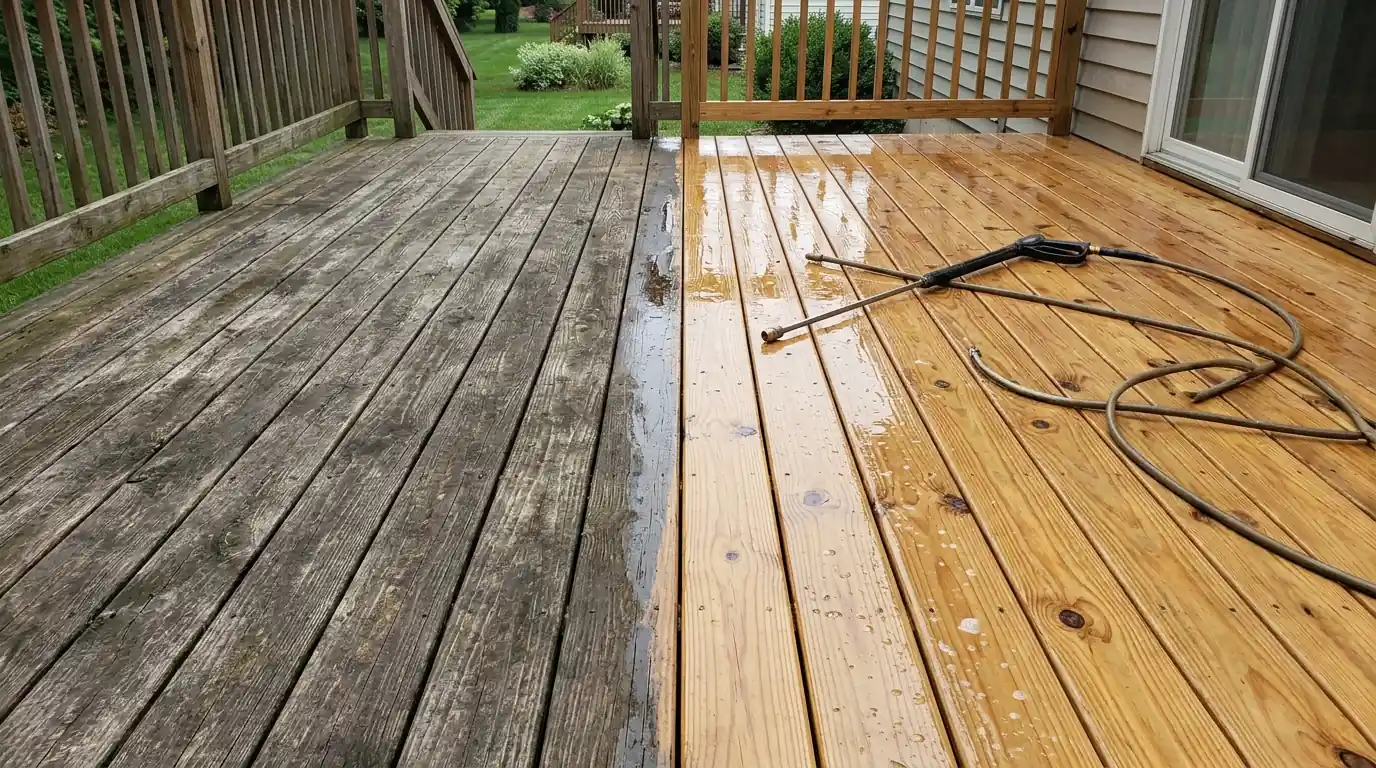
Deck cleaning, brightening and staining in transparent, semi-transparent or solid colors, timed around Atlanta pollen and summer storms.
Pressure Washing
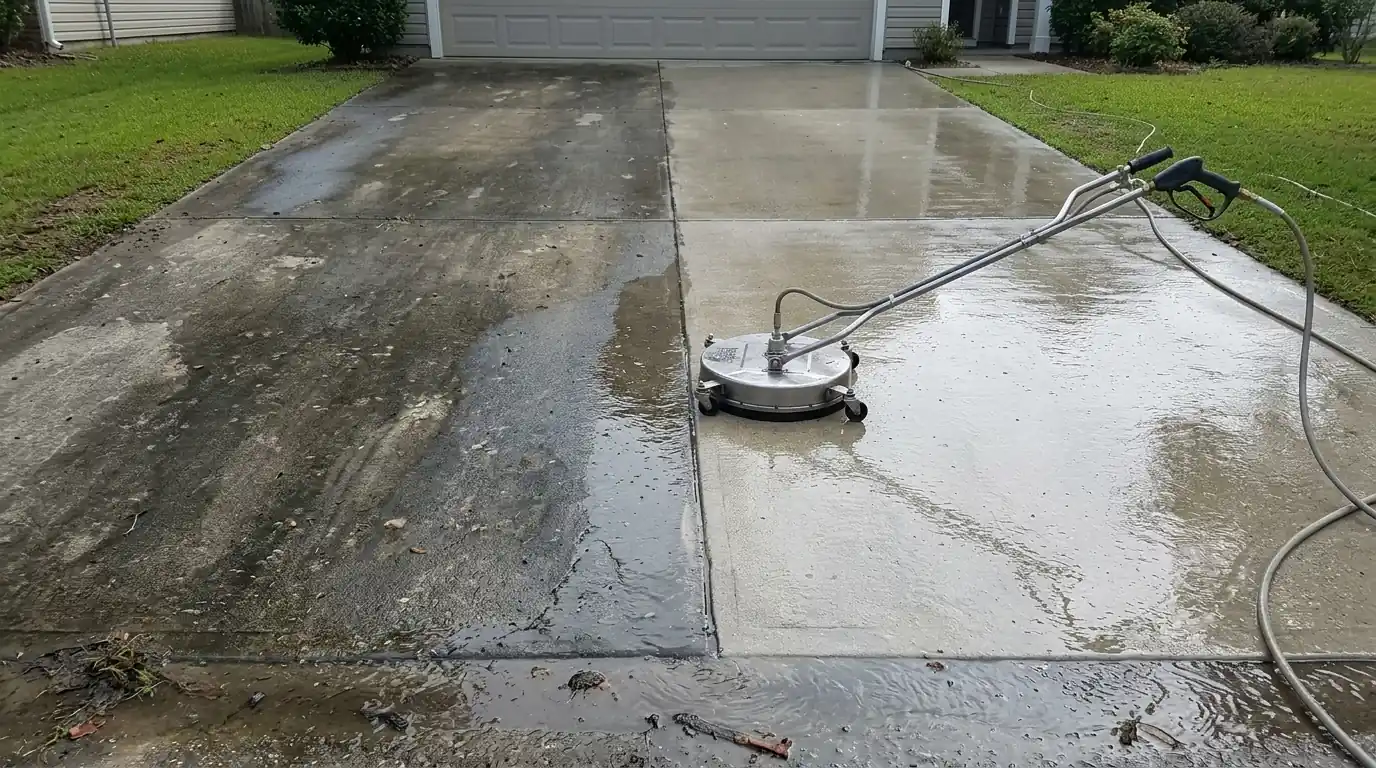
Soft wash for siding and pressure washing for concrete, clearing mildew, algae, pollen and red clay before paint or on its own.
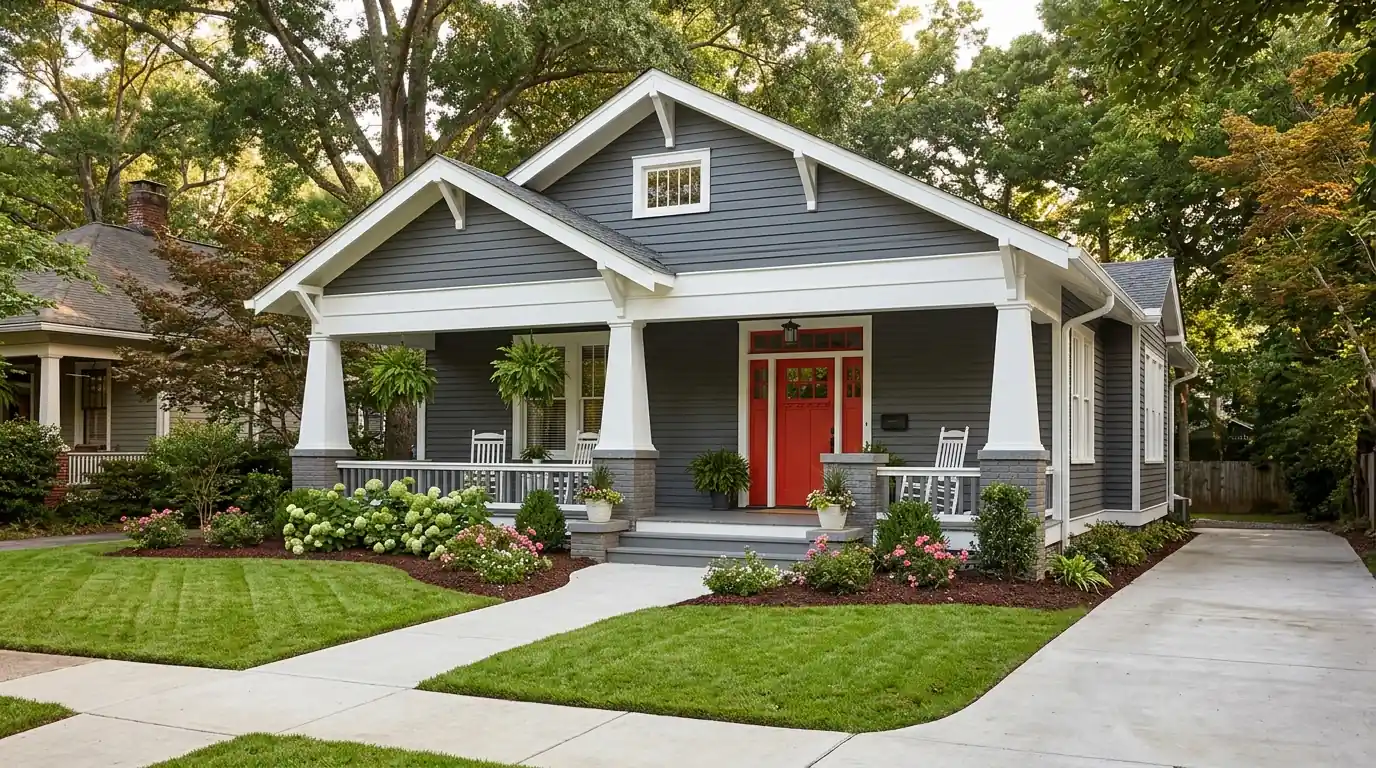
Exterior House Painting
Full exterior repaints on wood, fiber cement and mixed-material Atlanta homes: wash, scrape, sand, caulk, spot prime and two finish coats.
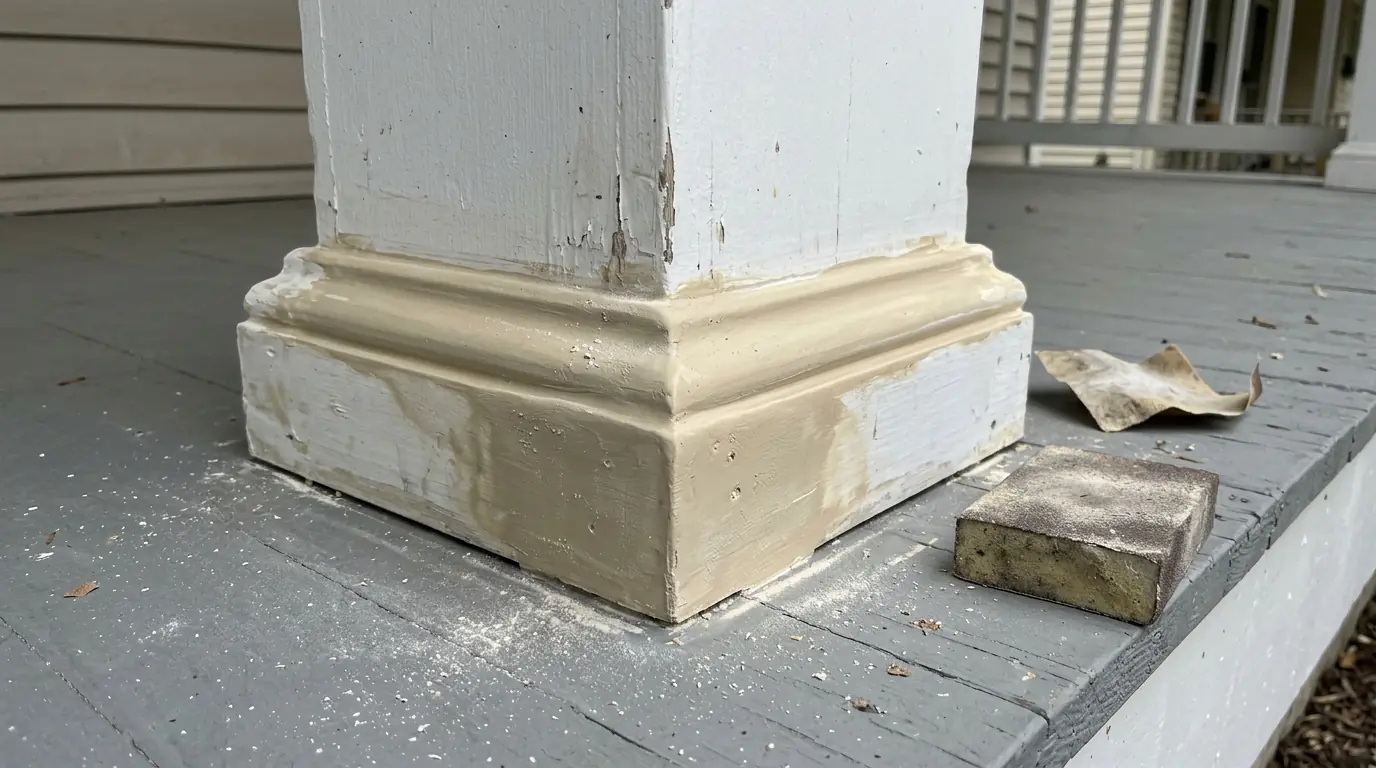
Wood Rot Repair
Rotted trim, sills, fascia, door jambs and column bases repaired with epoxy or replaced with PVC or primed wood, then painted to match.
Talk through your fence staining & painting job
Call any time. We will ask a few questions, set a walkthrough time and put the scope and price in writing.