Interior painting in Atlanta
Basement painting in Atlanta, from block walls to finished rooms
Basements in Atlanta deal with damp clay soil, humid summers and little fresh air. Paint that works upstairs often fails down here. We test the walls first and choose coatings that suit the conditions.
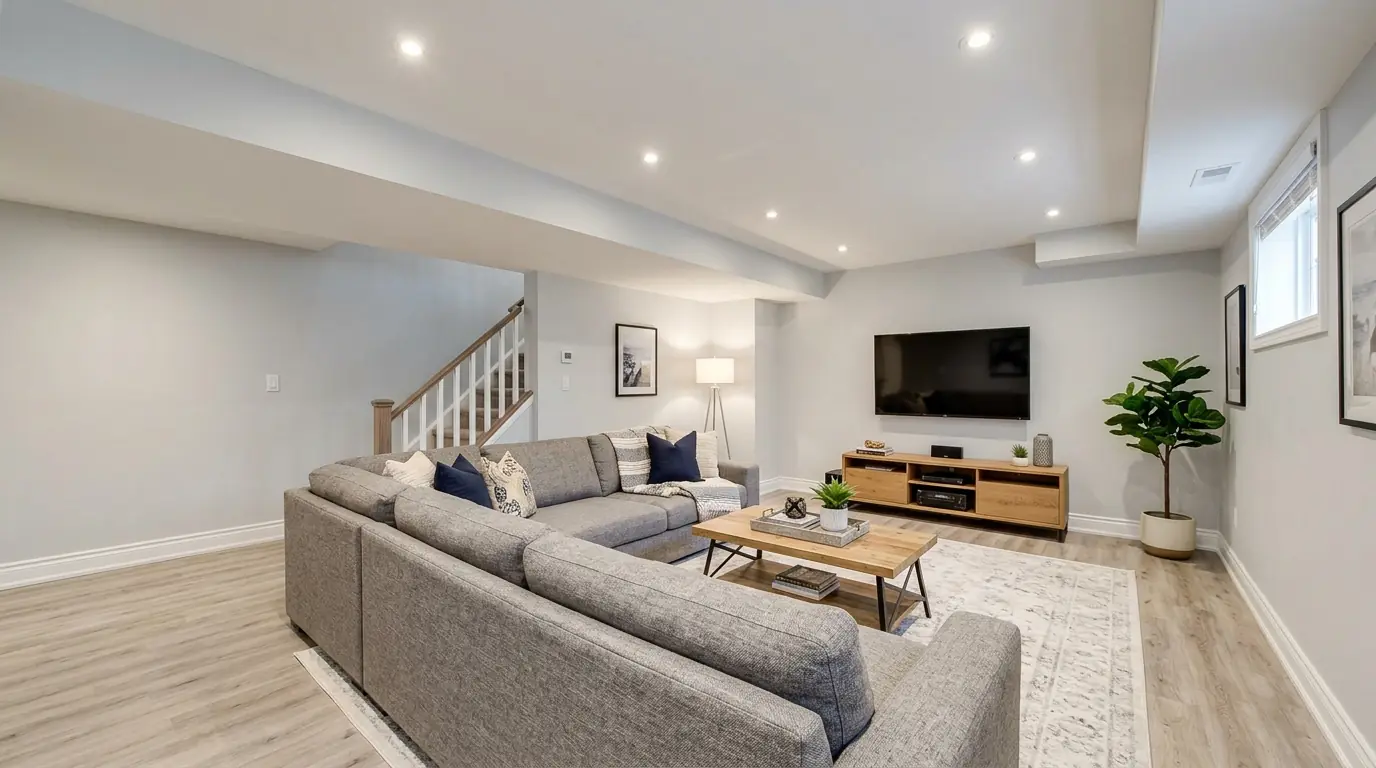
We paint basement walls and ceilings: concrete block and poured concrete with masonry waterproofing coatings, and finished drywall basements with low-VOC paints. We test walls for moisture first and clean any efflorescence. Most basements take two to four days. Typical cost runs $1.85 to $4.35 per square foot of wall. Call (470) 458-0461 for a free walkthrough.
Basement walls are below ground and often in contact with damp soil, so moisture moves through them in ways it doesn't upstairs. Regular latex wall paint on a concrete block wall will usually blister or peel within a year or two if moisture is coming through. Before choosing a coating, we tape a plastic sheet to the wall for a day or two and check for condensation underneath, and we look for efflorescence, the white mineral crust that shows water has been moving through the masonry.
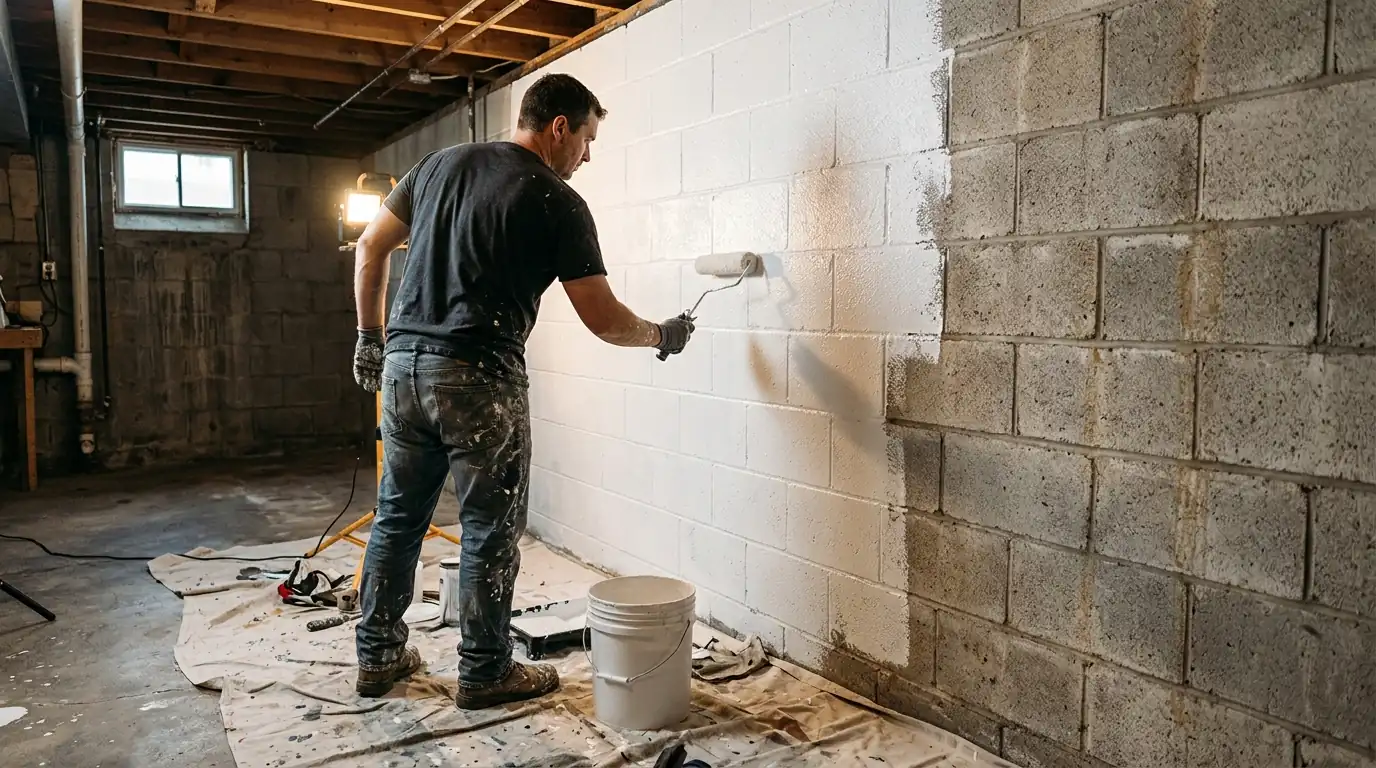
For unfinished block or poured concrete, we use masonry waterproofing paints that are designed to resist moisture pressure from behind. They go on thick, fill the pores of block, and dry to a bright, washable surface. It's important to be clear about what they do and don't do: waterproofing paint resists dampness and minor seepage, but it doesn't stop active leaks, cracks with running water, or flooding. Those need drainage or foundation work first.
Finished basements with drywall get treated more like regular rooms, with two differences: lower ventilation and higher humidity. We use low-VOC or zero-VOC paints so odor clears quickly, and mildew-resistant products in bathrooms and laundry areas. Many clients add basement ceiling painting or have open joists sprayed for an industrial look. Garage floors or basement slabs can be coated with epoxy floor coatings.
When to call
Signs your basement walls need attention
White crust on block walls
Efflorescence is mineral salt left behind as water moves through masonry and evaporates. It needs to be scrubbed off and the cause considered before any coating goes on.
Peeling or blistering paint
Paint that bubbles or flakes off concrete usually means moisture behind it. The loose paint needs removal and a breathable masonry coating instead.
Musty smell
A persistent musty odor suggests humidity and mildew. Cleaning, drying and coating the walls with a mildew-resistant product, plus a dehumidifier, helps a lot.
Dark, dingy walls
Unpainted block absorbs light. A bright white or light gray masonry coating makes storage and work areas far easier to use and keep clean.
Finishing the basement
Before framing and drywall go up, sealing block walls with a waterproofing coating reduces moisture behind the new walls.
Stained or mildewed drywall
Mildew spots or stains on finished basement walls point to humidity or a leak. Fix the moisture source, then clean, prime and repaint.
Scope of work
What our basement painting includes
- Moisture testing on block and concrete walls before choosing a coating
- Scrubbing efflorescence, dirt and loose paint from masonry surfaces
- Patching cracks and holes with hydraulic cement or masonry patch
- Masonry waterproofing paint applied thick to fill block pores
- Low-VOC or zero-VOC paints for finished basement walls and ceilings
- Mildew treatment and mildew-resistant coatings in damp areas
- Painting or spraying exposed joists, ductwork and pipes if wanted
- Ventilation and fans during work to help curing in enclosed spaces
How the job runs
How we paint a basement so the coating stays put
| Step | What happens |
|---|---|
| A1 | Test for moistureWe tape plastic squares to the walls and check them after 24 to 48 hours. Condensation under the plastic means moisture is coming through and the coating choice changes. |
| A2 | Clean and remove loose paintEfflorescence is scrubbed off with a masonry cleaner and stiff brushes. Loose paint is scraped and wire-brushed until only sound coating remains. |
| A3 | Patch and fillCracks and holes get masonry patch or hydraulic cement. Active leaks are noted and should be repaired by a waterproofing contractor before painting. |
| A4 | Apply the coatingMasonry waterproofing paint is brushed into block pores and back-rolled, then a second coat follows. Finished walls get primer and two coats of low-VOC paint. |
| A5 | Ventilate and cureWe run fans and ask you to run a dehumidifier during and after the job. Basements cure slowly, so we give you a timeline before moving items back. |
Atlanta conditions
Atlanta soil and climate in the basement
Red Georgia clay holds water and drains slowly, so basement walls around Atlanta often stay damp for days after summer storms. Homes on slopes, common in north Fulton and Cobb County, frequently have walk-out basements with one side fully buried. That buried wall gets the most moisture pressure and is where we see the most efflorescence. Gutter downspouts dumping near the foundation make it worse, and we'll point that out if we see it during the walkthrough.
Atlanta's humid summers add condensation to the problem. Warm, moist air hitting cool basement walls forms water droplets even without a leak, which can be mistaken for seepage. Our moisture test helps tell the two apart. Running a dehumidifier during and after painting speeds curing and helps keep mildew away. In finished basements, we recommend mildew-resistant paints and avoid painting on very humid days when coatings dry slowly.
Where we do this work most
Built pages for neighborhoods and cities we cover, with ZIP codes.
Typical costs
What basement painting costs in Atlanta
Basement painting is priced by wall area, with masonry coatings costing more than standard paint because of prep and material. Efflorescence removal and stripping failed paint add time. Finished basements are priced like other interior rooms. These ranges reflect typical Atlanta-area basements. See our painting price guide for other interior costs.
| Work | Typical range |
|---|---|
| Block or concrete walls with waterproofing paint, per sq ft | $1.85 to $4.35 |
| Finished basement walls, per sq ft of floor | $1.65 to $3.15 |
| Exposed joist ceiling spraying, per sq ft | $1.35 to $2.85 |
| Typical unfinished basement, about 1,000 sq ft | $2,365 to $5,140 |
Typical Atlanta ranges, not a quote. Your written estimate follows a free walkthrough. Compare other jobs on our painting price guide.
What moves the price
- Moisture and efflorescence present
- Removing failed old paint
- Block versus poured concrete
- Finished versus unfinished space
- Exposed ceiling spraying
Masonry coatings and paints for basements
For block and poured concrete, we use masonry waterproofing coatings such as Drylok Extreme or Sherwin-Williams Loxon masonry products, applied with masonry brushes and heavy-nap rollers to fill pores. Efflorescence is cleaned with masonry cleaner and stiff brushes. Cracks get hydraulic cement where needed. Finished basements get zero-VOC paints like Benjamin Moore Eco Spec or Sherwin-Williams Harmony, with mildew-resistant primers and paints in bathrooms and laundry areas. Exposed joists are sprayed with dryfall coatings that settle as dust instead of sticking to floors.
Paints, primers and stains our painters work with every week, from Sherwin-Williams and Benjamin Moore to PPG and Romabio.
Questions
Basement painting questions from Atlanta homeowners
Will waterproofing paint stop my basement from leaking?
No. Masonry waterproofing paint resists dampness and minor seepage through the pores of block and concrete, but it won't stop water coming through cracks, active leaks or flooding. Those need drainage, grading or foundation repair. Once the water problem is fixed, waterproofing paint helps keep walls drier and cleaner.
Can I use regular wall paint on concrete block?
On a dry, interior block wall above grade, yes, with a masonry primer. Below grade, regular latex often blisters and peels because moisture moves through the block. Masonry waterproofing paints are made to handle that pressure. We test the wall before deciding.
How long does it take a basement to dry after painting?
Masonry coatings can take 24 hours or more between coats in a cool, damp basement and several days to cure fully. Running a dehumidifier and fans speeds it up. We'll give you a timeline for moving items back against the walls, usually two to four days after the last coat.
Is the paint smell bad in an enclosed basement?
Masonry coatings and some primers do have a noticeable odor while drying. We ventilate with fans and open windows if there are any. In finished basements, we use zero-VOC paints that have very little odor. If anyone is sensitive, plan to avoid the basement for a day or two.
Can you paint over the white powder on my basement walls?
Not directly. The white powder, efflorescence, is mineral salt from moisture moving through the wall. Paint won't stick to it. We scrub it off with a masonry cleaner first, let the wall dry, and then apply a coating designed for masonry. If it comes back quickly, the moisture source needs attention.
Related work
Jobs that often go with this one
Garage Floor Epoxy
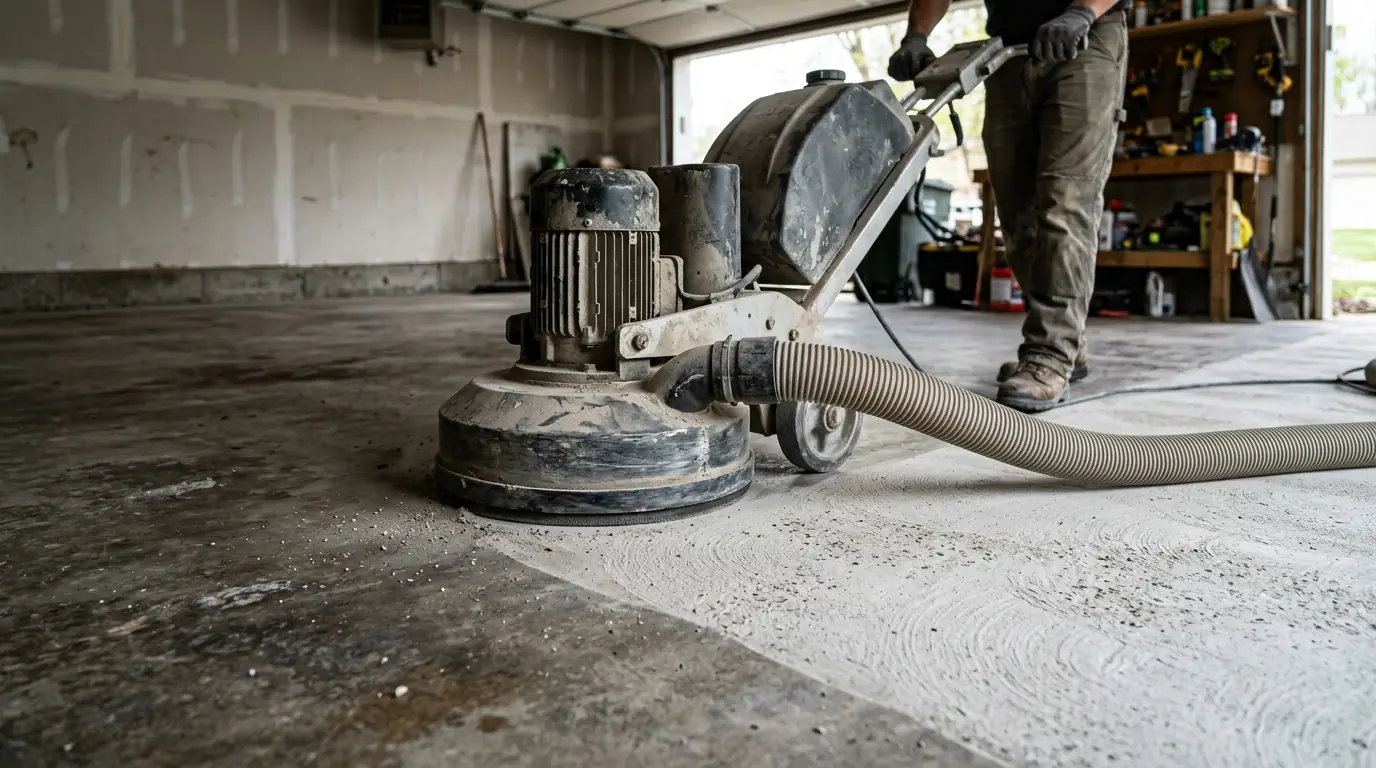
Garage floors ground, moisture tested and coated in two-part epoxy or polyaspartic with flake broadcast, built to resist hot-tire pickup.
Ceiling Painting
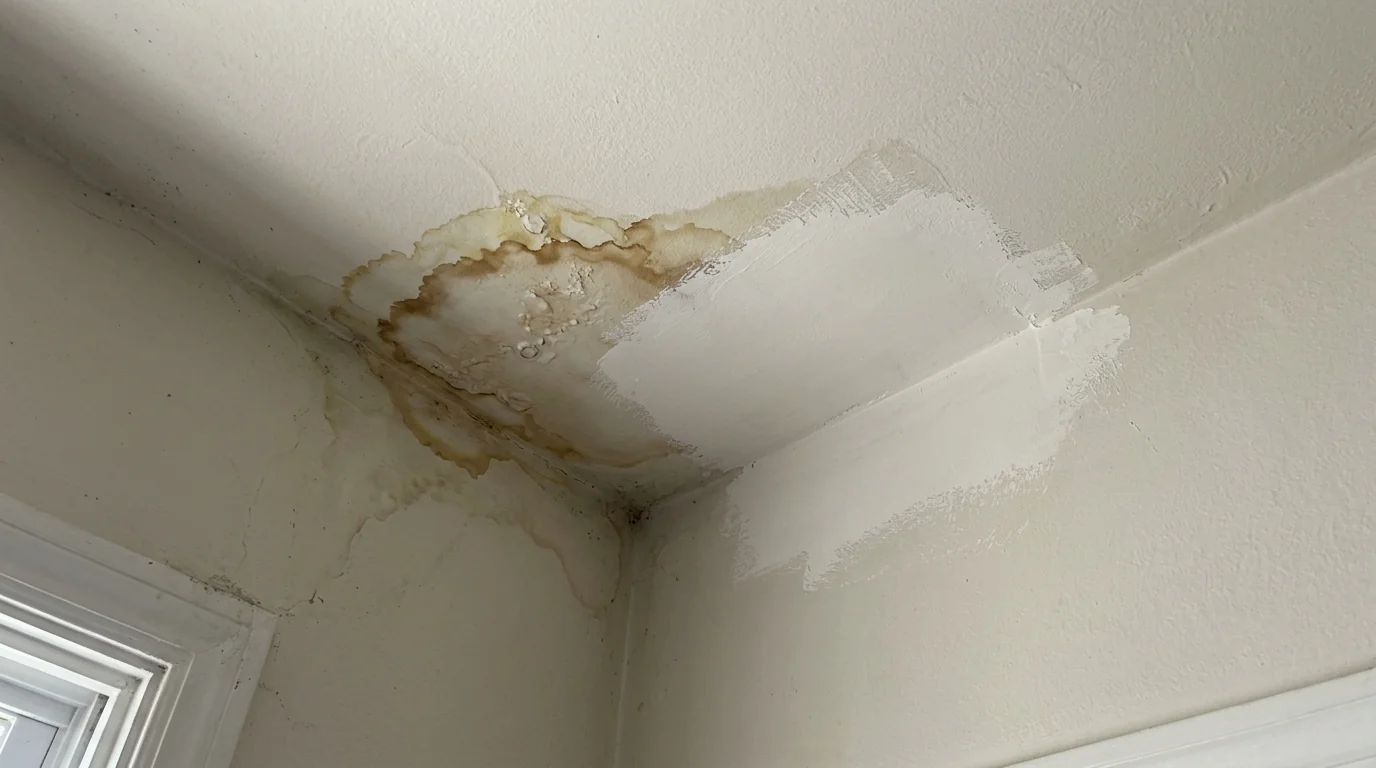
Flat ceiling paint rolled without lap marks, water stains sealed with stain-blocking primer, and tall or vaulted ceilings reached safely.
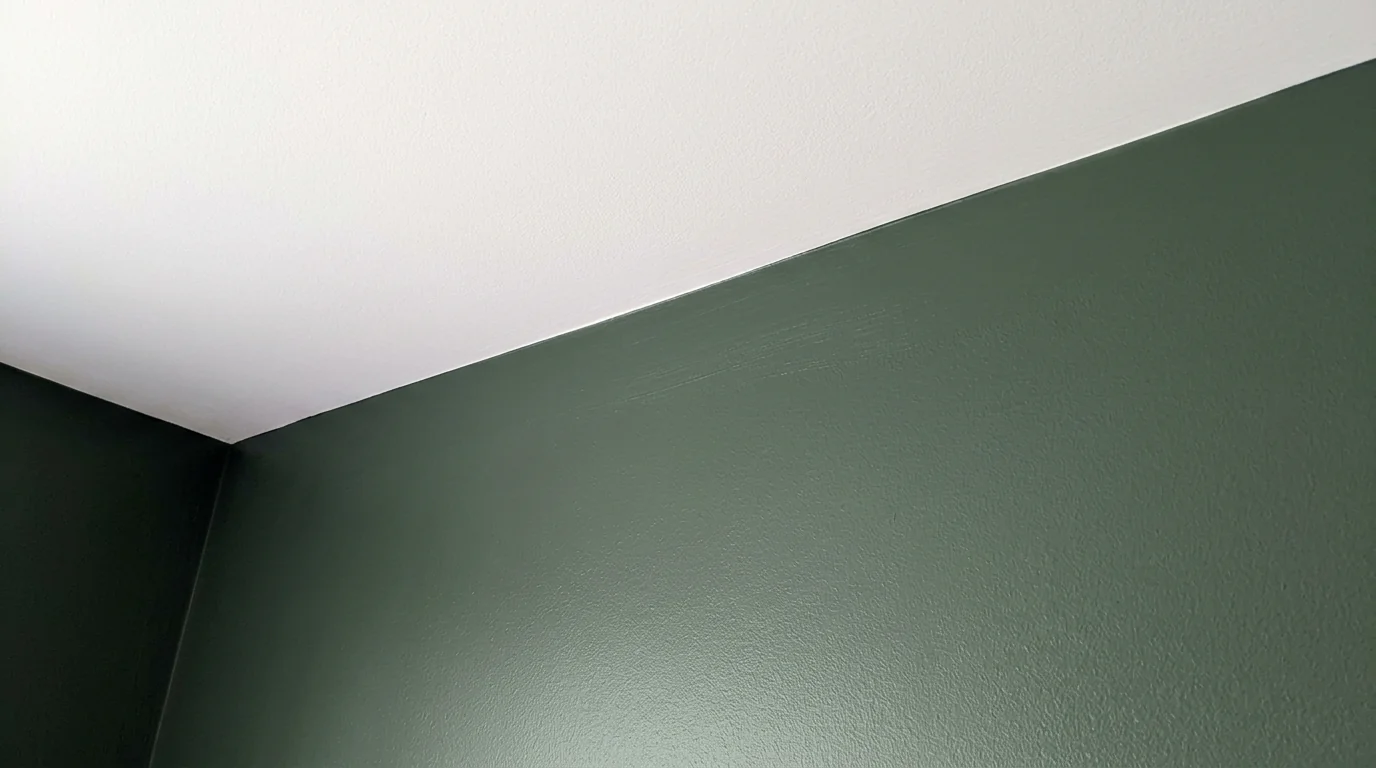
Interior House Painting
Walls painted room by room or across the whole house, with furniture moved, floors covered and two full coats rolled over clean cut lines.
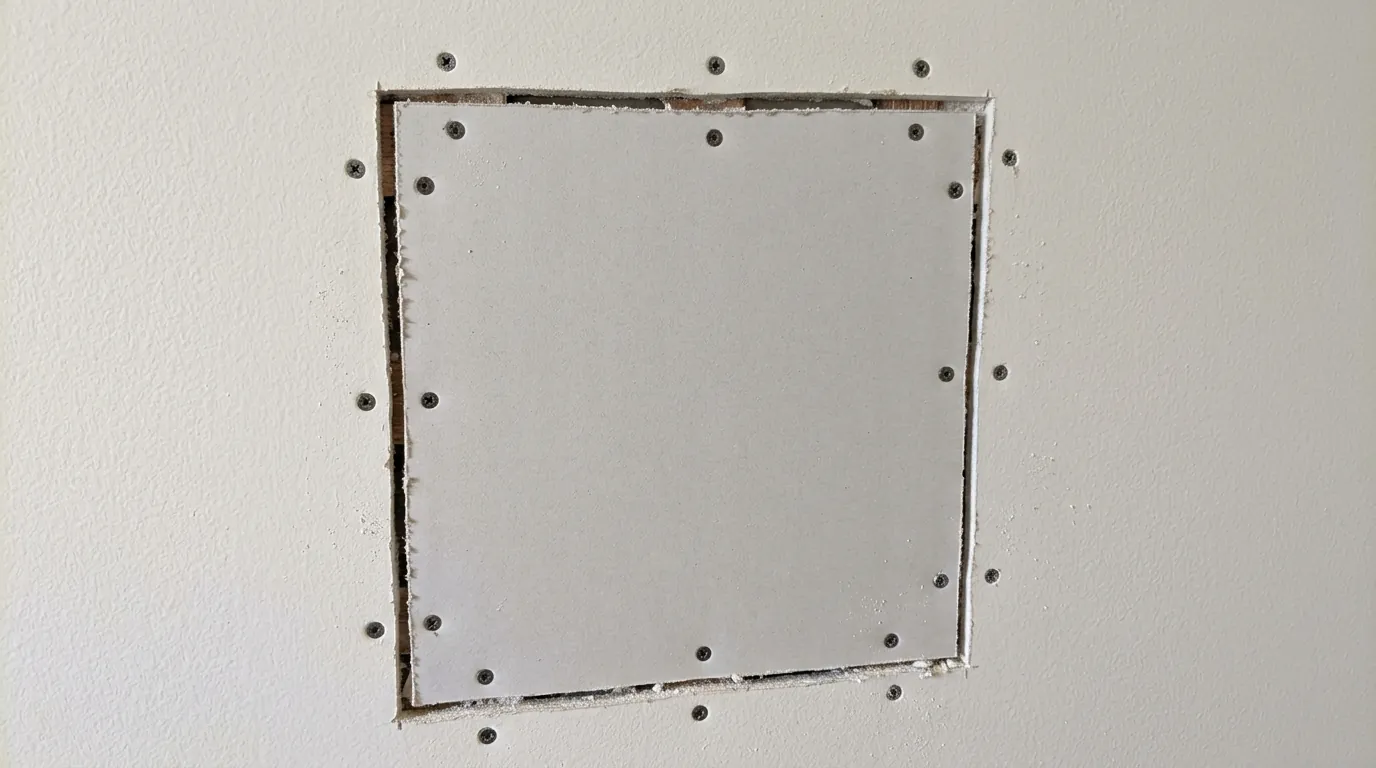
Drywall Repair & Patching
Holes, cracks, nail pops and water-damaged patches repaired, with texture matched to orange peel or knockdown so the fix disappears under paint.
Talk through your basement painting job
Call any time. We will ask a few questions, set a walkthrough time and put the scope and price in writing.