Interior painting in Atlanta
Wallpaper removal in Atlanta, down to paint-ready walls
Wallpaper looks simple to remove until it isn't. The top layer peels, the backing stays, the glue gets gummy, and suddenly there's torn brown paper showing on the drywall. We take it down without wrecking the walls underneath.
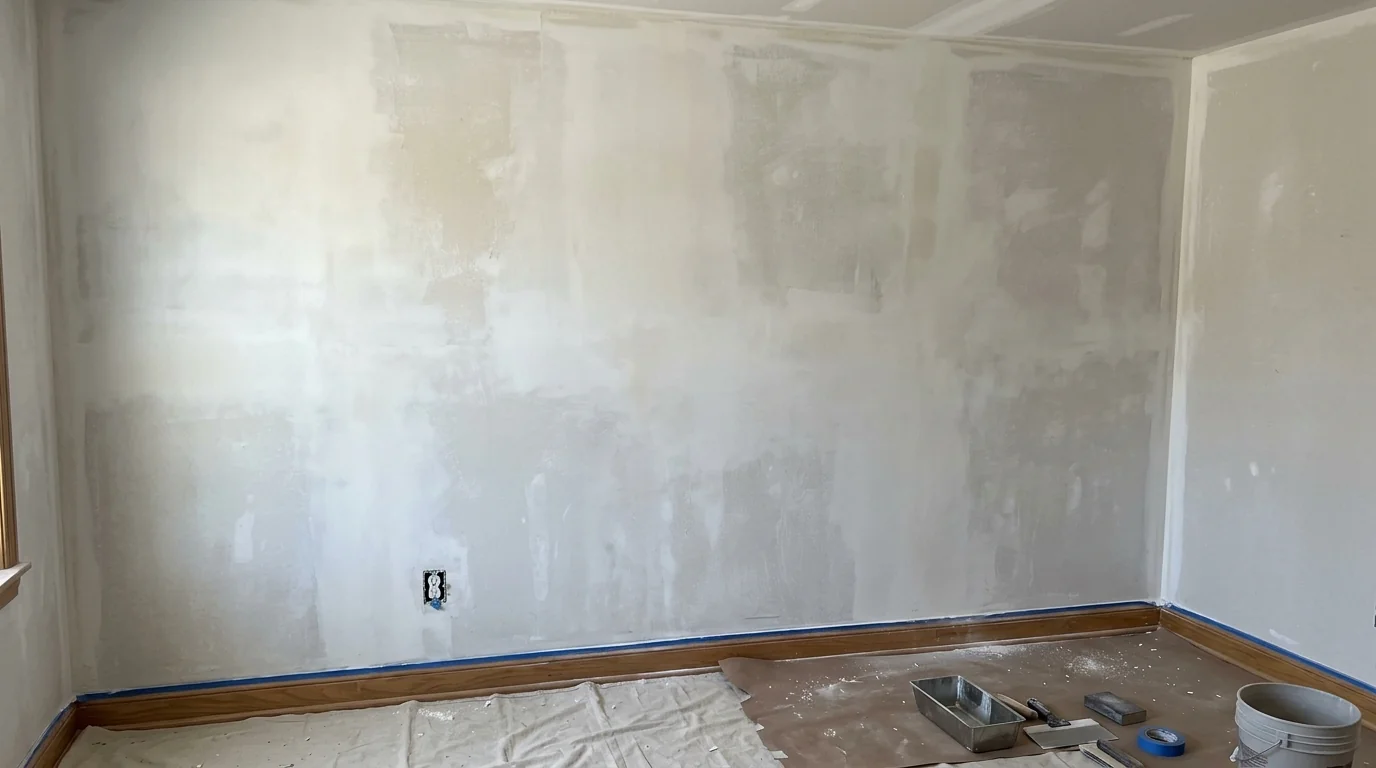
We remove wallpaper by peeling the face layer, soaking or steaming the backing, washing off all glue, then sealing any torn drywall paper and skim coating so the walls are ready to paint. A typical bathroom takes one to two days and a dining room two to three. Typical removal cost runs $1.35 to $3.65 per square foot of wall. Call (470) 458-0461.
How easy wallpaper comes off depends on two things: what kind of paper it is, and whether the wall was primed before it went up. Many walls in Atlanta homes from the 1970s through the 1990s were papered directly over bare drywall. When that paper comes off, it pulls the drywall's face paper with it, leaving fuzzy brown patches that bubble the moment wet paint touches them. That's the damage we plan around from the first day.
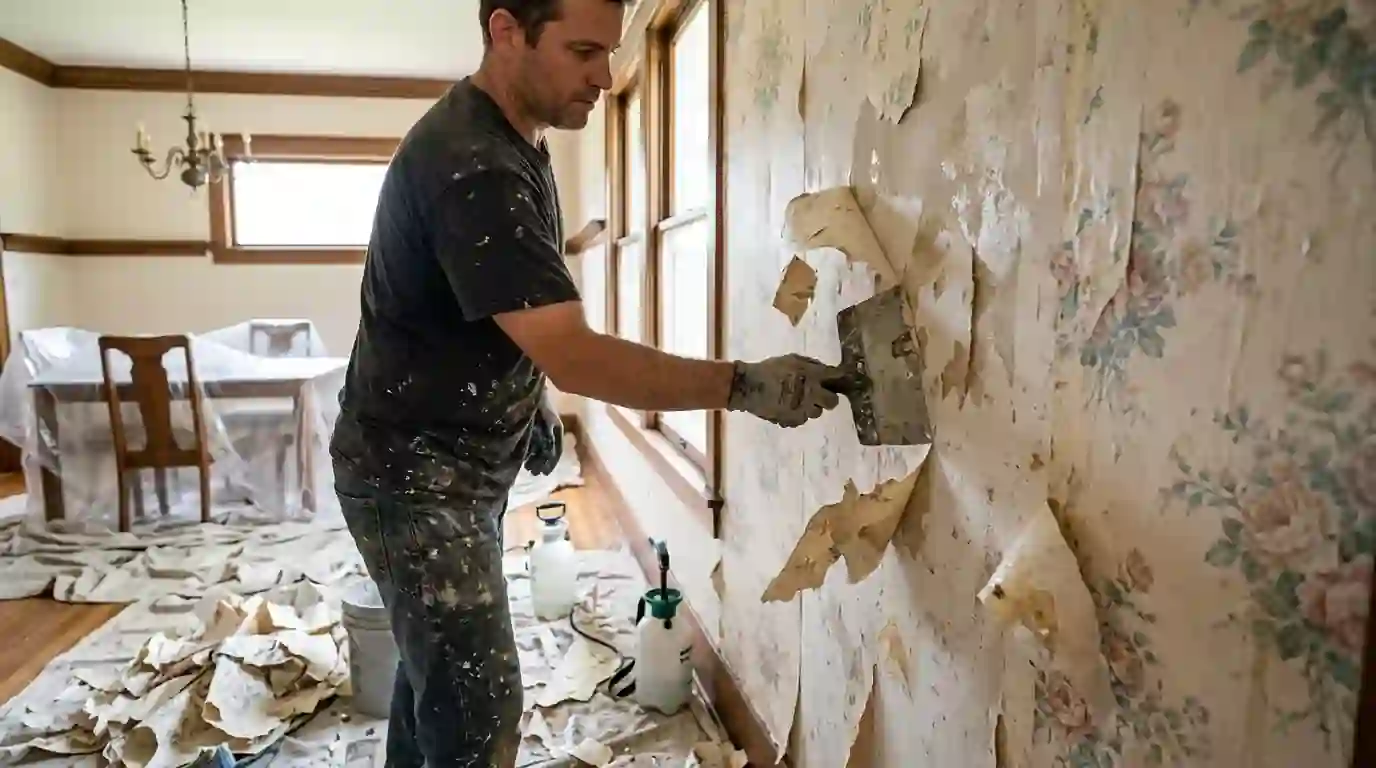
We start with a small test area. If the vinyl face layer peels off dry and leaves a paper backing, we strip the face first, then soak the backing with warm water and a wallpaper solvent. Stubborn paper or layers painted over get scored lightly and steamed. Once the paper is off, we wash the walls again until no glue residue is left, because even a thin film of paste will crack and peel any paint put over it.
The last stage is what most DIY jobs skip. Any torn drywall face gets sealed with a penetrating sealer like Gardz, then skim coated and sanded smooth. After that the walls get primer and paint like any other room. We include the paint in the quote if you like, or you can pair removal with a bold accent wall once the room is stripped.
When to call
Signs your wallpaper should come down
Seams lifting or curling
Humidity and age loosen the glue along seams first. Once edges curl, regluing rarely lasts, and the rest of the paper usually follows within a few seasons.
Bubbles in the middle of panels
Air pockets in the center of a panel mean the paste has let go. In bathrooms, they often hide moisture behind the paper that should be checked.
Mildew spots behind the paper
Dark specks showing through vinyl wallpaper in a bathroom or laundry room usually mean moisture trapped behind it. Removing the paper lets the wall dry and be cleaned properly.
Paper painted over
Painted wallpaper often shows seams, bubbles and torn edges through the paint. It also makes later removal harder, since water can't soak through the paint film.
Dated pattern before a sale
Heavy florals and borders can make a room feel older in listing photos. Taking the paper down and painting a neutral color is a common pre-sale project.
Borders at the ceiling line
Wallpaper borders from the 1990s often leave a glue band that shows through paint. Removing them properly means washing off the paste and sometimes skimming the strip.
Scope of work
What our wallpaper removal includes
- Protecting floors, outlets and trim with plastic and tape before any water is used
- Turning off power to wet-area circuits and covering outlets and switches
- Peeling dry-strippable face layers and scoring nonporous vinyl where needed
- Soaking or steaming paper backing and scraping it off with plastic and steel knives
- Washing walls until all paste residue is gone, then rinsing with clean water
- Sealing torn drywall face paper with a penetrating sealer such as Gardz
- Skim coating damaged areas and sanding until the wall is smooth
- Priming and painting the walls if paint is part of your project
How the job runs
How we remove wallpaper without wrecking the drywall
| Step | What happens |
|---|---|
| A1 | Test a cornerWe lift a corner in an inconspicuous spot to see what kind of paper it is, how many layers there are, and whether the wall was primed or sized before papering. |
| A2 | Protect and shut off powerFloors get plastic and absorbent pads, trim is taped, and we turn off power to outlets in wet areas. Water and electricity need careful handling in this job. |
| A3 | Strip the face layerPeelable vinyl comes off dry. Painted or nonporous paper is scored lightly with a perforating tool, taking care not to dig into the drywall below. |
| A4 | Soak or steam the backingWe apply warm water with a wallpaper solvent or use a steamer on tough spots, then scrape the softened backing off in sheets with wide putty knives. |
| A5 | Wash off all glueWalls get washed several times until they no longer feel slippery. We check by wetting a section and rubbing it; any slickness means paste is still there. |
| A6 | Seal, skim and sandTorn drywall face paper is sealed, then skim coated and sanded smooth. Once the wall is dry and dust-free, it's primed and ready for paint. |
Atlanta conditions
Atlanta homes and the wallpaper we find in them
Most of the wallpaper we remove around Atlanta went up between the late 1970s and the late 1990s, in powder rooms, dining rooms and kitchens of split-levels and early suburban homes in areas like Tucker and Lawrenceville. Those papers are often vinyl-coated with a paper backing, applied over unprimed drywall, which is exactly the combination that tears the wall face. Older intown homes may have several layers over plaster, which actually comes off cleaner since plaster doesn't have a paper face to tear.
Humidity changes the timing. In summer, paste stays soft and paper can come off more easily, but walls also take longer to dry after washing. We won't seal or skim a wall that still reads damp on the moisture meter, since trapped moisture under a skim coat leads to bubbles and mildew later. In bathrooms with poor ventilation, we also check behind the paper for mildew and treat it before sealing.
Where we do this work most
Built pages for neighborhoods and cities we cover, with ZIP codes.
Typical costs
What wallpaper removal costs in Atlanta
Removal is priced by wall area, then adjusted for what the paper is like and how much the wall underneath needs repair. Painted-over paper, multiple layers and torn drywall take the most time. The ranges here are typical for occupied Atlanta homes and include glue washing. Skim coating and painting are listed separately so you can see where the money goes. More on room budgets is in our Atlanta price guide.
| Work | Typical range |
|---|---|
| Removal and glue washing, per sq ft of wall | $1.35 to $3.65 |
| Small powder room or half bath | $385 to $865 |
| Dining room, about 12 by 14 feet with 9 foot walls | $745 to $1,690 |
| Sealing and skim coating damaged drywall, per sq ft | $1.15 to $2.85 |
Typical Atlanta ranges, not a quote. Your written estimate follows a free walkthrough. Compare other jobs on our painting price guide.
What moves the price
- Type of paper and number of layers
- Painted-over wallpaper
- Primed or unprimed drywall underneath
- Amount of torn face paper to seal and skim
- Wall height and tight spaces around fixtures
Tools, sealers and primers for wallpaper removal
For stripping, we use a perforating tool lightly on vinyl, warm water with an enzyme wallpaper solvent such as DIF, and a wallpaper steamer for painted or stubborn layers. Wide plastic and steel putty knives lift the backing. Torn drywall paper gets sealed with Zinsser Gardz, a thin penetrating sealer that hardens the fibers so they don't bubble under joint compound or paint. Skim coats use a lightweight joint compound applied with a wide knife and sanded with a pole sander. Walls then get a full coat of drywall primer before finish paint.
Paints, primers and stains our painters work with every week, from Sherwin-Williams and Benjamin Moore to PPG and Romabio.
Questions
Wallpaper removal questions from Atlanta homeowners
Can you paint over wallpaper instead of removing it?
It's possible over paper that's firmly attached, using an oil-based or shellac primer, but we rarely recommend it. Seams usually show through, and water-based paint can loosen the paste and cause bubbles. It also makes future removal much harder. If the paper is already peeling at seams, painting over it just hides a problem for a while.
Why is brown paper showing after the wallpaper came off?
That's the drywall's own face paper. When wallpaper is hung on drywall that was never primed, the paste bonds to the face paper and tears it off during removal. It must be sealed with a product like Gardz before skim coating or paint, or it will bubble and peel as soon as moisture touches it.
How do I know all the wallpaper glue is gone?
Wet a section of wall with a damp sponge and rub it with your fingers. If it feels slippery or soapy, paste is still there. Dried glue also looks shiny when light hits the wall at an angle. We wash until the wall feels squeaky and dull, because any leftover paste will crack the new paint.
Is removing wallpaper in a bathroom different?
Usually harder. Bathrooms often have vinyl paper meant to resist moisture, which also resists solvent. They're small and full of fixtures, so it's slow work around toilets, vanities and mirrors. We also check behind the paper for mildew or soft drywall from steam and treat or repair it before the walls get primed.
Does old wallpaper paste contain anything hazardous?
Wallpaper paste itself is usually starch or cellulose based and not a concern. The bigger question in older homes is the paint layers underneath or over the paper. In houses built before 1978, we test for lead before scraping or sanding and use lead-safe methods when needed, which are covered on our lead-safe painting page.
Related work
Jobs that often go with this one
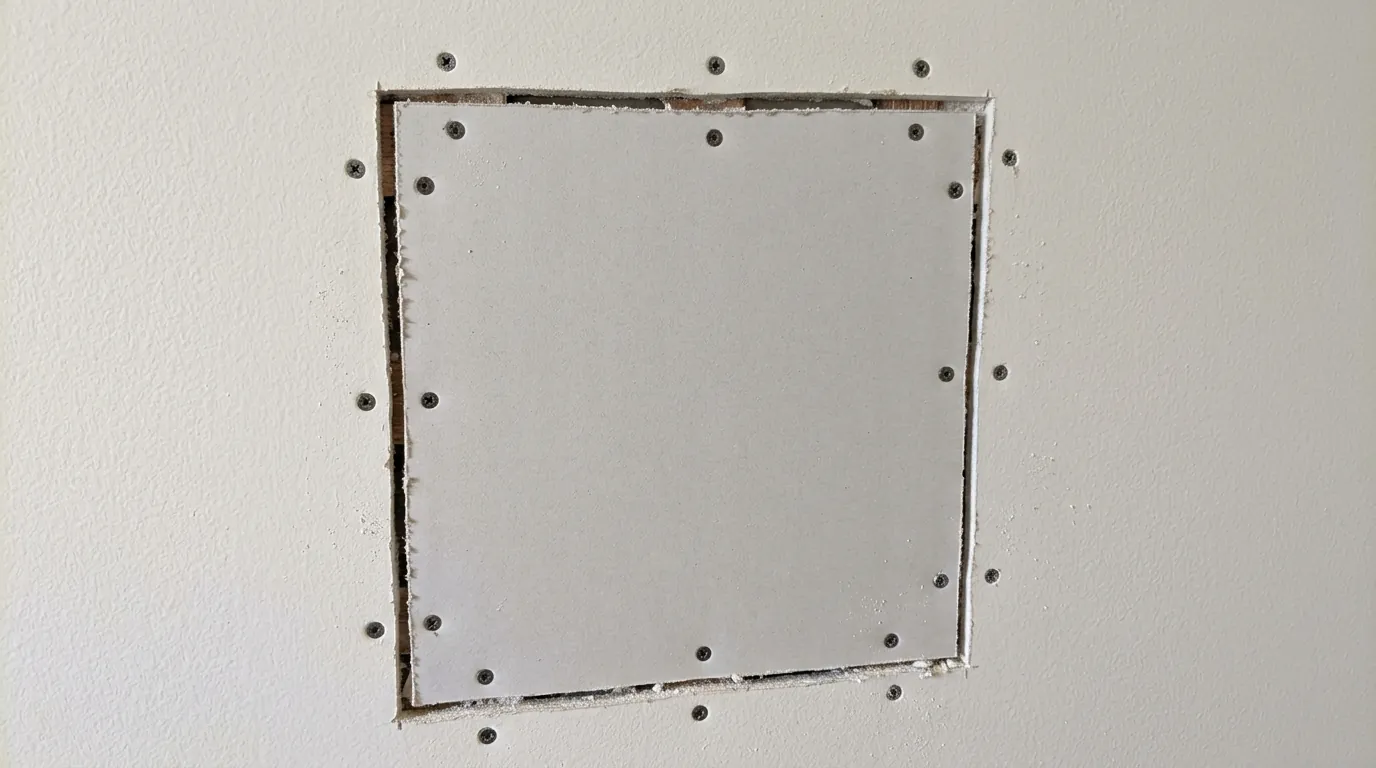
Drywall Repair & Patching
Holes, cracks, nail pops and water-damaged patches repaired, with texture matched to orange peel or knockdown so the fix disappears under paint.
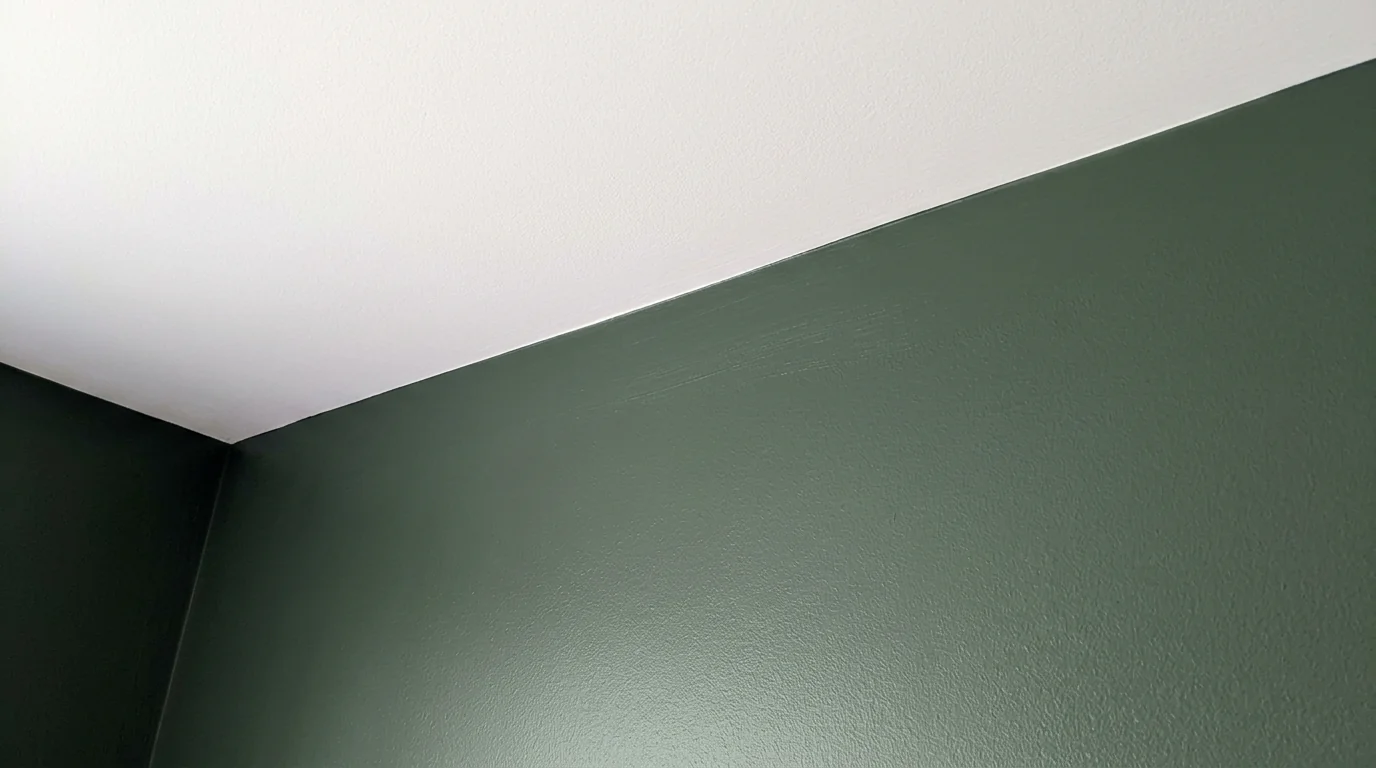
Interior House Painting
Walls painted room by room or across the whole house, with furniture moved, floors covered and two full coats rolled over clean cut lines.
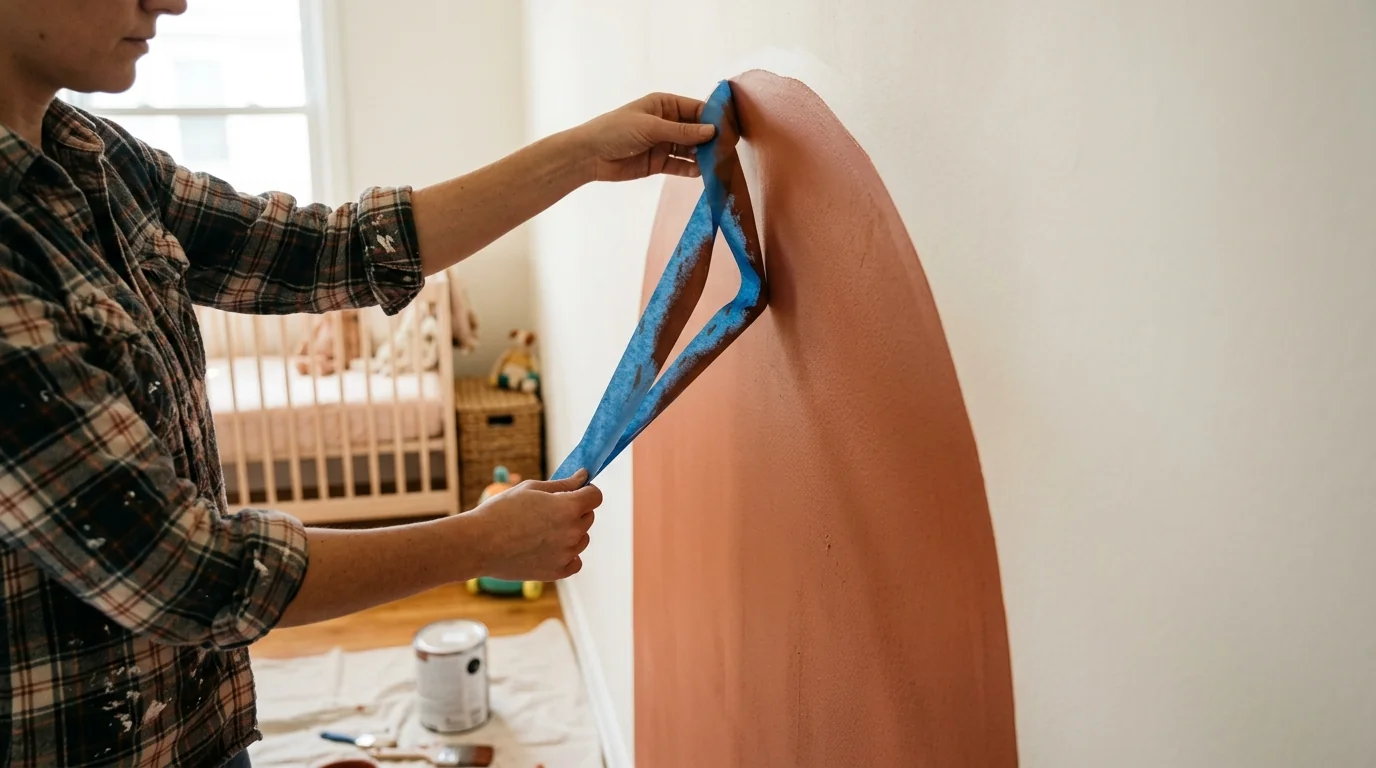
Accent Wall Painting
Single feature walls, color blocking and painted stripes or geometric designs, with tinted primer under deep colors and razor-sharp tape lines.
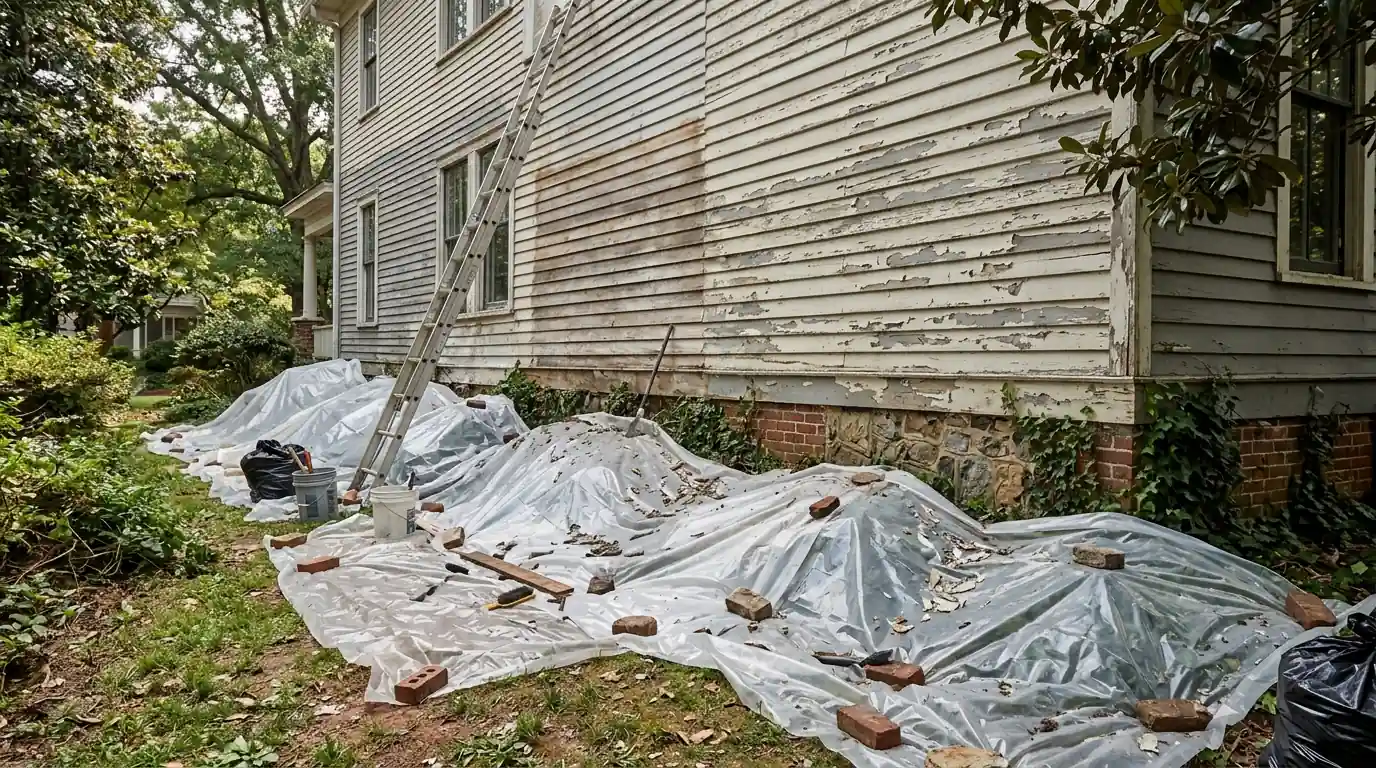
Lead-Safe Painting
Painting on homes built before 1978 using EPA lead-safe work practices: containment, wet methods, HEPA cleanup and cleaning verification.
Talk through your wallpaper removal job
Call any time. We will ask a few questions, set a walkthrough time and put the scope and price in writing.