Specialty finishes in Atlanta
Historic home painting in Atlanta for Victorians, bungalows and Tudors
Your house is a century old, with original siding, wavy glass windows and a dozen paint layers, some of them peeling. It deserves more care than a fast spray job, and the wrong approach can damage wood that can't be replaced.
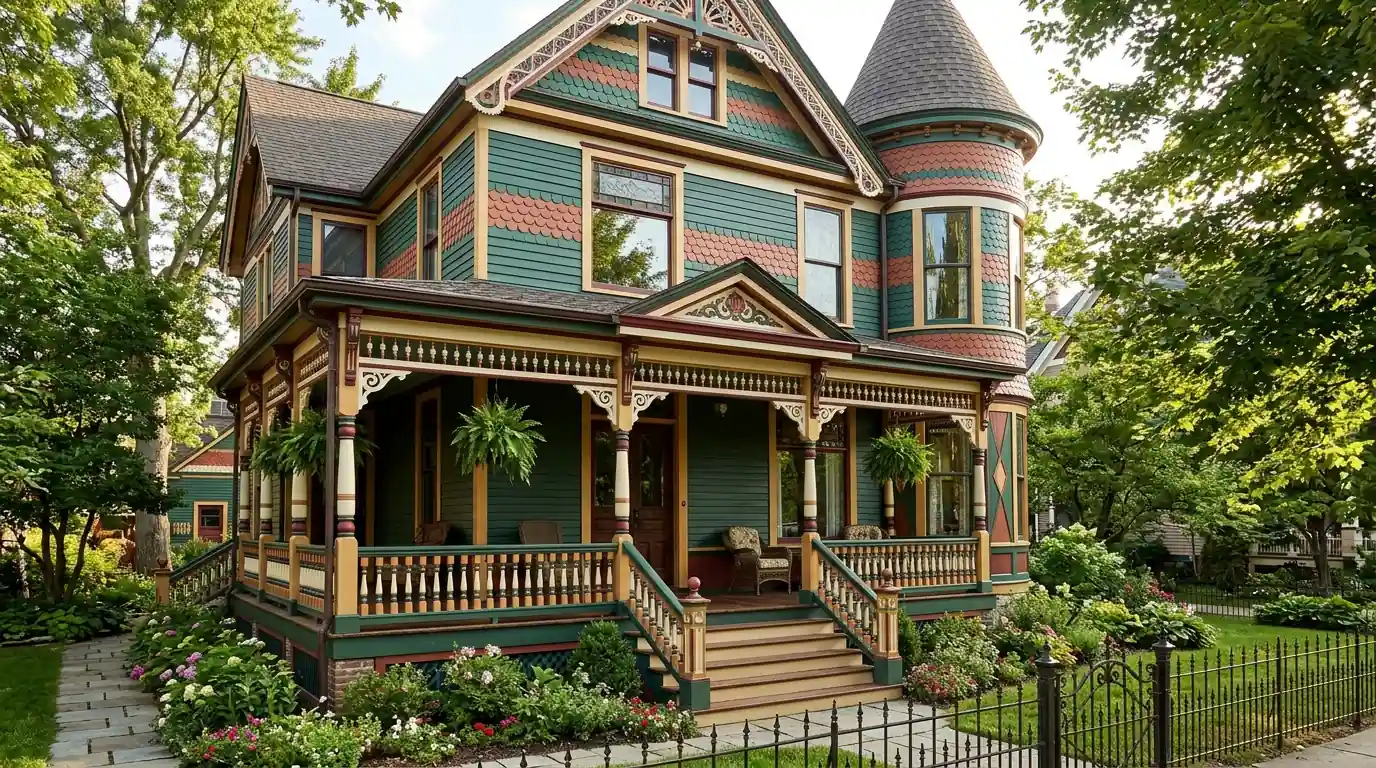
We paint historic Atlanta homes from the 1900s through the 1930s with careful hand prep, wood repair over replacement, lead-safe methods, and period-appropriate colors. A full exterior on a historic bungalow usually takes two to four weeks. Typical cost runs $8,970 to $24,650 depending on size, condition and detail. Call (470) 458-0461 to have us look at the house.
Older homes in Atlanta were built with materials we can't buy anymore: old-growth heart pine and cypress siding that's denser and more rot-resistant than modern lumber, hand-cut trim profiles and original wood windows. Those surfaces have also collected decades of paint, often starting with oil and lead-based layers and ending with modern latex. Every layer that loses its grip pulls the ones above it off, which is why historic exteriors often peel in large sheets.
Our approach puts preservation first. We scrape and sand by hand and with low-speed tools, keep original wood wherever it can be saved, consolidate and fill small rot with epoxy, and replace only what's too far gone, matching the profile. We follow lead-safe practices on every home of this age. Primer choice matters: an oil-based or bonding primer over old oil paint prevents the alligatoring and peeling that latex alone often causes on these surfaces.
Color is the fun part. Victorians welcomed three to five colors. Craftsman bungalows leaned to earthy greens, browns and ochres. Tudors kept dark trim over light stucco. We'll help you choose a palette that fits the era without feeling like a museum. Painted body, trim and sash in three related tones usually reads right on most of these houses, and we'll show it on large boards first.
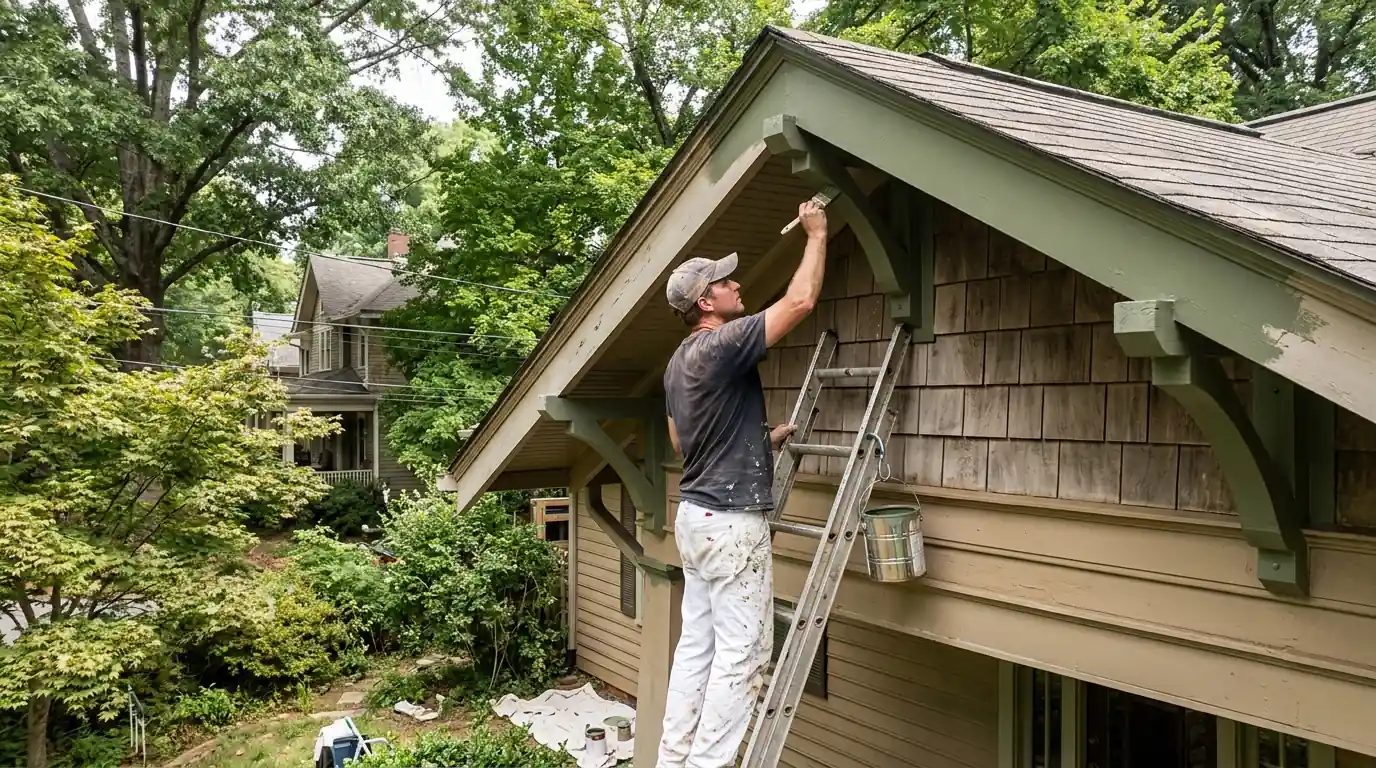
When to call
Signs your historic home needs careful repainting
Alligatored paint
Paint cracked into a pattern like reptile skin is the classic sign of many old layers fighting each other. It won't hold new paint and needs to come down.
Sheets of peeling paint
When paint comes off in large sheets down to bare wood, the oldest layers have lost adhesion. More paint on top adds weight and makes it worse.
Gray, open wood grain
Bare wood that has gone gray and checked needs careful sanding and an oil primer that soaks in. Old-growth wood can recover well if caught in time.
Sticking or rotting windows
Original wood windows that won't open, or sills that are soft, usually have paint buildup and water damage. Both can be fixed without replacing the window.
Failing caulk and glazing
Cracked caulk at trim joints and dried window glazing let water behind the paint, starting rot that spreads under coats that still look fine.
Colors that don't suit the era
A later repaint in a stark modern palette can make a 1920s bungalow look out of place on its street. Period colors bring its character back.
Scope of work
What we include on a historic home repaint
- A close inspection of siding, trim, windows, porch and brackets with photos of problem areas
- Lead-safe containment, wet scraping and HEPA cleanup throughout prep
- Hand scraping and feather sanding to sound paint without gouging old wood
- Epoxy consolidation and fills for small rot; profile-matched wood replacement where needed
- Reglazing loose window panes and freeing painted-shut sashes where practical
- Oil or bonding primer on bare wood and over old oil layers
- Two finish coats in a period palette across body, trim and accent details
- Help with historic district review paperwork when exterior color changes need approval
How the job runs
How we paint a century-old Atlanta house
| Step | What happens |
|---|---|
| A1 | Inspect and documentWe walk the house with you, test for lead, probe for rot and photograph every problem area. You get a clear scope covering what will be repaired, replaced or left as is. |
| A2 | Check district rulesIf your home is in a historic district, we check whether exterior changes or colors need review, and help you prepare color names and samples before work starts. |
| A3 | Contain and prepWe lay ground plastic, wet scrape loose paint, and sand edges by hand or with HEPA-shrouded tools. We stop at sound, firmly adhered layers rather than stripping everything. |
| A4 | Repair the woodSmall rot gets consolidant and epoxy. Larger pieces are replaced with new wood milled or chosen to match the original profile, then back-primed before installation. |
| A5 | Prime and caulkBare wood and old oil surfaces get an oil-based or bonding primer. Joints are caulked after priming, and windows are reglazed where glazing has failed. |
| A6 | Finish in period colorsTwo coats of exterior acrylic go on by brush and roller, body first, then trim, then accents. Brackets, spindles and shingles are brushed so detail stays crisp. |
Atlanta conditions
Painting historic homes in Atlanta neighborhoods
Atlanta's early 1900s homes cluster intown: Victorian cottages and Queen Annes in Inman Park and West End, craftsman bungalows across Kirkwood, Candler Park and Virginia-Highland, and Tudor revivals scattered through Druid Hills and around Decatur. Several of these areas are local historic districts where exterior changes, including some paint color decisions, go through review. Rules differ by district and change over time, so we check the current requirements for your street before you commit to a palette.
Climate shapes the work too. These homes sit under some of the oldest tree canopy in the city, so north walls stay damp and grow mildew, and gutters overflow with leaves onto fascia and brackets. Humidity also slows dry times on oil primers, so we plan longer gaps before topcoats. Carpenter bees love old exposed rafter tails on bungalows, and we fill their galleries during rot repair before priming, then seal the wood.
Where we do this work most
Built pages for neighborhoods and cities we cover, with ZIP codes.
Typical costs
What historic home painting costs in Atlanta
Historic exteriors cost more than modern homes of the same size because prep takes longer: hand scraping, lead-safe setup, wood repair and detail brushing. A modest bungalow with sound siding costs far less than a two-story Victorian with spindles and brackets. Treat these as typical 2026 Atlanta figures rather than quotes; your walkthrough sets the real number.
| Work | Typical range |
|---|---|
| Craftsman bungalow exterior, about 1,450 to 1,950 sq ft | $8,970 to $15,340 |
| Two-story Victorian or Queen Anne exterior | $14,860 to $24,650 |
| Tudor trim and half-timbering only | $3,240 to $7,190 |
| Original wood window prep and reglaze | $165 to $345 per window |
| Epoxy and profile-matched wood repairs | $45 to $115 per hour of carpentry |
Typical Atlanta ranges, not a quote. Your written estimate follows a free walkthrough. Compare other jobs on our painting price guide.
What moves the price
- Size and number of stories
- Number of paint layers failing
- Wood repair and replacement
- Detail: brackets, spindles, shingles
- Lead-safe setup and cleanup
- Number of colors in the scheme
Primers, paints and tools for older homes
On old oil layers and bare heart pine we prime with an exterior oil primer such as Sherwin-Williams Exterior Oil-Based Wood Primer or Zinsser Cover Stain, which soaks into dry wood and bonds to old paint. Topcoats are flexible exterior acrylics like Benjamin Moore Aura or Sherwin-Williams Duration that move with wood through humid summers. For epoxy repairs we use a two-part consolidant and filler. We prep with carbide scrapers, HEPA-shrouded sanders and hand sanding blocks, and brush trim with fine Purdy brushes so detail stays sharp.
Paints, primers and stains our painters work with every week, from Sherwin-Williams and Benjamin Moore to PPG and Romabio.
Questions
Historic home painting questions from Atlanta homeowners
Do you strip historic houses to bare wood?
Only where paint has failed down to the wood. Stripping a whole house is expensive, disturbs far more lead paint, and can damage soft old wood. Our goal is to remove everything loose, feather the edges, and leave sound, firmly attached layers in place under a good primer. If the paint is alligatored across a whole wall, more aggressive removal on that wall may make sense.
Do I need approval to repaint a house in a historic district?
It depends on the district. Some intown Atlanta districts review exterior changes, which can include material and sometimes color choices, while others are more relaxed about paint. Repainting in the same colors is often treated differently from a color change. We'll help you check the rules for your address and prepare color information, but approval itself comes from the district or city.
What colors fit a 1920s craftsman bungalow?
Bungalows were usually painted in nature-inspired colors: sage and olive greens, warm browns, ochres, brick reds and creams. Trim was often a contrasting earthy tone rather than bright white, and window sashes were frequently darker still. Many homeowners today like a softened version of that palette. We'll show you combinations on large sample boards against your brick, stone or shingle.
Can my original wood windows be saved?
Usually, yes. Old-growth wood windows were built to be repaired. We can free painted-shut sashes, scrape and prime frames, replace failed glazing putty, and repair rotted sills with epoxy or new wood. Restoration takes more time than painting a modern window, but well-maintained old windows can outlast many replacements. Badly rotted sashes may need a window restoration shop.
Why do historic homes need oil primer instead of latex?
Many older homes have oil-based paint under the newer layers, and latex painted directly over oil often fails to bond, cracking and peeling within a few years. An oil or bonding primer grips the old layers and gives the new acrylic topcoat a sound base. On bare, dry heart pine, oil primer also soaks in and helps stabilize the wood surface.
Related work
Jobs that often go with this one
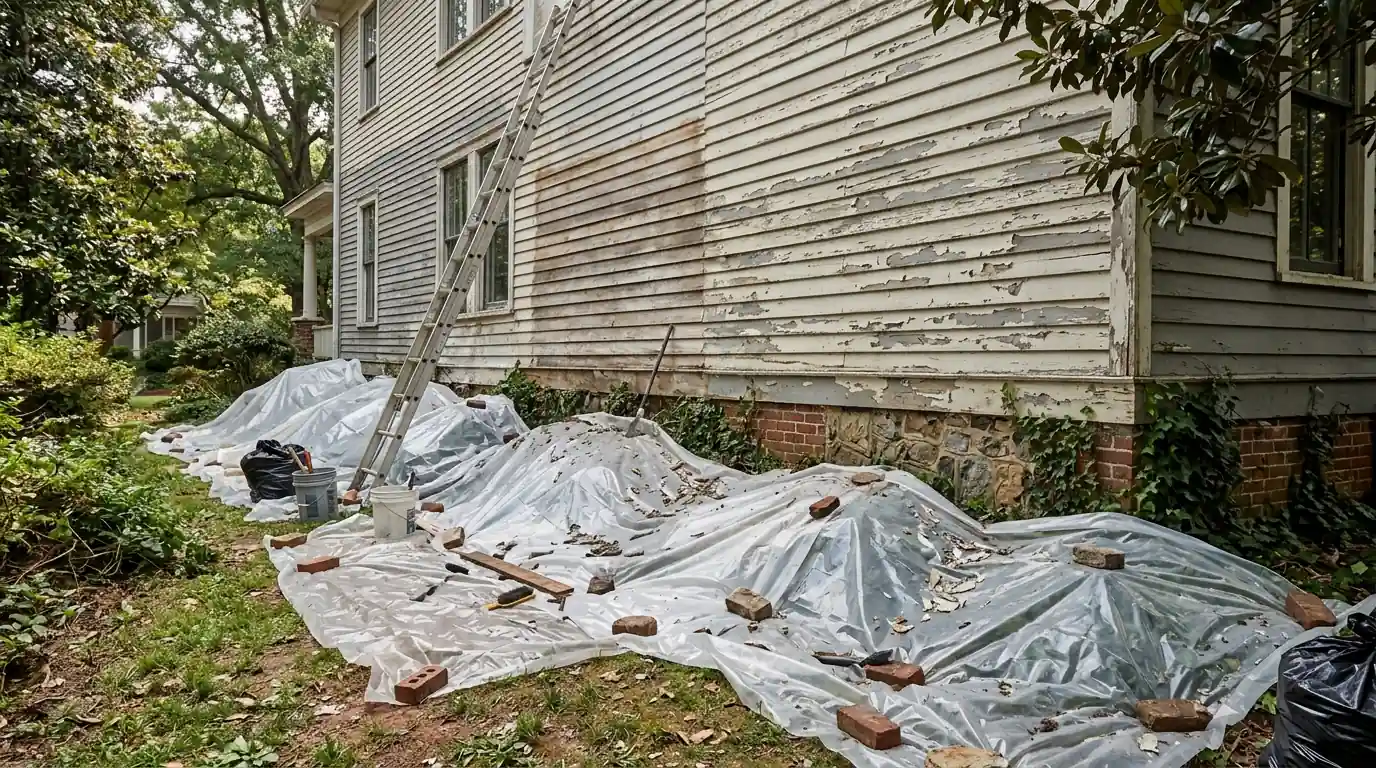
Lead-Safe Painting
Painting on homes built before 1978 using EPA lead-safe work practices: containment, wet methods, HEPA cleanup and cleaning verification.
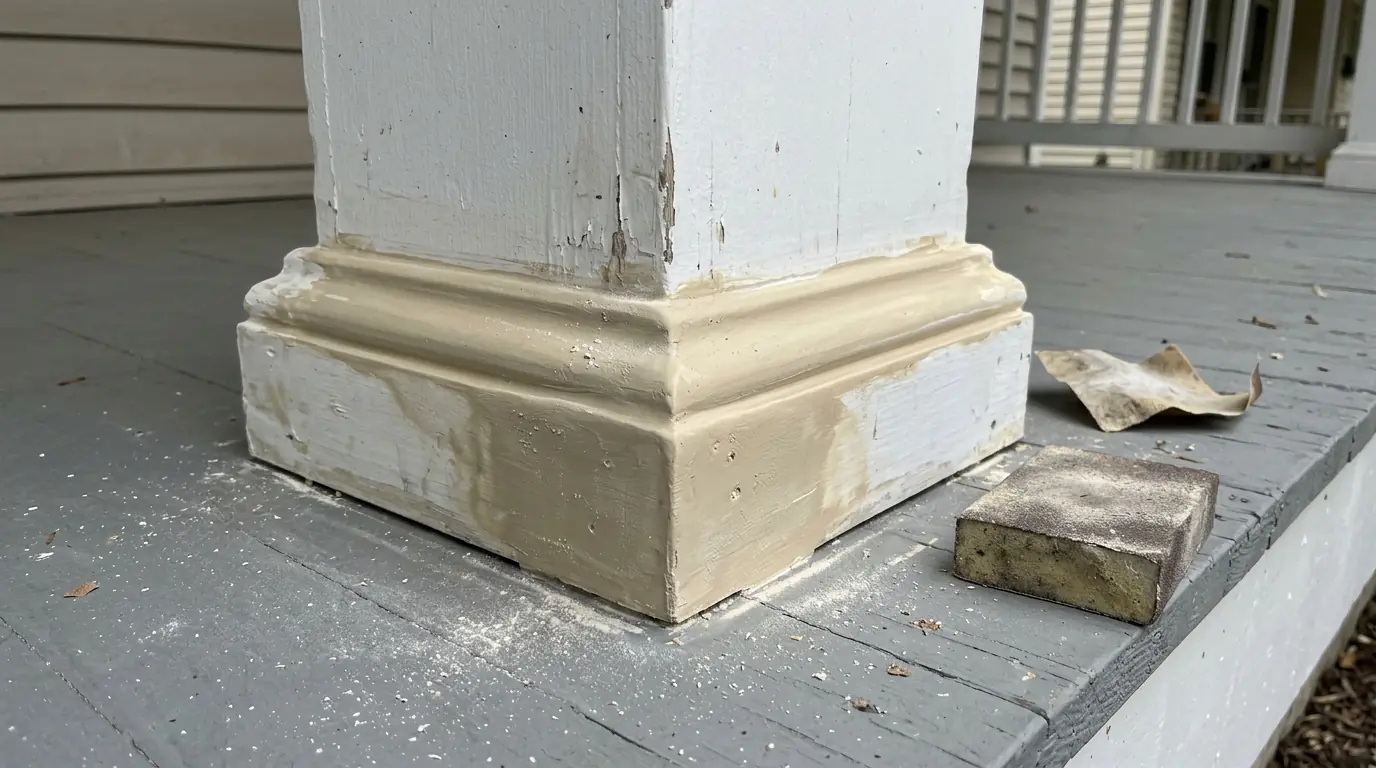
Wood Rot Repair
Rotted trim, sills, fascia, door jambs and column bases repaired with epoxy or replaced with PVC or primed wood, then painted to match.
Exterior House Painting
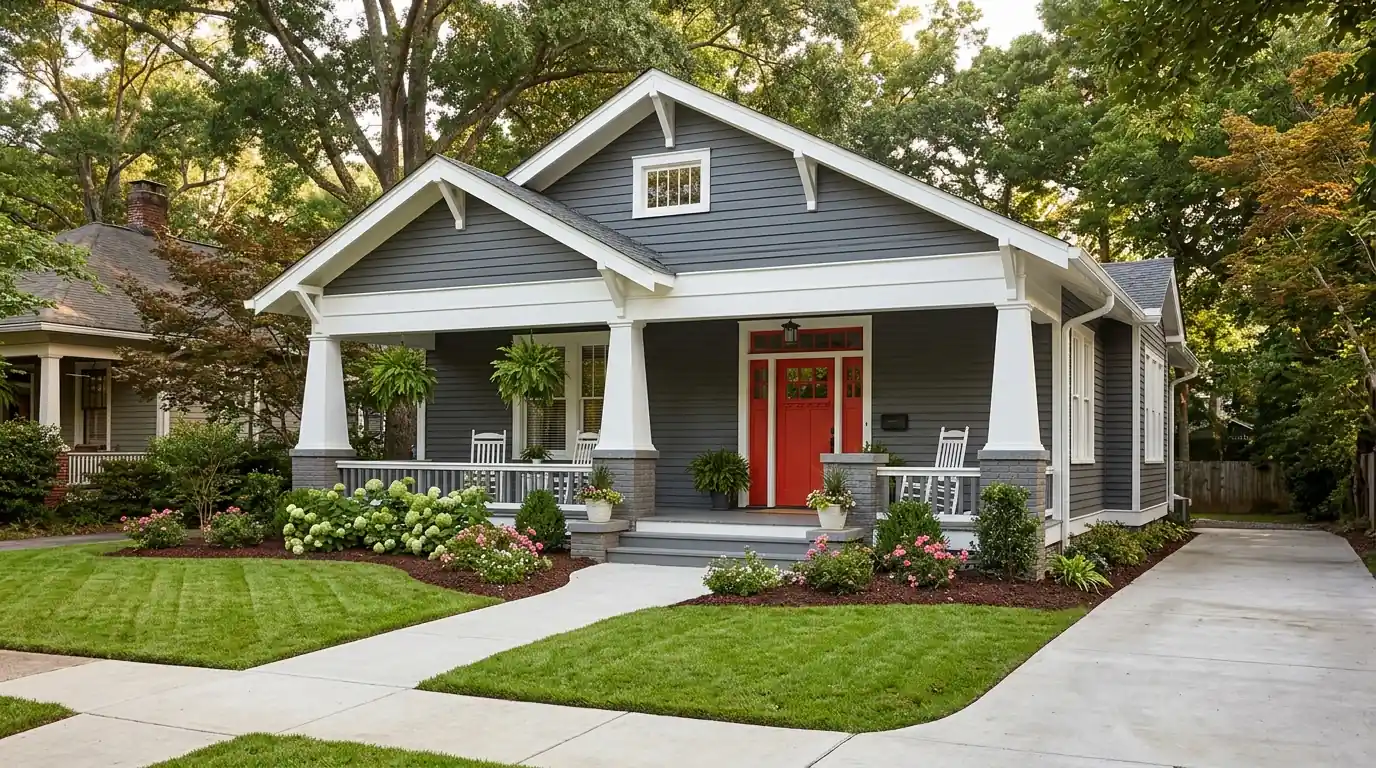
Full exterior repaints on wood, fiber cement and mixed-material Atlanta homes: wash, scrape, sand, caulk, spot prime and two finish coats.
Color Consultation
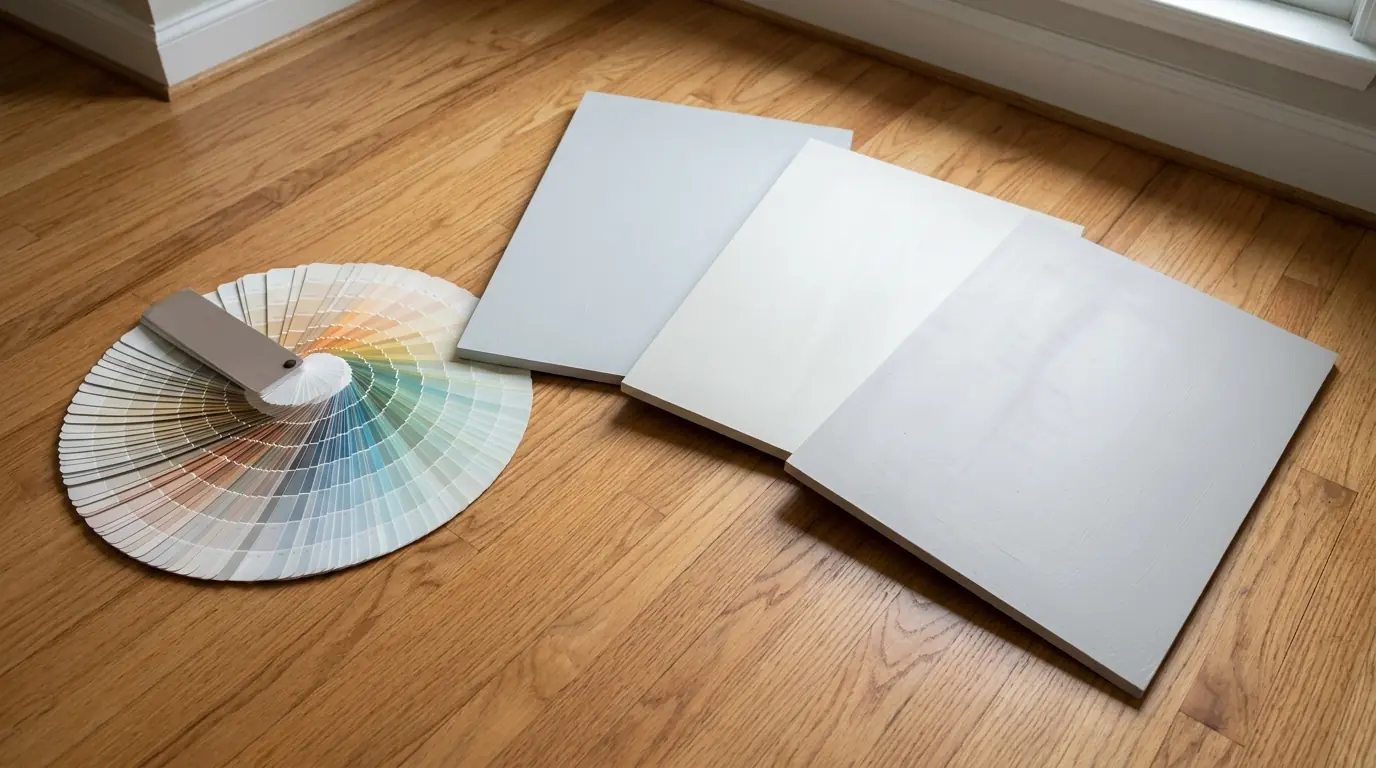
Interior and exterior color selection with large sample boards, undertone and LRV checks, and whole-house palettes that work with your fixed finishes.
Talk through your historic home painting job
Call any time. We will ask a few questions, set a walkthrough time and put the scope and price in writing.