Interior painting in Atlanta
Drywall repair and patching in Atlanta, ready for paint
A doorknob hole, a crack over a doorway, a row of nail pops, or a stain where a pipe leaked. Small drywall damage is easy to fix badly and hard to fix invisibly. We patch it so you can't find it after the paint dries.
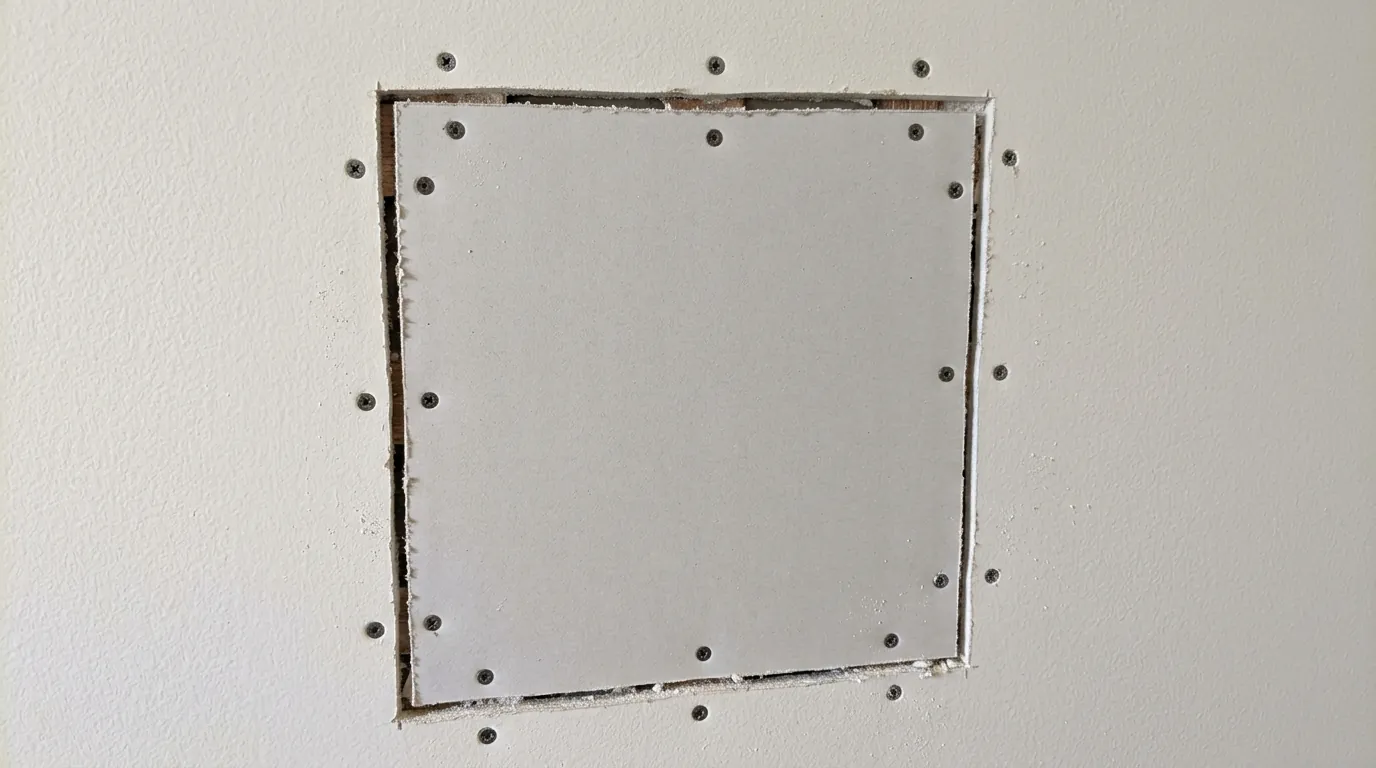
We repair drywall holes, cracks, nail pops, corner bead damage and water-damaged sections, then match the surrounding texture and prime so the patch disappears under paint. Most small repairs are done in one to two visits because compound needs drying time between coats. Typical cost runs $165 to $465 for a small patch and more for larger sections. Call (470) 458-0461.
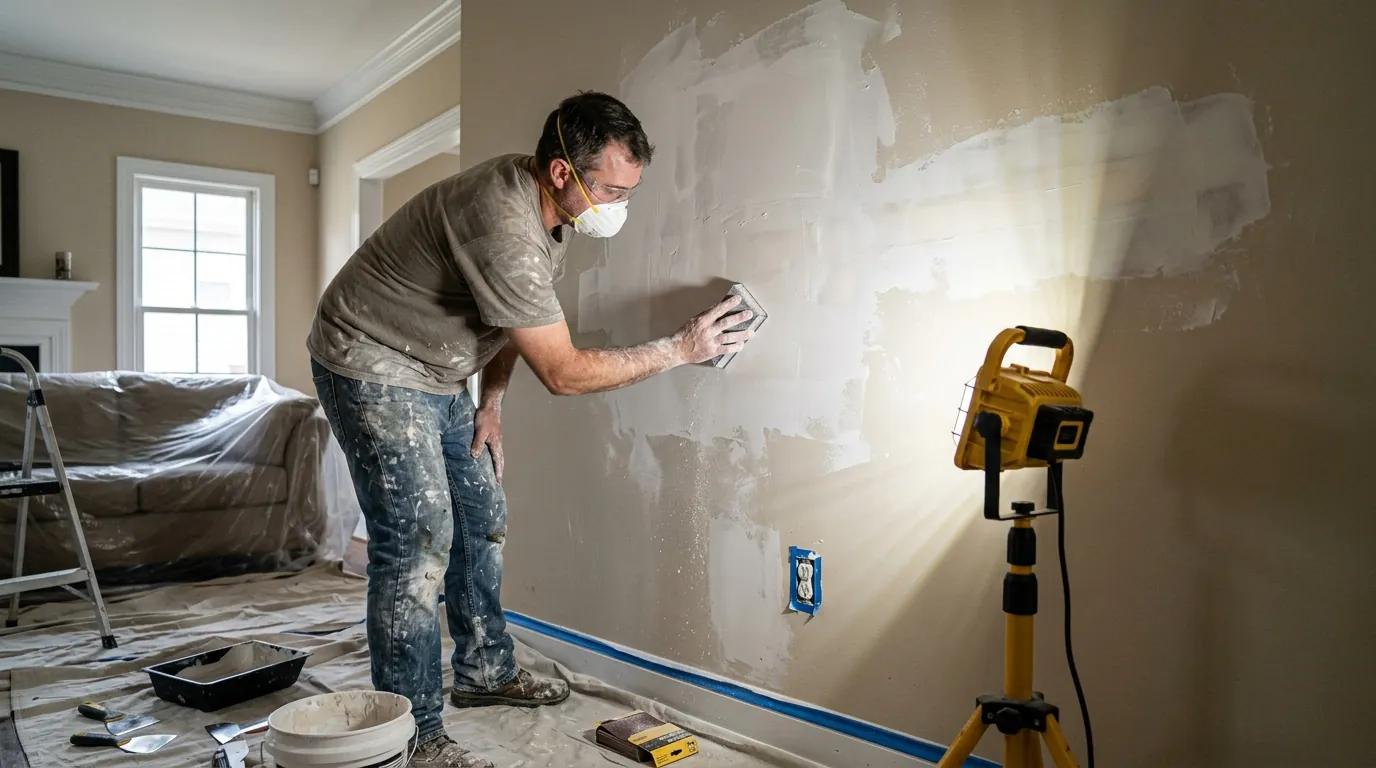
The hard part of drywall repair isn't filling the hole. It's making the patched spot look exactly like the wall around it. A patch that's slightly raised, a different texture or a different porosity shows as a halo once paint goes on, especially on walls hit by side light from windows. So we feather compound well past the edges, sand with a light held at a low angle, and match the texture pattern of the surrounding wall before priming.
Different damage gets different fixes. Small holes get a mesh or metal patch. Larger ones get a new piece of drywall screwed to backing strips. Nail pops are reset with screws and spot-filled. Cracks over doors and windows are cut out, taped with mesh or paper and finished in thin coats, since just filling a crack with compound usually brings it back within a season.
Water damage needs the source fixed first. We check soft spots with a moisture meter and cut out anything that's crumbling or stained through. Then we patch, match texture and prime with a stain blocker. Since every repair needs paint, it's usually most efficient to bundle it with repainting the room or painting the ceiling so the whole surface finishes evenly.
When to call
Drywall damage worth fixing before you paint
Doorknob and furniture holes
Round holes behind doors and dents from furniture are the most common repair we do. A wall stop prevents repeats once the patch is painted.
Nail or screw pops
Small round bumps or cracked circles in a line usually mean fasteners backing out as framing shrinks. Resetting them with screws stops them from popping back through paint.
Diagonal cracks from door corners
Cracks running from the corners of doors and windows come from framing movement. They return if just filled, so they need to be taped and feathered properly.
Crumbling or sagging spots
Soft drywall that dents under finger pressure, often below windows or near plumbing walls, has been wet. It needs to be cut out and replaced, not patched over.
Dented outside corners
Metal corner bead gets bent by furniture, carts and kids. Once it's crushed, the corner won't look straight until the bead is replaced or reset.
Peeling tape seams
Bubbling or lifting tape along a joint, often in bathrooms or near ceilings, means the tape lost bond. It must be cut out and retaped.
Scope of work
What our drywall repair work includes
- Checking damaged areas with a moisture meter before any patching starts
- Cutting out soft, crumbled or water-stained drywall back to sound material
- Installing new drywall pieces with backing strips and drywall screws
- Resetting nail pops with screws and filling the dimples
- Taping and feathering cracks with mesh or paper tape and joint compound
- Replacing or resetting damaged metal corner bead on outside corners
- Matching existing texture, including orange peel, knockdown and smooth finishes
- Priming every repaired area, with a stain blocker where water marks remain
How the job runs
How we patch drywall so the repair disappears
| Step | What happens |
|---|---|
| A1 | Find the causeFor cracks and water damage, we look for the reason first: an old leak, a door that slams, a settling header. We tell you if something else needs attention before patching. |
| A2 | Cut back to solid boardDamaged drywall is cut into a clean square or rectangle so the new piece fits tight against the old edges. Wet or crumbling material is removed entirely, along with any stained insulation behind it. |
| A3 | Patch and tapeNew drywall is screwed in, seams are taped, and the first coat of setting compound goes on. Setting compound hardens chemically and shrinks less than premixed mud. |
| A4 | Feather in thin coatsWe add two or three thin coats, each wider than the last, sanding lightly between them. Feathering well past the patch edges hides the transition. |
| A5 | Match the textureOrange peel is sprayed with a hopper gun, knockdown is sprayed and flattened, and smooth walls are skimmed. We test on cardboard first to match pattern size. |
| A6 | Prime and paintPatches get primer so they absorb paint like the surrounding wall. Then we paint the patch area or, better, the whole wall plane so sheen and color stay uniform. |
Atlanta conditions
What Atlanta weather and homes mean for drywall repair
A lot of the drywall damage we fix in Atlanta comes from water. Summer thunderstorms test roof flashing and window seals, and attic air handlers sweat and overflow during humid months. Damage from those leaks often shows up below windows, on ceilings near returns, or along exterior walls. Joint compound also dries slowly in humid air, so a repair that would take two visits in a dry climate can stretch to three. We use setting compounds that harden by chemical reaction to keep the schedule tight.
Housing age shapes the texture we match. Many 1970s and 1980s split-levels and ranches have knockdown or heavy orange peel on walls, while newer homes in places like Duluth and Lawrenceville often have light orange peel or smooth level 4 finishes. Intown 1920s homes may have plaster rather than drywall, which needs bonding agents and different patch methods. We identify the surface at the walkthrough so the right materials come along on the first visit.
Where we do this work most
Built pages for neighborhoods and cities we cover, with ZIP codes.
Typical costs
Typical drywall repair costs in Atlanta
Drywall repair is mostly time and return visits, because compound has to dry between coats. Small patches cost more per square foot than large ones for that reason. These are typical ranges in Atlanta-area homes, including texture matching and primer. Painting the full wall afterward is priced separately. Our painting cost guide shows typical room painting prices if you want to finish the whole wall.
| Work | Typical range |
|---|---|
| Small hole or patch up to 6 inches | $165 to $315 |
| Medium patch, 6 inches to 2 feet | $265 to $465 |
| Water-damaged section, up to a 4 by 4 foot area | $485 to $1,135 |
| Crack repair over a door or window, per crack | $145 to $285 |
| Nail pops, per room | $135 to $345 |
Typical Atlanta ranges, not a quote. Your written estimate follows a free walkthrough. Compare other jobs on our painting price guide.
What moves the price
- Size and number of repairs
- Texture type to match
- Ceiling versus wall location
- Water damage and stain blocking
- Painting the full wall after repair
Compounds, tapes and texture tools we use
We use setting-type joint compound such as Sheetrock Easy Sand for the first coats because it hardens fast and shrinks little, then lightweight premixed compound for finish coats that sand easily. Seams are taped with paper tape or fiberglass mesh depending on location, and outside corners get metal or paper-faced bead. Texture is matched with a hopper gun for orange peel and knockdown, or by hand with a knife for skip trowel. Water stains are sealed with Zinsser Cover Stain or BIN before finish paint, and patches get a drywall primer so they absorb paint evenly.
Paints, primers and stains our painters work with every week, from Sherwin-Williams and Benjamin Moore to PPG and Romabio.
Questions
Drywall repair & patching questions from Atlanta homeowners
Why does a patched spot still show after it's painted?
Usually it's one of three things: the patch is slightly raised, the texture doesn't match, or the patch wasn't primed and absorbed paint differently, which leaves a dull halo. We feather wide, match the texture, prime every patch, and paint the whole wall section from corner to corner, which removes those visible differences.
How many visits does a drywall repair take?
Small patches can often be done in a day using fast-setting compound. Larger repairs, water-damaged sections and cracks usually need two or three short visits, because each coat of compound needs to dry before the next goes on. Humid weather can add a visit. We tell you the schedule up front so you're not waiting on us.
Can you match a knockdown or orange peel texture?
Yes. We mix compound to the right thickness and spray it with a hopper gun, adjusting air pressure and nozzle size on a test board until the pattern matches. For knockdown, we flatten the spray with a wide knife once it starts to set. Exact matches depend on how the original was applied, but most patches blend in well after paint.
Should I fix the crack above my door myself with caulk?
Caulk flexes, so it looks fine at first, but it doesn't take paint the same way and it often shows as a shiny line. Cracks above doors are caused by framing movement, so they need to be cut open, taped and feathered. Caulk works well at inside corners and trim joints, not across a flat wall.
Is it worth repairing drywall before selling a house?
Yes. Buyers and inspectors notice cracks, holes and water stains and often read them as bigger problems than they are. Repairing them and repainting the affected wall is inexpensive compared with what a buyer may ask for during negotiation. Water stains in particular should be fixed and sealed once the leak is resolved.
Related work
Jobs that often go with this one
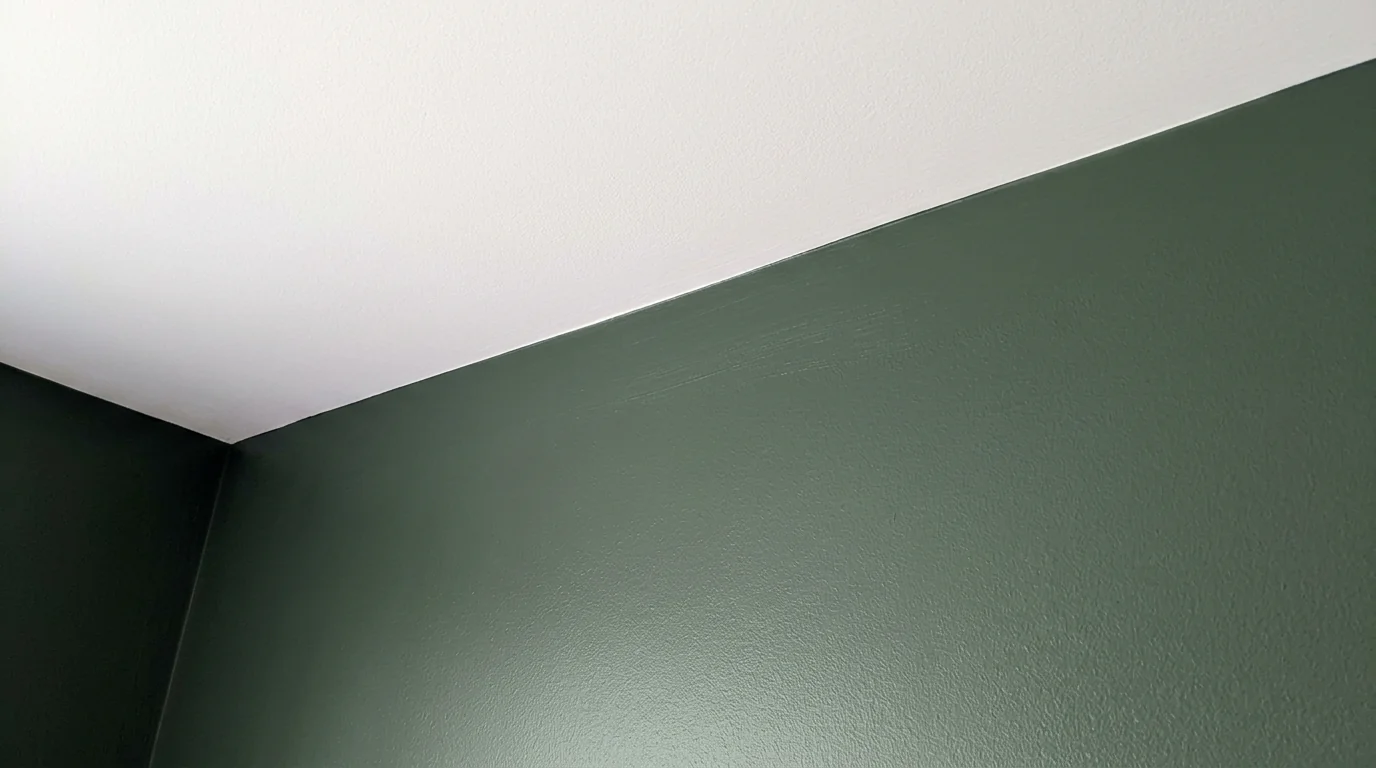
Interior House Painting
Walls painted room by room or across the whole house, with furniture moved, floors covered and two full coats rolled over clean cut lines.
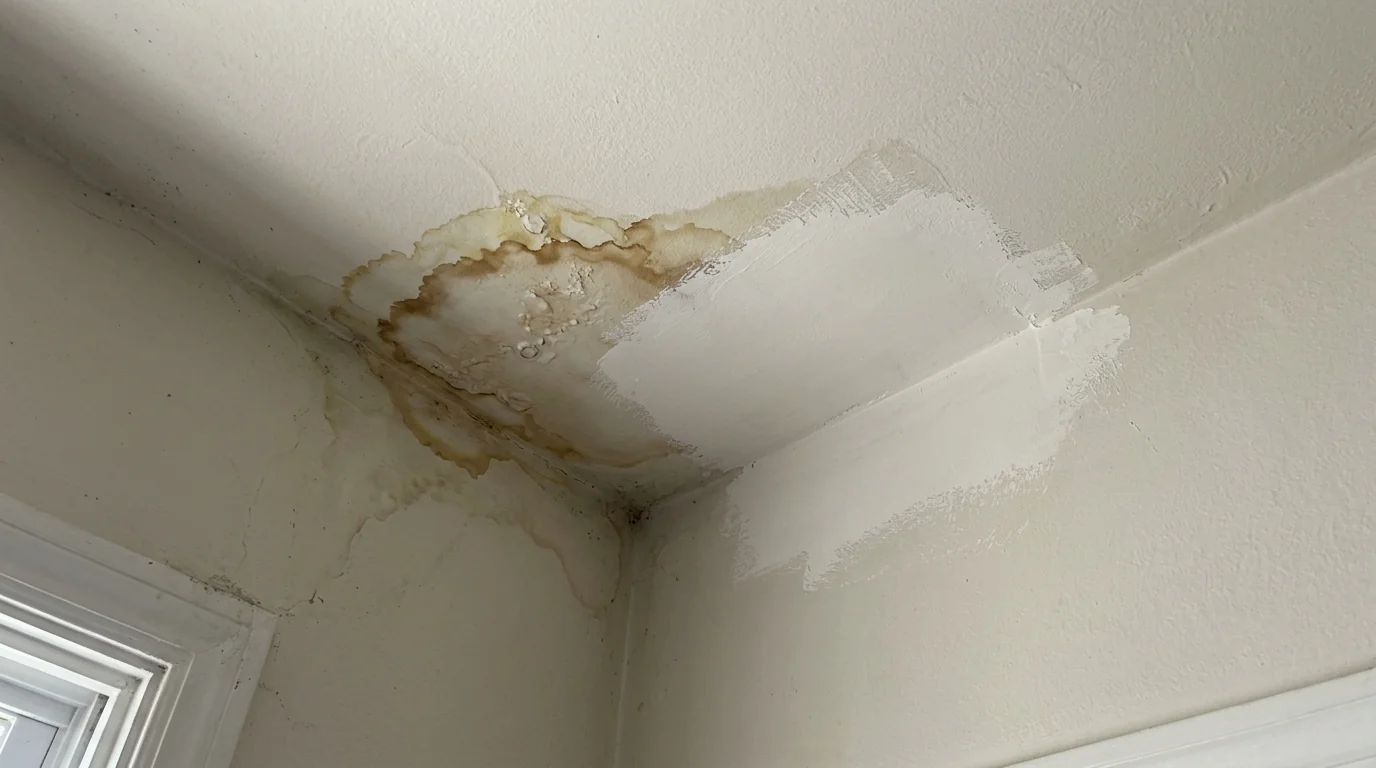
Ceiling Painting
Flat ceiling paint rolled without lap marks, water stains sealed with stain-blocking primer, and tall or vaulted ceilings reached safely.
Popcorn Ceiling Removal
Acoustic popcorn texture tested, wetted, scraped and contained, then skimmed, primed and painted for a smooth ceiling.
Talk through your drywall repair & patching job
Call any time. We will ask a few questions, set a walkthrough time and put the scope and price in writing.