Exterior painting in Atlanta
Brick painting in Atlanta, done breathable and done once
Painting brick is the one exterior decision you can't easily undo. If you're tired of orange 1960s brick or a patchy mix of old and new masonry, we help you decide, then do it with coatings that let the wall breathe.
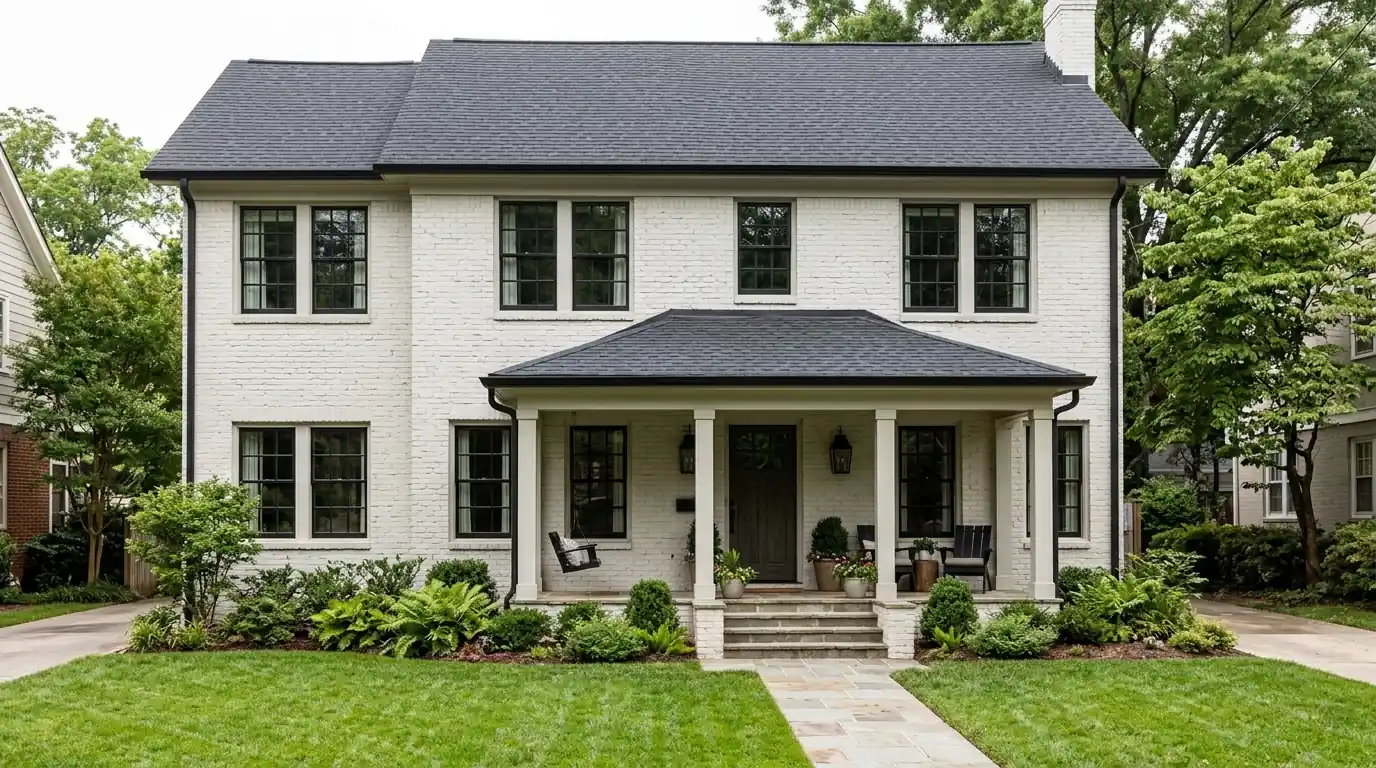
We paint exterior and fireplace brick across metro Atlanta using breathable mineral or masonry paints after cleaning, efflorescence treatment and any mortar repair. A typical brick ranch takes 4 to 7 working days. Expect roughly $5,350 to $9,480 for a one-story brick house, more for two stories. Call (470) 458-0461 to schedule a free walkthrough and moisture check.
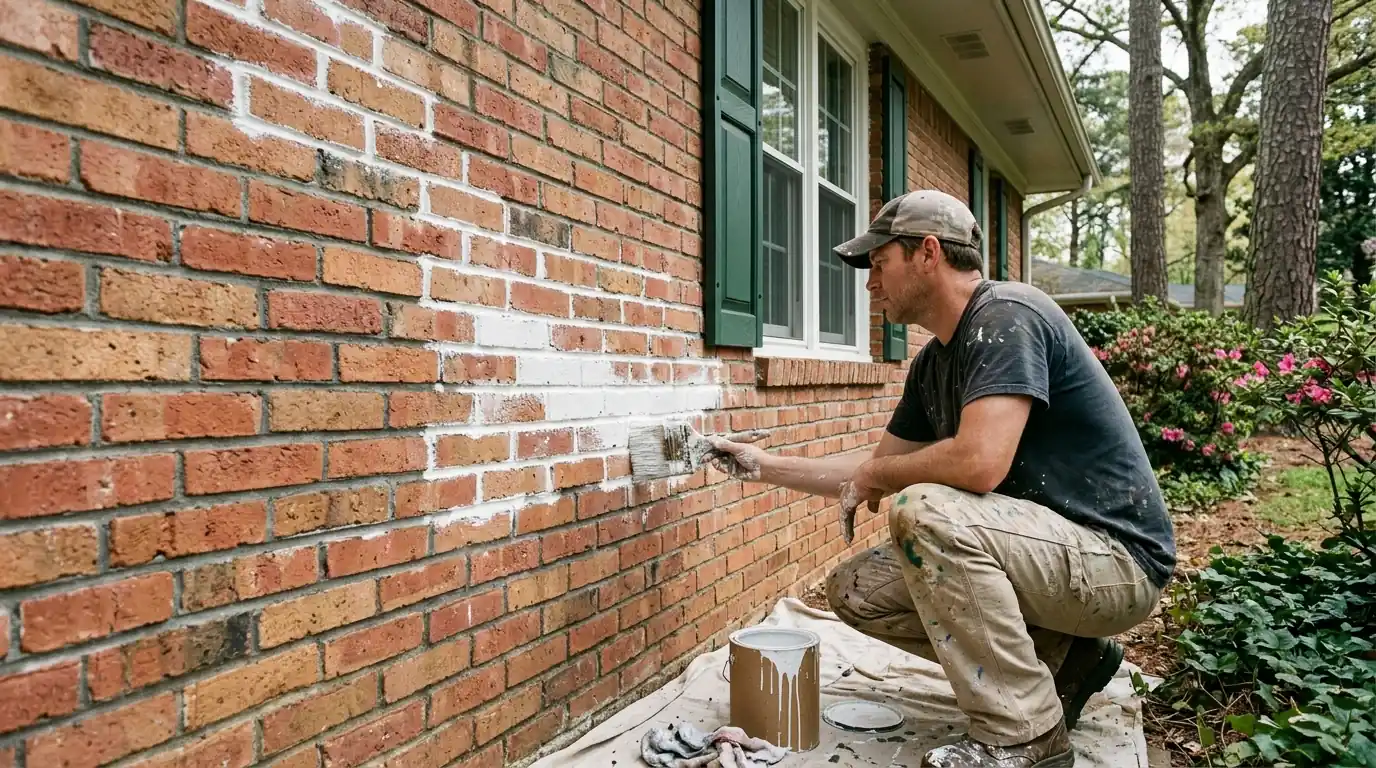
Brick doesn't need paint to survive. It needs paint only when you want a different look, and that's why we start every brick job with a frank conversation. Once a coating goes on, getting back to bare brick means chemical stripping or abrasive work that can damage the face. Many homeowners decide to paint anyway, and they're usually glad they did. We just want the decision made with eyes open.
The bigger technical question is what kind of paint. Brick and mortar absorb water from rain and from the ground, and that water has to leave somehow. A standard film-forming acrylic can trap it, which shows up as blistering, peeling and white salt deposits pushing through. Breathable masonry coatings, especially silicate mineral paints, let vapor pass while still shedding liquid water. They cost more per gallon and are worth it on bare brick.
Before any coating, the wall has to be sound. Cracked or sandy mortar joints are raked out and repointed, loose brick is reset, and active leaks at windows, gutters and chimney flashing get addressed. If you'd rather keep some brick texture and color visible, a softer option is a limewash finish, which wears gradually instead of sitting on the surface as a skin.
When to call
When painting your brick makes sense
Dated or mismatched brick
Additions built decades apart rarely match. Painting unifies a 1960s ranch and its 1990s den, or a red brick front and a tan side wall, into one deliberate color.
Previously painted brick that's peeling
If someone already coated the brick with the wrong product, it peels in patches. Removing loose paint and recoating with a breathable system is usually the practical path.
Stains that won't wash out
Old soot, rust runs from railings and permanent clay staining can make brick look dirty even after cleaning. A coating covers what washing can't remove.
A fireplace that dominates the room
Dark red brick surrounds can swallow light in a living room. Painting a fireplace is lower risk than an exterior wall because it isn't fighting rain.
Patched mortar that shows
Repointing in a mortar color that doesn't match leaves a patchwork look. Paint hides color mismatches across joints once the repairs have cured.
A new exterior palette
If you're repainting trim, shutters and doors in new colors, unpainted orange brick can fight every choice. Painted brick gives you a calm backdrop for the rest.
Scope of work
What our brick painting scope covers
- Moisture readings on walls, especially shaded sides and areas near downspouts
- Cleaning brick with a masonry detergent and low-pressure rinse, never high-pressure blasting
- Treating efflorescence with brushing and a mild masonry cleaner, then rinsing
- Raking out and repointing failed mortar joints with a mortar suited to the brick's age
- Removing loose old paint where the brick was coated before
- Applying a masonry primer or conditioner where the coating system calls for one
- Two coats of breathable masonry or silicate paint, brushed into joints and back-rolled
- Painting adjacent trim, sills and lintels in the colors on your schedule
How the job runs
Our brick painting steps from test patch to final coat
| Step | What happens |
|---|---|
| A1 | Decide togetherWe look at the brick, the mortar and your goals. If the brick is in good shape and you're unsure, we'll suggest a test area on a back wall so you can live with the color for a week. |
| A2 | Check moisture and fix leaksWe take meter readings and look for the source of any damp: overflowing gutters, splash-back, missing flashing. Painting over a wet wall only hides the problem for a season. |
| A3 | Clean and treat saltsBrick gets a masonry detergent wash and gentle rinse. White efflorescence is brushed off and treated; if it keeps returning, there's a water source we haven't found yet. |
| A4 | Repoint and cureFailed joints are raked and filled with a compatible mortar. New mortar needs time to cure before it accepts paint, often several weeks for mineral systems, so this step sets the schedule. |
| A5 | Prime and coatWe brush paint into the mortar joints and texture, then roll or spray and back-brush the faces. Two coats, with the recoat time on the label, give even color without bridging over pores. |
| A6 | Trim and final walkWindow trim, sills and doors get finished, and we walk the house with you to touch up any skipped joints or roller marks before we leave. |
Atlanta conditions
Atlanta brick houses and the moisture they carry
Metro Atlanta has decades of brick housing: intown Tudors with clinker accents, 1950s and 1960s ranches across DeKalb and Fulton, and plenty of 1980s brick-front two-stories in Cobb and Gwinnett. Many have brick sitting low to grade, with red clay soil right against the bottom courses. That clay holds water and the brick wicks it upward after every storm, which is exactly why a breathable coating matters here more than in a drier climate. We check grade and drainage before recommending any product.
Our humid summers and frequent thunderstorms keep masonry damp more days of the year than you'd guess, and shaded north walls under big oaks rarely dry fully. Those walls are where efflorescence and mildew show first. We schedule brick work in drier stretches, usually fall and late spring after the pollen settles, and leave extra dry time after washing because brick holds water longer than siding. Homes in historic districts may need design review first, which our historic house painting page explains.
Where we do this work most
Built pages for neighborhoods and cities we cover, with ZIP codes.
Typical costs
Brick painting prices around Atlanta
Brick painting costs more per square foot than siding because the surface is rough, the joints need brushing, and prep often includes mortar work. Mineral paints also cost more than standard acrylics. These ranges are typical for Atlanta homes in 2026 and assume a sound wall with limited repointing. Compare other projects in our price guide.
| Work | Typical range |
|---|---|
| One-story brick ranch, full exterior | $5,350 to $9,480 |
| Two-story brick home, full exterior | $8,950 to $16,420 |
| Brick wall area with mineral paint | $3.15 to $5.85 per sq ft |
| Mortar repointing, per sq ft of wall repaired | $11.40 to $24.75 per sq ft |
| Interior fireplace surround and hearth | $465 to $1,180 |
Typical Atlanta ranges, not a quote. Your written estimate follows a free walkthrough. Compare other jobs on our painting price guide.
What moves the price
- How much mortar needs raking and repointing
- Breathable mineral paint vs standard masonry acrylic
- Removing previously applied peeling paint
- Wall height and access over landscaping
- Number of trim colors and windows
Coatings that let brick breathe
For bare brick we lean toward silicate mineral paints such as Romabio Masonry Flat, or Sherwin-Williams Loxon masonry coatings when a more conventional system fits; Benjamin Moore and PPG also make masonry-specific paints. Mineral paint bonds chemically with the brick and stays vapor-open, so moisture leaves instead of pushing the coating off. Where brick was painted before, a compatible acrylic masonry system is usually the right call. We use stiff nylon-polyester brushes to work paint into mortar joints and a thick-nap roller on the faces.
Paints, primers and stains our painters work with every week, from Sherwin-Williams and Benjamin Moore to PPG and Romabio.
Questions
Brick painting questions from Atlanta homeowners
Can painted brick ever go back to natural brick?
Only with effort. Chemical strippers and careful low-pressure rinsing can remove most paint, but residue stays in the pores and mortar, and the cost often matches or exceeds the original paint job. Abrasive blasting risks breaking the hard face off the brick. That's why we treat painting brick as permanent and suggest a test patch if you're unsure.
Why does white powder keep appearing on my brick?
That's efflorescence, salts carried to the surface as water evaporates out of the masonry. It tells you water is moving through the wall. We brush and treat it, but if it keeps returning, the source has to be fixed first: a leaking gutter, poor grading or a missing cap. Painting over active efflorescence leads to peeling.
Is mineral paint really better than regular exterior paint on brick?
For unpainted brick, usually yes. Mineral silicate paint soaks in and bonds with the masonry, stays breathable and fades gently rather than peeling. Standard acrylic builds a skin that can trap moisture. Acrylic masonry paints sit in the middle and work well over previously painted brick, where mineral paint can't bond properly.
How long after repointing can you paint the brick?
It depends on the mortar and the paint. New mortar needs to cure and lose some of its surface alkalinity before most coatings go on. For mineral paint systems, we commonly wait around four weeks. Some masonry primers tolerate fresher mortar. We plan the repointing early so the painting date isn't pushed back at the end.
Should I paint the brick fireplace inside too?
Many people do, and inside it's simpler because there's no rain to manage. We clean off soot with a degreaser, seal stains with a shellac or stain-blocking primer, and use a masonry or latex paint on the surround. The firebox interior stays unpainted, and high-heat paint is used only where the firebox front calls for it.
Related work
Jobs that often go with this one
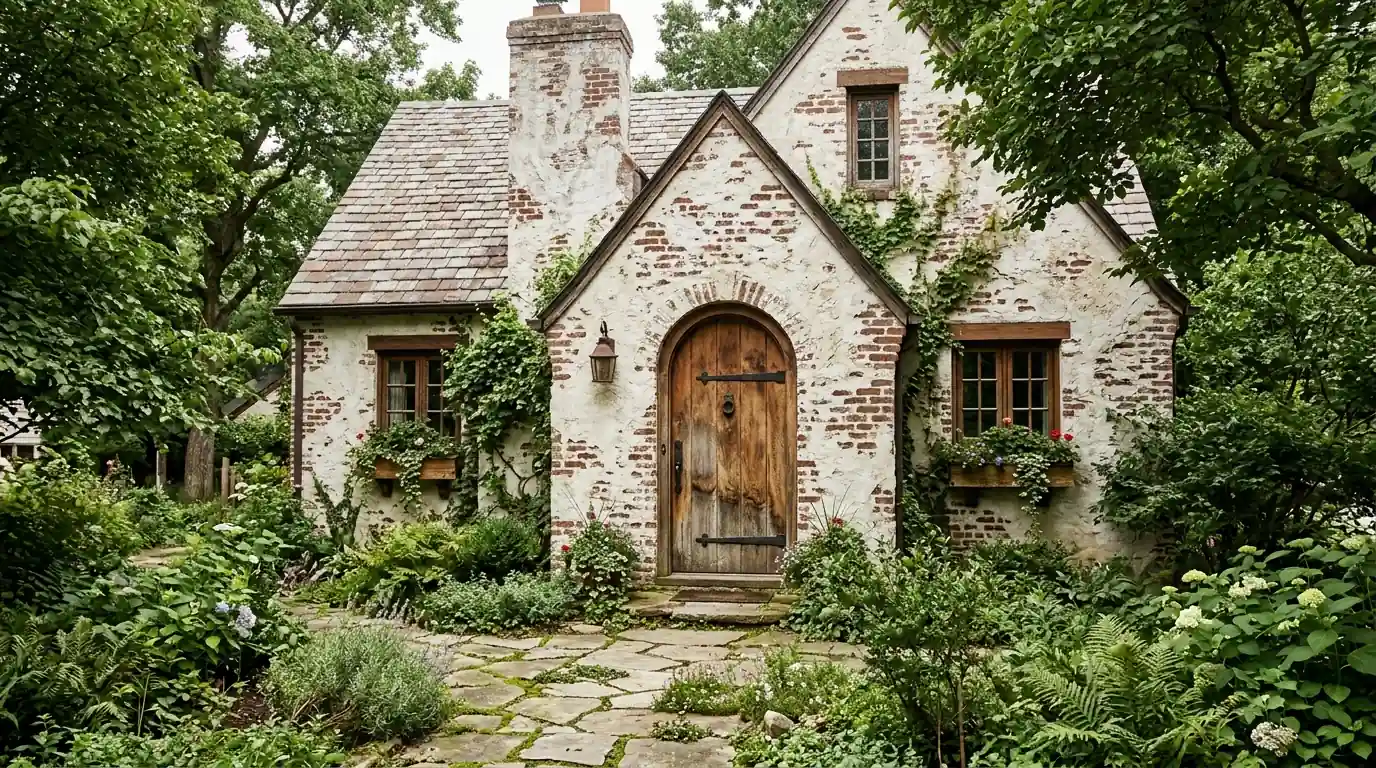
Brick Limewashing
Limewash, German smear and mortar wash finishes on unpainted Atlanta brick, using mineral lime that soaks in and ages softly.
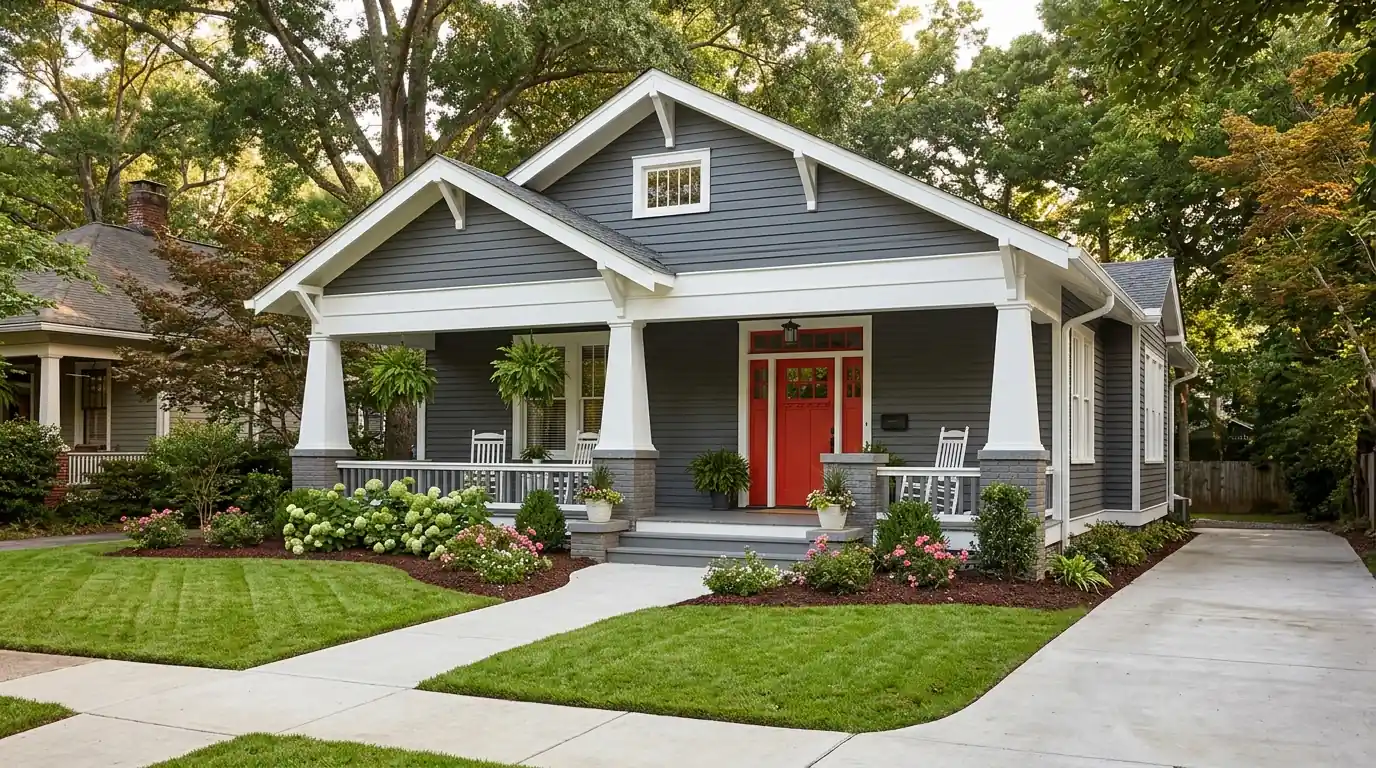
Exterior House Painting
Full exterior repaints on wood, fiber cement and mixed-material Atlanta homes: wash, scrape, sand, caulk, spot prime and two finish coats.
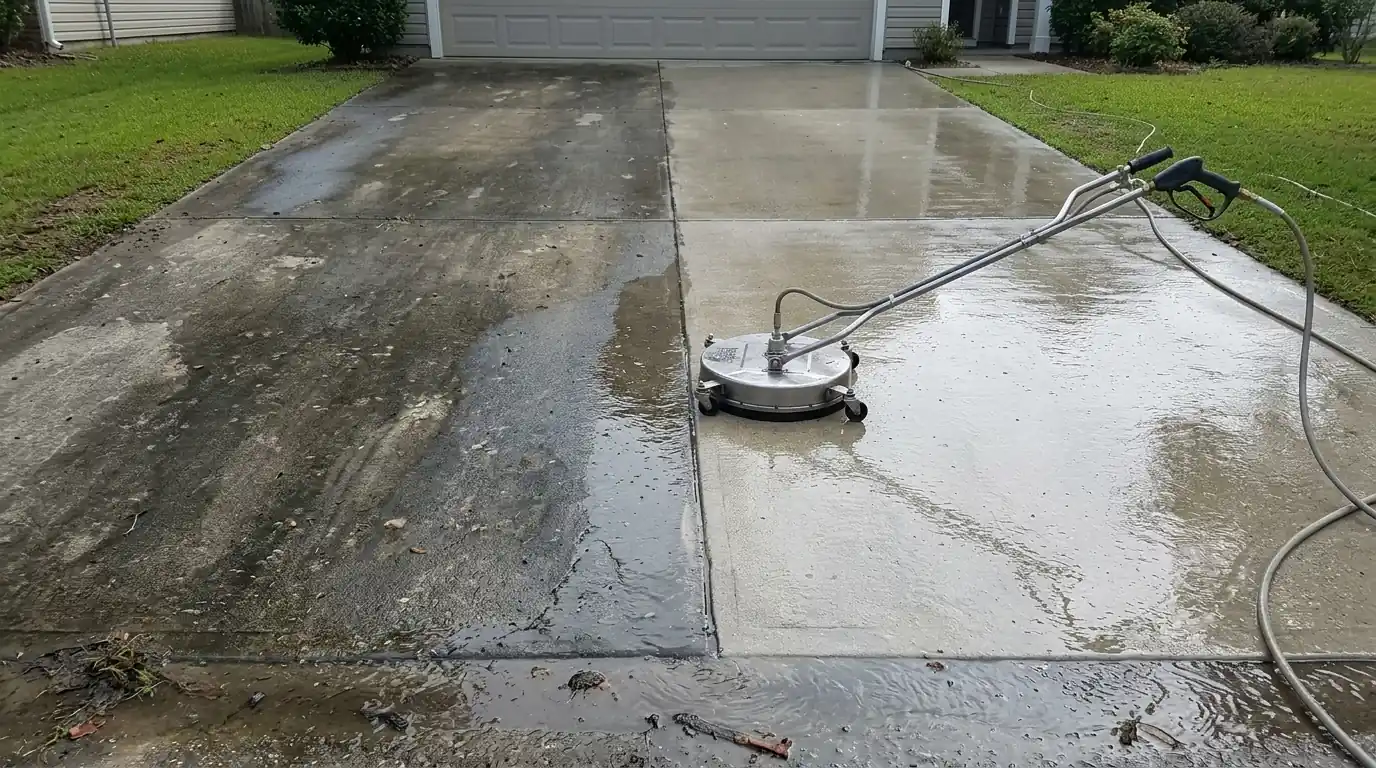
Pressure Washing
Soft wash for siding and pressure washing for concrete, clearing mildew, algae, pollen and red clay before paint or on its own.
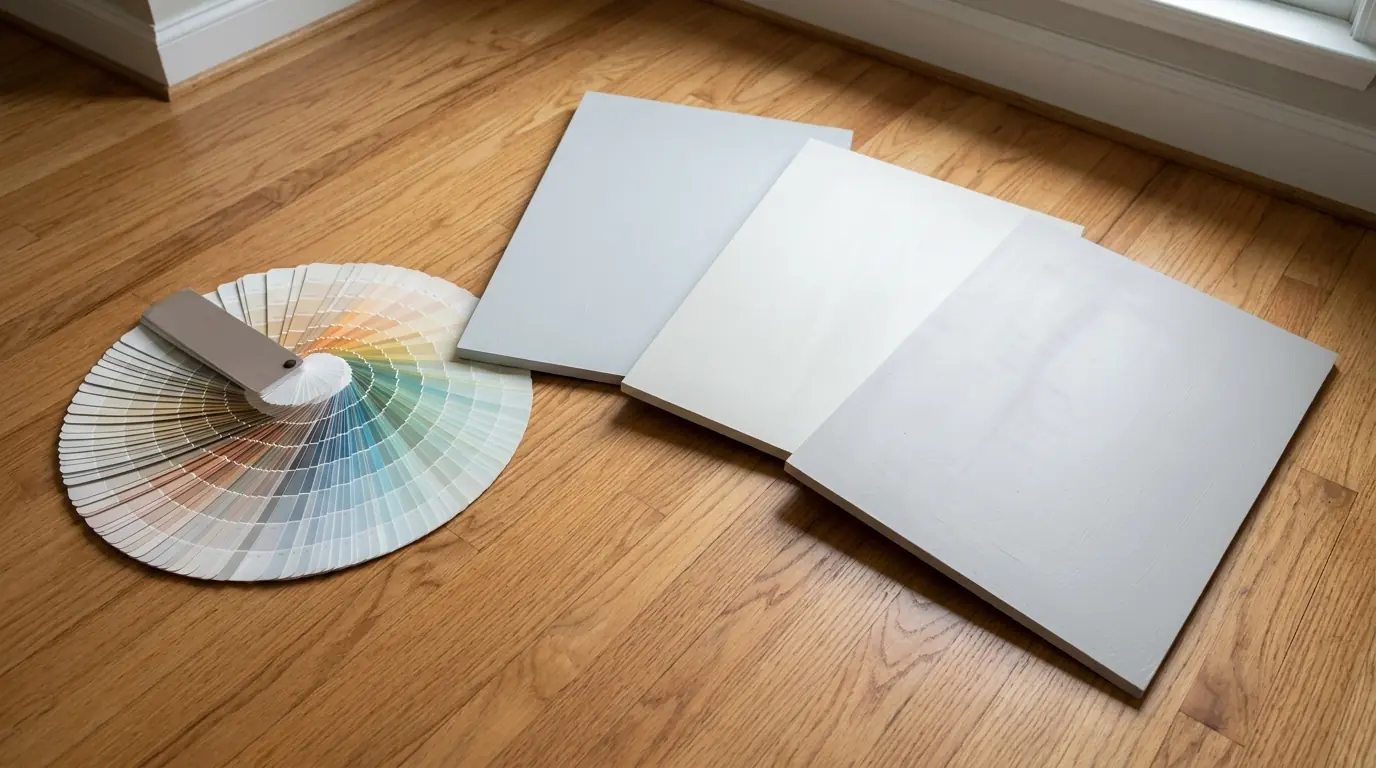
Color Consultation
Interior and exterior color selection with large sample boards, undertone and LRV checks, and whole-house palettes that work with your fixed finishes.
Talk through your brick painting job
Call any time. We will ask a few questions, set a walkthrough time and put the scope and price in writing.