Specialty finishes in Atlanta
Lead-safe painting in Atlanta for homes built before 1978
Your house was built before 1978 and the old paint is chipping, peeling or about to be sanded. Lead dust from that work can settle into floors, soil and window sills, and it is a real risk to children and pregnant family members.
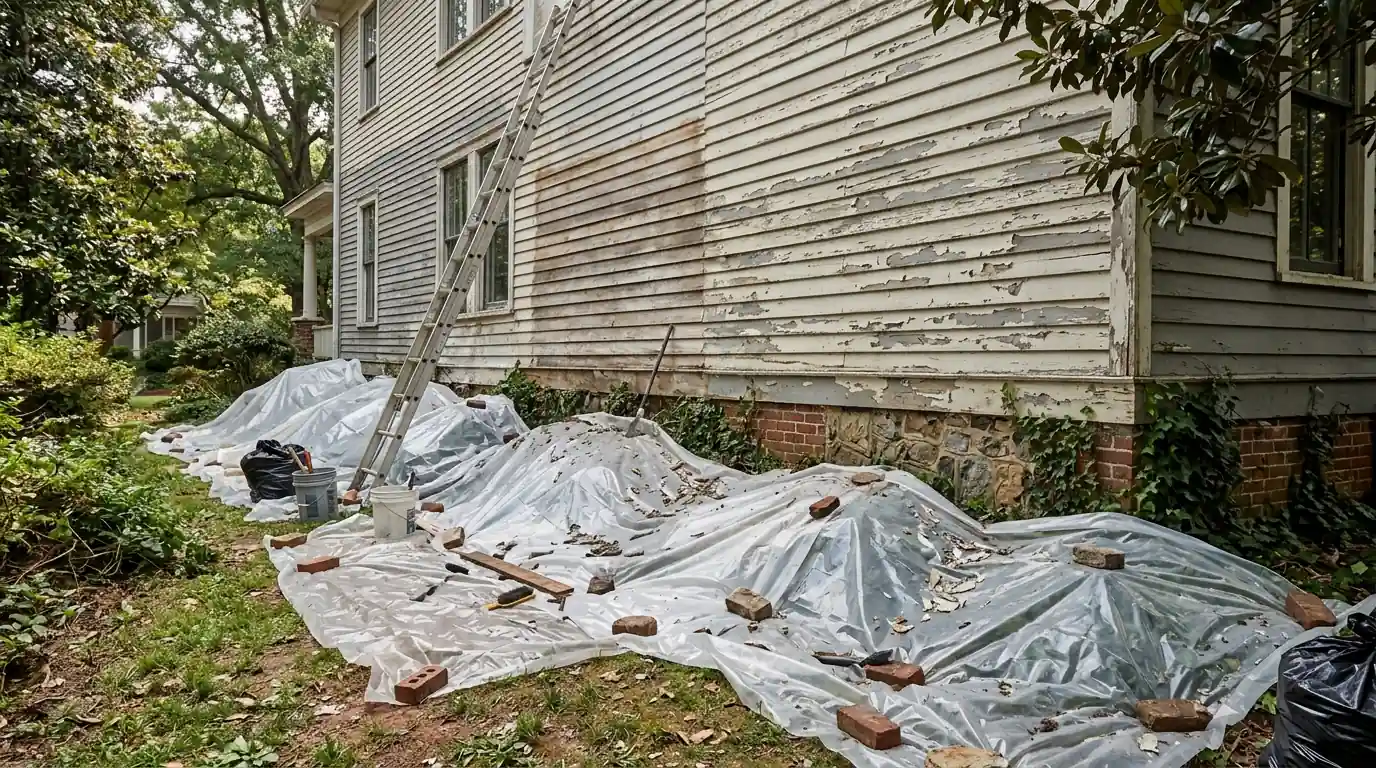
On homes built before 1978 we follow EPA lead-safe work practices: test or assume lead, set up plastic containment, use wet scraping and sanding, collect debris daily, clean with HEPA vacuums and wet wipes, and verify cleaning. These steps typically add a day and $485 to $2,370 to a job depending on size. Call (470) 458-0461 to plan your project.
Lead was a common ingredient in house paint until 1978, and a large share of homes built before then still carry it under newer coats. Intact paint that isn't disturbed is a low hazard. The danger comes when it's scraped, sanded, cut or heated, which is exactly what painting prep does. Lead dust is fine enough to be invisible, it settles on floors and sills and in the soil next to the house, and small children pick it up on their hands.
On pre-1978 homes we use the work practices the EPA lays out for renovation and painting: we set up containment before we disturb paint, keep surfaces wet while we scrape and sand, avoid the methods that throw dust or fumes, clean with HEPA vacuums and wet wipes, and check the cleaning before we take down the plastic. It's slower, and it costs more, but it's the right way to work in an older home.
This page explains what that looks like for you as a homeowner: what we set up, what you should move, how long rooms stay off-limits, and what clean looks like when we hand the space back. It pairs closely with our older home painting work and any exterior where old paint is peeling. If you have questions about testing, start there on the call.
When to call
When lead-safe methods should apply to your project
Built before 1978
The year your home was built is the first test. If it predates 1978, we treat painted surfaces as possibly containing lead unless testing shows otherwise.
Peeling or chipping old paint
Paint coming off in chips or flakes is releasing dust and debris already. Those chips are especially hazardous if young children or pets are around the house.
Friction surfaces
Windows, doors and stairs grind painted surfaces against each other every time they're used. On older homes, window sills and jambs are common sources of lead dust.
Planned sanding or scraping
Any repaint that involves heavy scraping, sanding, cutting out trim or removing windows will disturb older paint layers, even if the top coat is newer.
Children or pregnancy in the home
Lead is most harmful to young children and during pregnancy. If either is part of your household, careful containment and cleanup matter even more.
Bare soil near the walls
Old exterior paint chips collect in the soil along foundations. Exterior scraping on these homes needs ground sheeting so new debris doesn't add to it.
Scope of work
What lead-safe painting includes on your job
- Testing painted surfaces with EPA-recognized test kits, or treating them as lead-containing
- Posting warning signs and keeping family and pets out of the work area
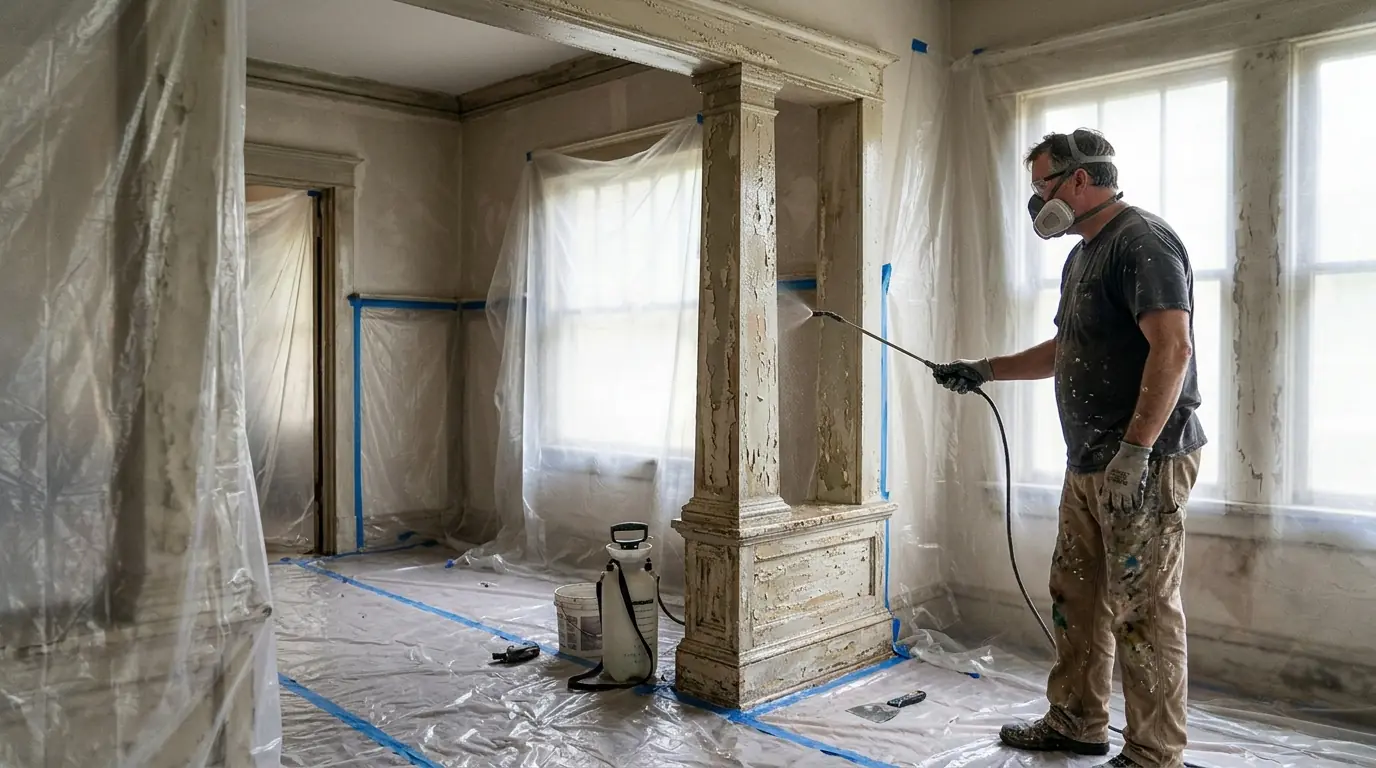
- Sealing interior rooms with plastic sheeting, taped doorways and covered vents
- Laying exterior ground sheeting out at least ten feet from the wall being prepped
- Wet scraping and wet sanding, with HEPA-shrouded sanders where machine sanding is needed
- No open-flame burning, high-heat guns or dry power sanding on painted surfaces with lead
- Daily debris collection, bagging and sealed disposal so nothing sits out overnight
- HEPA vacuuming, wet wiping and cleaning verification before plastic comes down
How the job runs
How a lead-safe paint job runs from start to finish
| Step | What happens |
|---|---|
| A1 | Confirm the age and testWe confirm the build year, then test the surfaces we plan to disturb, or assume lead is present. We explain the results and what they change in our scope and price. |
| A2 | Set up containmentInside, we remove or cover furniture, seal the room with plastic and tape, cover floors and close HVAC vents. Outside, we lay heavy plastic on the ground and protect windows and doors. |
| A3 | Prep with wet methodsPainters mist surfaces before scraping and use wet sanding sponges or HEPA-shrouded sanders. Chips fall onto the plastic sheeting, never onto bare floors, carpets or garden soil. |
| A4 | Clean as we goDebris is collected and bagged throughout the day, and plastic is misted and folded inward before anyone walks off it, so dust doesn't track through your home. |
| A5 | Final cleaningAfter prep and painting, surfaces in the work area are HEPA vacuumed, then wiped with wet cloths, and floors are mopped. Every horizontal surface gets attention, including sills. |
| A6 | Verify and hand backWe check the cleaning by wiping surfaces with disposable cleaning cloths and comparing them to a verification card, re-cleaning where needed. Only then does containment come down. |
Atlanta conditions
Older Atlanta homes and lead paint
A large share of intown Atlanta housing predates 1978: craftsman bungalows and Tudors from the 1910s through 1930s, postwar cottages, and the brick ranches built in the 1950s and 1960s. Neighborhoods like Oakland City, Mozley Park, Kirkwood and Virginia-Highland are full of homes with many paint layers on the wood trim, windows and porches. Those older layers are where lead is most likely, even when the top coats are modern latex, so we plan for it from the first walkthrough.
Atlanta weather affects the exterior work. Afternoon thunderstorms can wash chips off plastic and into beds, so we clean the ground sheeting before any storm rolls in and don't leave scraped debris out overnight. Wind on open lots can lift dust, so we watch conditions and stop dry-ish work on gusty days. Red clay soil along foundations holds old paint chips for decades, which is another reason we keep new debris off the ground entirely.
Where we do this work most
Built pages for neighborhoods and cities we cover, with ZIP codes.
Typical costs
What lead-safe practices add to the cost in Atlanta
Lead-safe work adds labor for setup, slower prep, and careful cleanup, plus materials like plastic, HEPA filters and disposal bags. The added cost depends on how much paint is disturbed and how much area needs containment. These are typical 2026 Atlanta-area ranges added to a normal paint price, not quotes. We spell out the lead-safe portion separately in your estimate.
| Work | Typical range |
|---|---|
| Test kit checks on the surfaces we will disturb | $45 to $135 |
| Interior containment and cleanup, one or two rooms | $485 to $965 |
| Exterior ground sheeting and cleanup, one elevation | $365 to $845 |
| Whole-house exterior lead-safe setup and cleanup | $1,170 to $2,370 |
| Window sill and jamb prep, lead-safe | $48 to $115 per window |
Typical Atlanta ranges, not a quote. Your written estimate follows a free walkthrough. Compare other jobs on our painting price guide.
What moves the price
- Number of rooms or walls disturbed
- Interior containment versus exterior sheeting
- Amount of scraping and sanding needed
- Windows and friction surfaces
- Debris volume and disposal
- Occupied home with children
Equipment and supplies for lead-safe painting
Our lead-safe kit includes 6-mil plastic sheeting, painter's tape and zip-door kits for containment, pump sprayers for misting, wet sanding sponges, and sanders connected to HEPA-filtered vacuums. Cleanup uses HEPA vacuums, disposable wet cloths and a two-bucket mop system. Debris goes into heavy-duty sealed bags. After prep, we prime with a bonding primer such as Zinsser or Sherwin-Williams, and on exteriors we choose a flexible acrylic that resists cracking, so the encapsulated old layers stay sealed under a sound coat.
Paints, primers and stains our painters work with every week, from Sherwin-Williams and Benjamin Moore to PPG and Romabio.
Questions
Lead-Safe painting questions from Atlanta homeowners
Do we need to move out during lead-safe interior painting?
Usually not for exterior work, and often not for interior work either, as long as the contained rooms are off-limits until cleaning is verified. Families with young children or a pregnancy sometimes choose to stay elsewhere during the heaviest prep days. We schedule work room by room so you keep the use of the rest of the home, and we'll go over the sequence before we start.
How do I know if my house actually has lead paint?
If it was built before 1978, there's a good chance some layer contains lead. Test kits recognized by the EPA can check specific surfaces, and a lead inspector with an XRF analyzer can test the whole home without damage. If you'd rather not test, we treat the surfaces we disturb as if they contain lead, which is the safe default.
Can you just paint over the old lead paint?
Covering sound lead paint with new coats is common and acceptable, and it helps seal the old layers in. The problem is the prep. Peeling areas must be scraped before paint will stick, and that scraping is where dust comes from. So even a simple repaint over lead paint needs containment, wet prep and careful cleanup around the areas being scraped.
What should I do with toys and furniture near the work area?
Move toys, rugs, small furniture and anything with fabric out of the room before we arrive, along with food and dishes in kitchens. We cover and seal larger furniture that can't move. Outside, take in children's play equipment, pet bowls and garden tools from the area within about ten feet of the walls being prepped.
Why not just remove all the lead paint?
Full removal, or abatement, is a separate job with its own rules. It disturbs far more paint, costs much more, and is usually done by specialized abatement firms. For most homes, careful lead-safe prep and new paint over sound old layers is the practical approach. If a doctor or agency has ordered abatement, we can paint after that work is finished.
Related work
Jobs that often go with this one
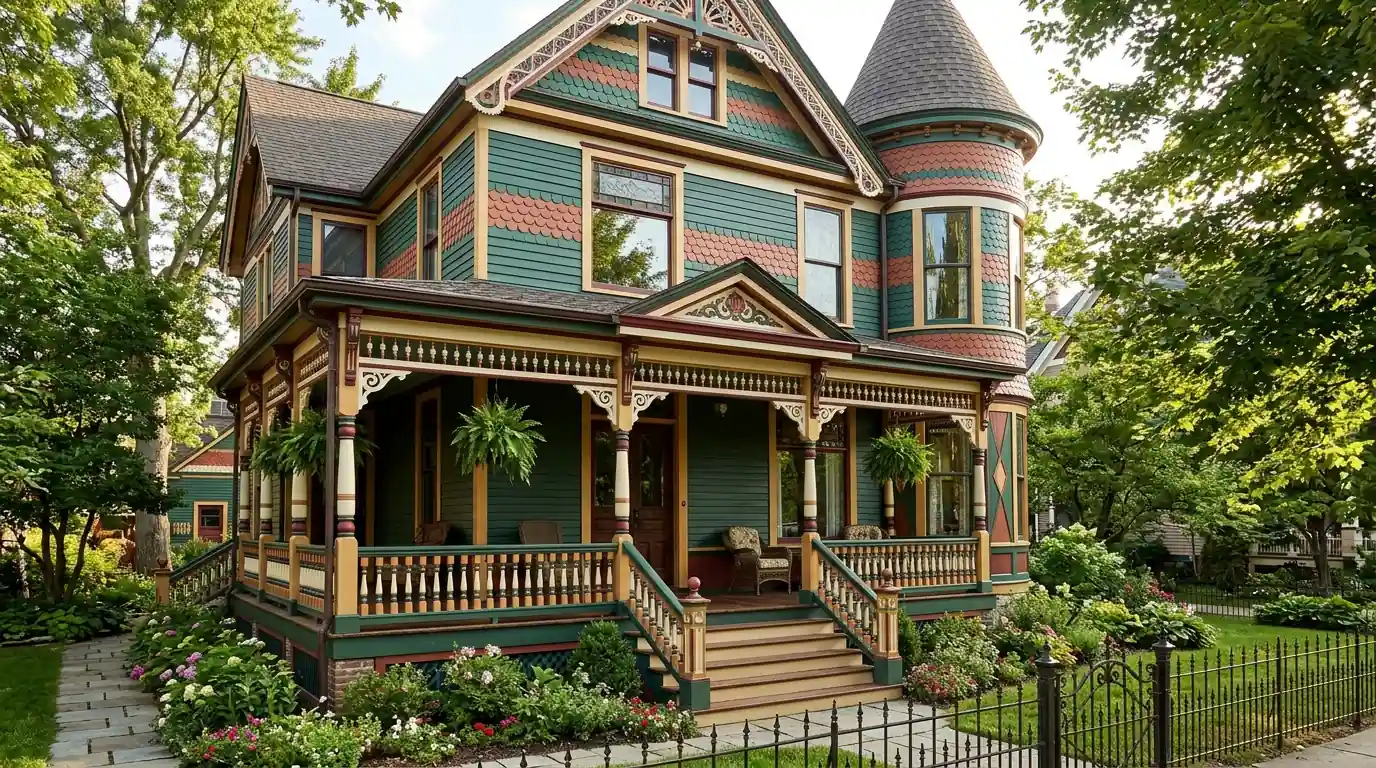
Historic Home Painting
Painting for 1900s to 1930s Atlanta Victorians, craftsman bungalows and Tudors: wood repair, many old layers, period colors, district review.
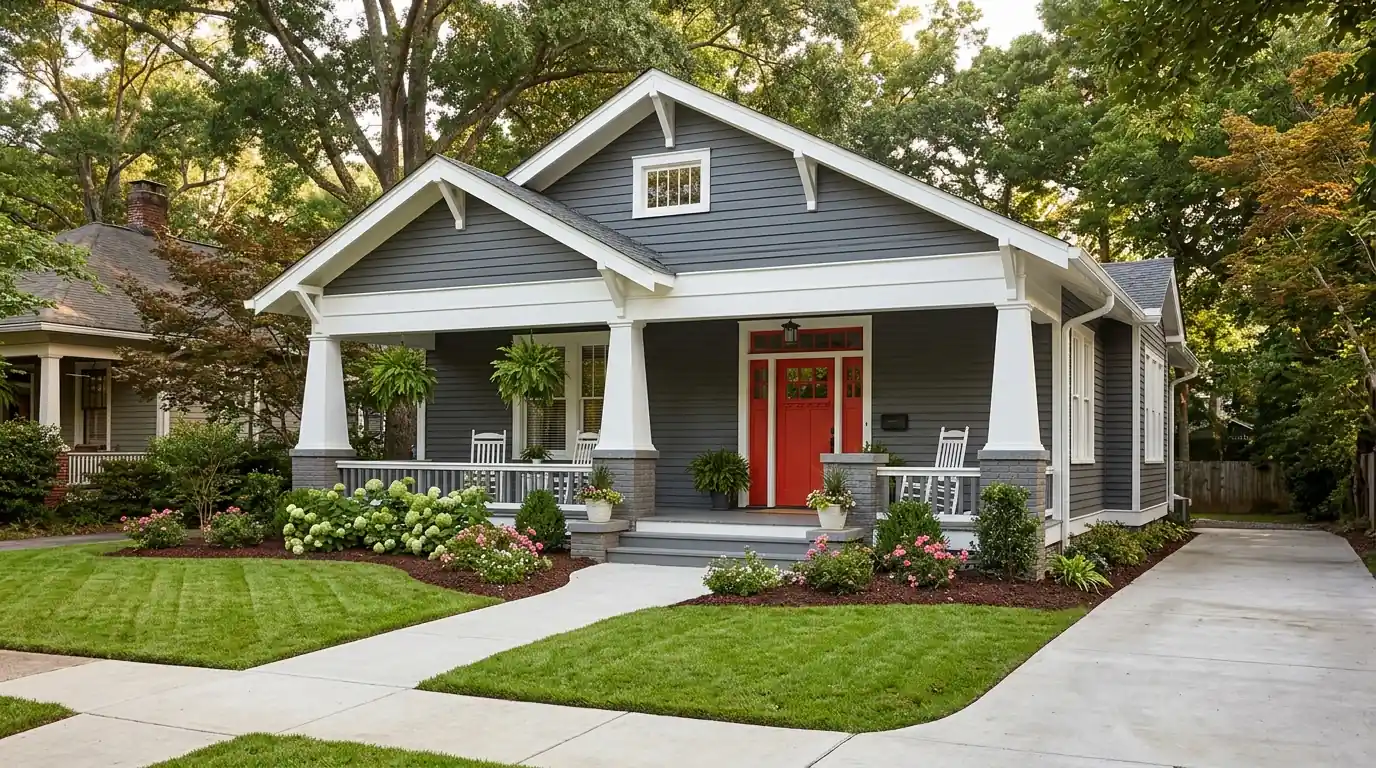
Exterior House Painting
Full exterior repaints on wood, fiber cement and mixed-material Atlanta homes: wash, scrape, sand, caulk, spot prime and two finish coats.
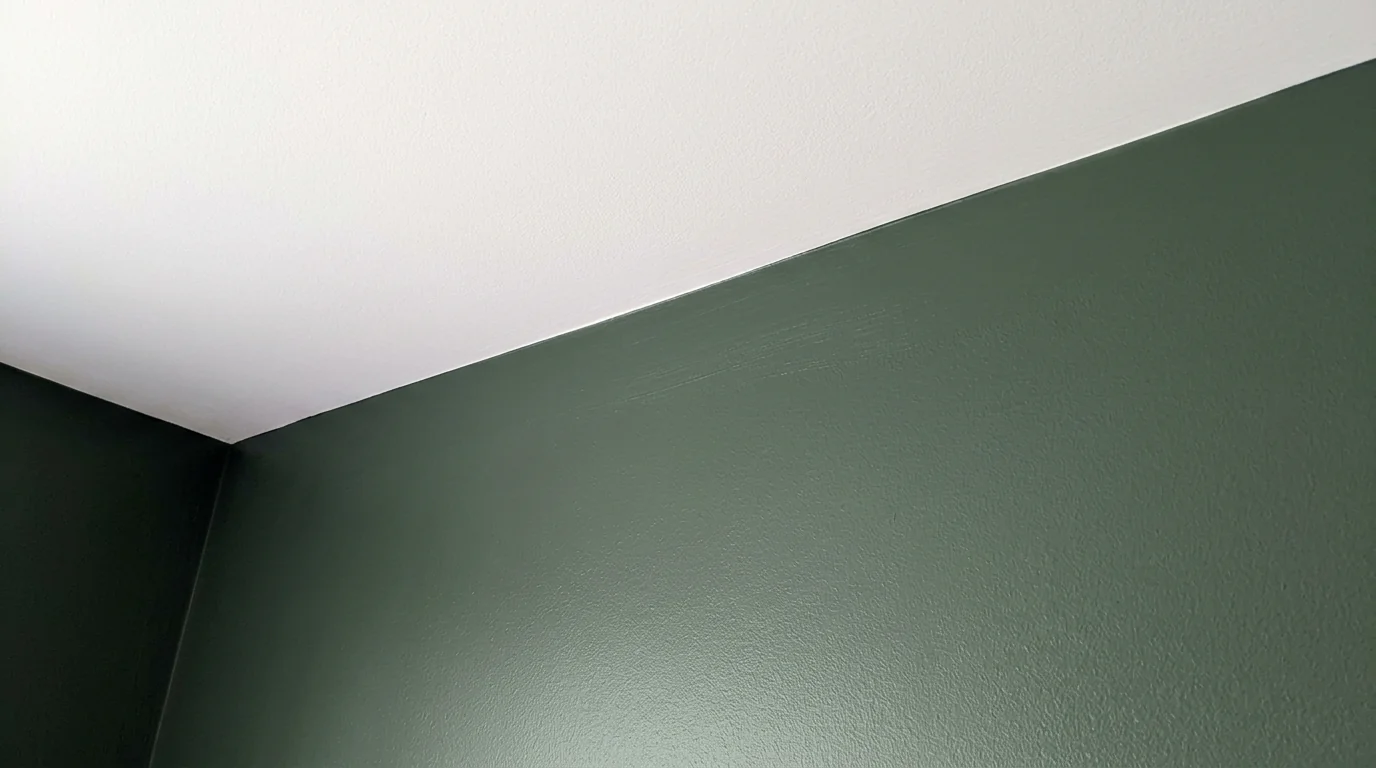
Interior House Painting
Walls painted room by room or across the whole house, with furniture moved, floors covered and two full coats rolled over clean cut lines.
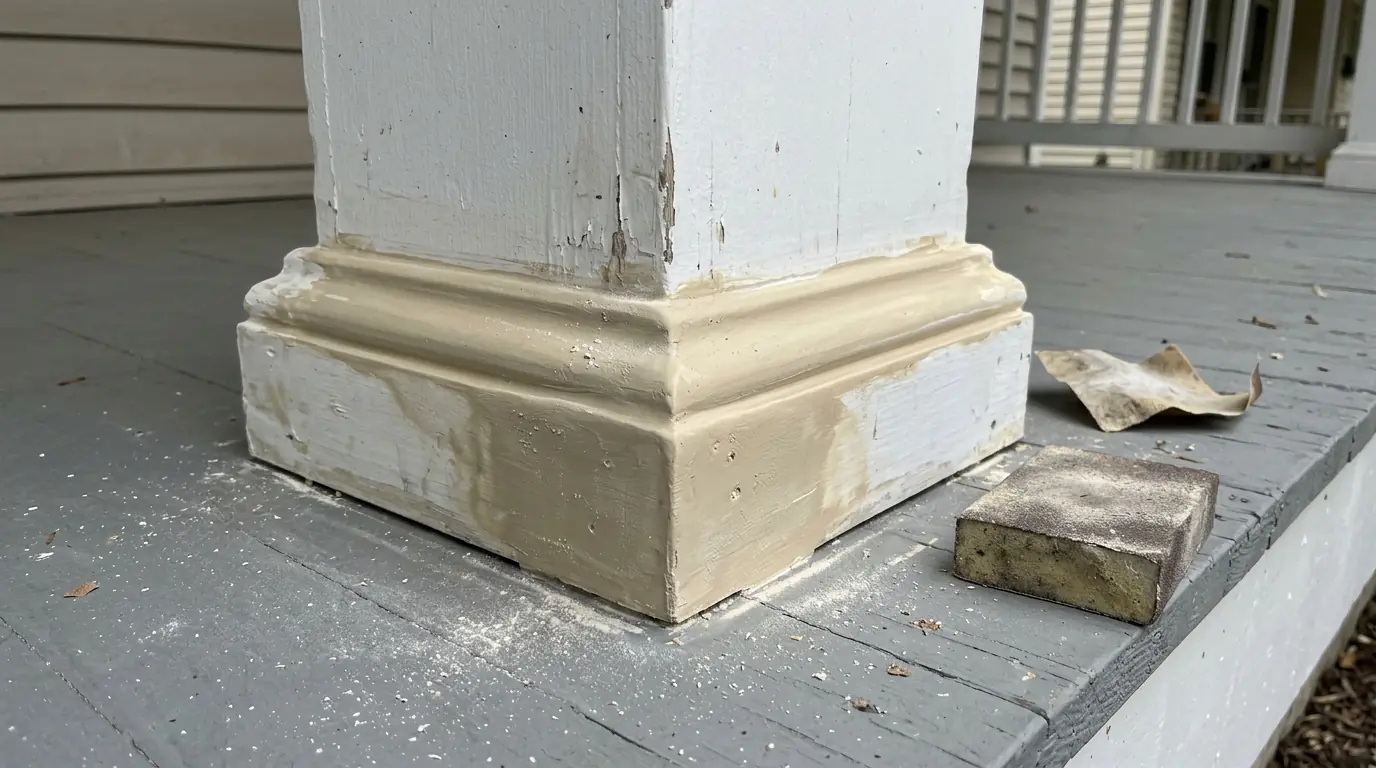
Wood Rot Repair
Rotted trim, sills, fascia, door jambs and column bases repaired with epoxy or replaced with PVC or primed wood, then painted to match.
Talk through your lead-safe painting job
Call any time. We will ask a few questions, set a walkthrough time and put the scope and price in writing.