Commercial painting in Atlanta
New construction painting in Atlanta, timed to your build schedule
On a new build, paint sits between drywall and flooring, cabinets and final trim, and a slow paint crew holds up every trade behind it. The schedule has to hold, and the finish has to survive the punch walk.
We paint new homes, custom builds and additions for builders and owners: drywall primer, spray-and-backroll walls, trim and doors, exterior siding and punch list touch-up. A 3,200 square foot custom home usually takes 8 to 14 working days of paint spread across the build. Typical Atlanta new construction paint runs $2.85 to $4.95 per square foot of floor area. Call (470) 458-0461.
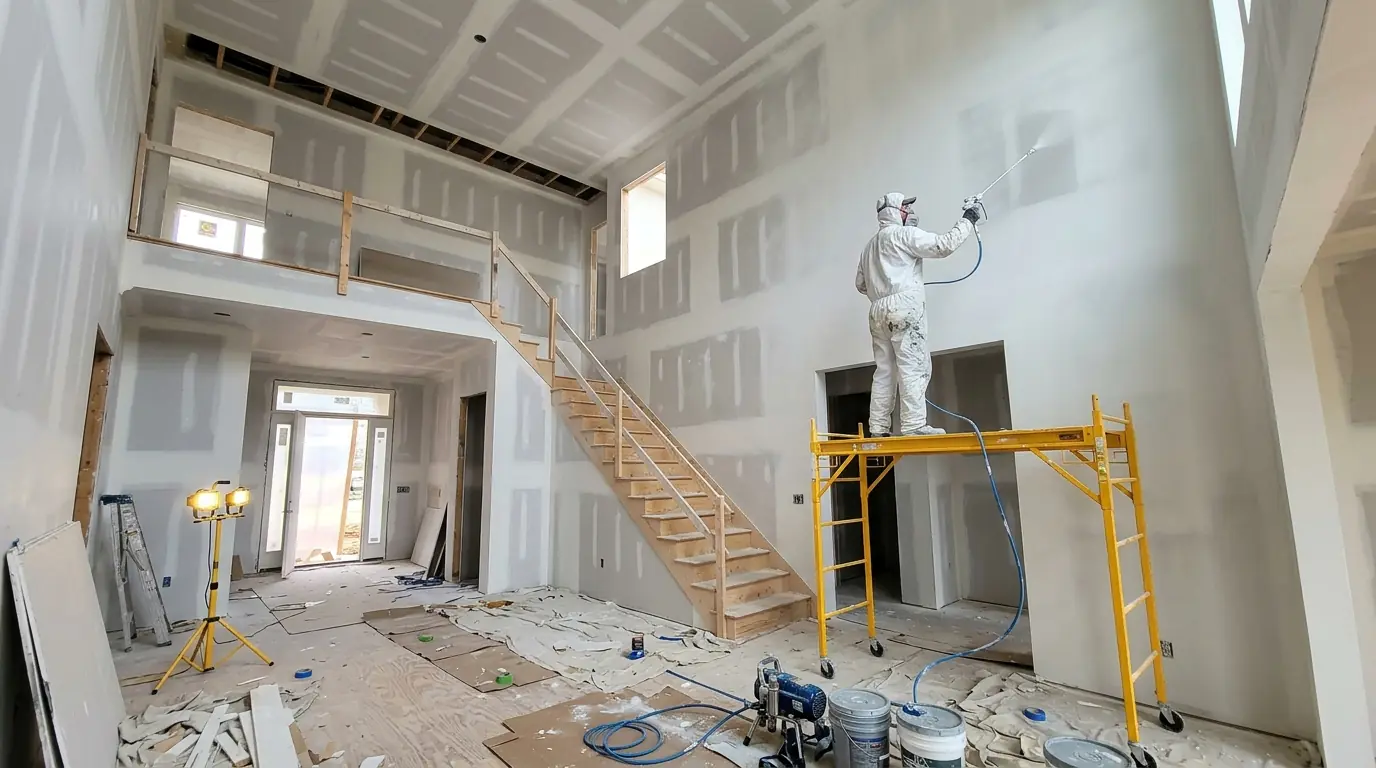
New drywall is thirsty. Paint over bare mud and paper without a proper primer and the joints flash through as dull stripes under raking light, which is exactly what buyers and inspectors notice at the walk. We prime every new wall with a drywall primer first, then spray and backroll the finish so the texture is even across the joints. On a new build, that step does more than anything else to make the paint look right.
Timing is the other part. Interior doors and trim often go faster and cleaner when they're primed and painted before install, or sprayed in place before flooring goes down. We plan paint visits around the builder's schedule: prime after drywall, trim and walls before cabinets and flooring, then a final coat and punch after the other trades have finished knocking into things.
We work for custom builders, small spec builders and owners acting as their own general contractor. Exteriors on new homes, from fiber cement to brick accents, follow the same scheduled approach as our exterior painting work. On builder jobs we keep the same lead painter on each house from primer through punch, so the person walking the final list already knows the house, the colors and where the tricky corners are.
When to call
When to bring the painter into a new build
Drywall is hung and finished
Once the last coat of mud is sanded, walls need primer before dust and humidity settle in. That's the first paint visit on most builds.
Trim package has been delivered
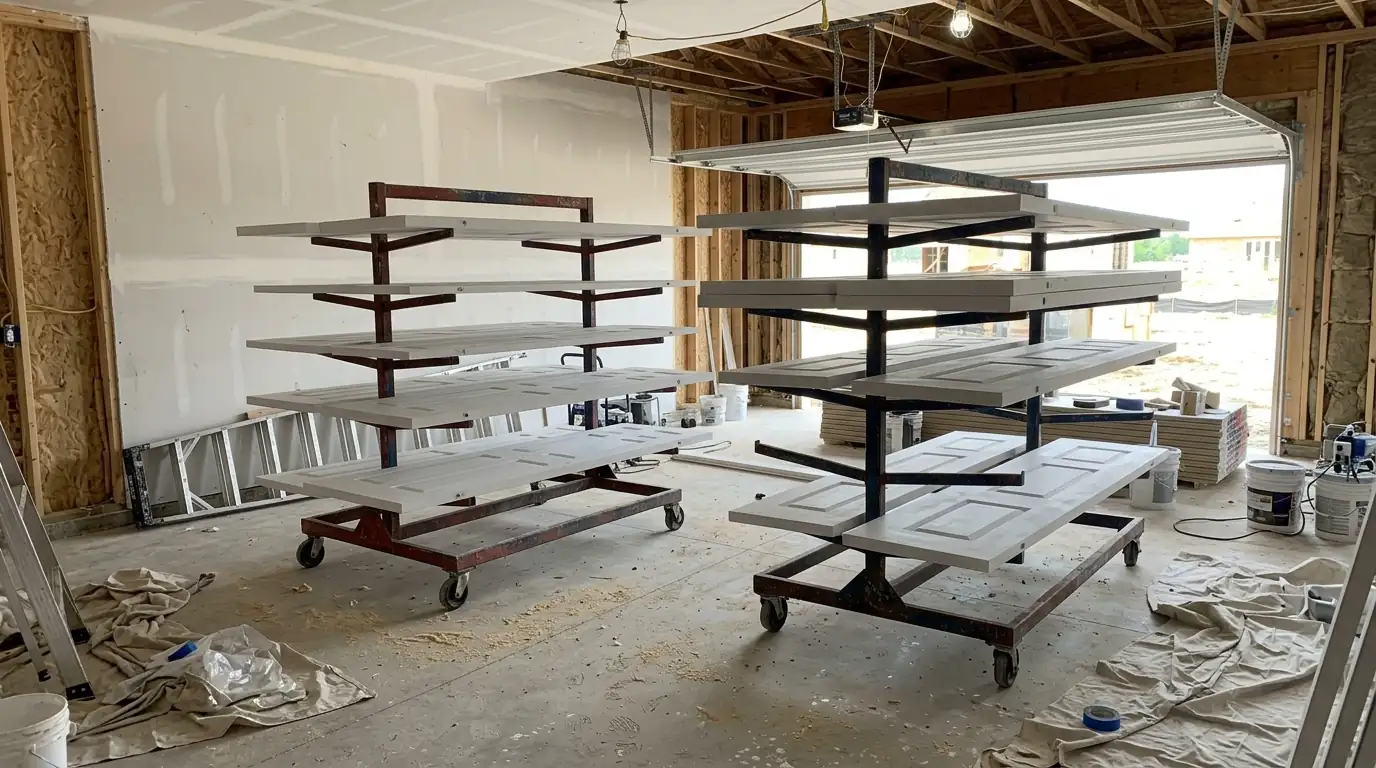
Doors, casing and base sitting in the garage can be primed and painted on racks before install, which is faster and avoids drips on new floors.
Siding and exterior trim are on
Factory primed fiber cement and bare wood trim shouldn't sit through months of Atlanta sun and rain unpainted. Exterior paint should follow siding soon.
Cabinets and floors are scheduled
Walls and ceilings are easiest to spray before cabinets and flooring arrive. The paint schedule should be set before those dates are locked.
Your last painter fell behind
If paint is holding up flooring and closing dates, a crew that can work around other trades and stay on schedule saves the whole timeline.
Punch list is coming
The final walk always turns up dings from appliance delivery, hardware install and cleaning. A painter on call for the punch avoids delays at closing.
Scope of work
What our new construction scope covers
- Drywall primer on all new walls and ceilings to seal joints and even out absorption
- Spray-and-backroll finish coats on walls and ceilings for consistent texture
- Interior doors, casing and base primed and painted before or after install, as scheduled
- Caulking trim joints, nail hole filling and sanding between enamel coats
- Stain or clear finish on stair treads, rails and wood features where specified
- Exterior siding, trim, soffits and doors coated after siding install
- A final coat after other trades finish, plus a punch list visit before closing
- A paint schedule sheet listing every color, sheen and product for the owner
How the job runs
How we fit paint into a new build
| Step | What happens |
|---|---|
| A1 | Plan review and scheduleWe look at plans, finish selections and the build schedule, then agree on paint visits: prime, trim, walls, exterior and punch, each tied to a construction milestone. |
| A2 | Prime after drywallAs soon as drywall is sanded, we blow down dust and spray a drywall primer on walls and ceilings, which also shows any joints that need another skim. |
| A3 | Trim and doorsDoors and trim are sprayed on racks before install or in place before flooring. Nail holes are filled, joints caulked and enamel sanded between coats. |
| A4 | Walls and ceilingsCeilings and walls are sprayed and backrolled with finish coats before cabinets and flooring go in, with masking on windows, outlets and HVAC openings. Outlets and vents are reopened after. |
| A5 | Exterior coatsExterior siding and trim are painted once siding, windows and gutters are on, timed to dry weather and the label temperature limits. Lower courses wait until grading is done. |
| A6 | Final coat and punchAfter the other trades finish, we touch up and apply the last coat where needed, then return for the buyer or owner punch walk before closing. |
Atlanta conditions
Atlanta conditions that affect paint on new construction
Atlanta builds go up through humid summers, and new drywall soaks up moisture from the air when a house isn't yet conditioned. Paint over damp mud dries unevenly and can blister, so we check that HVAC is running or dehumidifiers are set before finish coats. Red clay is everywhere on an active site, tracked in on boots and blown onto fresh exterior paint. We mask lower walls and doorways, and schedule exterior lower siding after grading and landscaping settle the dust.
Most new homes around metro Atlanta use fiber cement siding, often with brick or stone fronts, and some intown infill builds in neighborhoods like Riverside or near the Beltline add board-and-batten or smooth panels. Factory primer on fiber cement is not a finish and starts to break down within months in Georgia sun, so it shouldn't wait long for topcoats. Spring pollen lands on wet paint, so exterior coats in March and April are timed for early mornings after a rinse, and HOA-controlled subdivisions often require color approval before the exterior starts.
Where we do this work most
Built pages for neighborhoods and cities we cover, with ZIP codes.
Typical costs
What new construction painting costs in Atlanta
Builders usually price paint per square foot of heated floor area, then add extras for accent colors, stained wood and exterior work. Custom homes with more trim, built-ins and colors land at the high end. These are typical 2026 metro Atlanta ranges, and the plan review sets the real number.
| Work | Typical range |
|---|---|
| Interior, walls, ceilings, trim and doors | $2.85 to $4.95 per sq ft of floor area |
| Exterior fiber cement siding and trim | $1.45 to $2.65 per sq ft of wall |
| Interior door, primed and painted, both sides | $88 to $155 per door |
| Stained stair treads and handrail | $1,145 to $2,785 per staircase |
Typical Atlanta ranges, not a quote. Your written estimate follows a free walkthrough. Compare other jobs on our painting price guide.
What moves the price
- Total trim and door count
- Number of wall colors and accent walls
- Ceiling height and two-story foyers
- Stained or clear-coated wood features
- How many separate visits the build schedule requires
Primers, paints and spray equipment for new homes
New drywall gets a dedicated primer such as Sherwin-Williams ProMar 200 Zero VOC Primer or PPG Speedhide drywall primer, sprayed and backrolled. Walls usually take a matte or eggshell like Sherwin-Williams ProMar 200 or Benjamin Moore Regal Select, ceilings a flat white. Trim and doors get a waterborne alkyd such as Sherwin-Williams Emerald Urethane or Benjamin Moore Advance, sprayed with a fine-finish tip. Fiber cement exteriors take a 100 percent acrylic in satin or low sheen. We spray with Graco airless rigs and backroll walls with microfiber covers.
Paints, primers and stains our painters work with every week, from Sherwin-Williams and Benjamin Moore to PPG and Romabio.
Questions
New construction painting questions from Atlanta homeowners
Why do drywall joints show through the paint on new homes?
Joint compound and drywall paper absorb paint differently, so without a proper drywall primer the joints dry duller or shinier than the rest of the wall. It shows most under raking light from windows and hallway fixtures. Priming first and backrolling the finish coats evens out absorption and texture. Sometimes a joint also needs another skim coat, which the primer coat reveals early.
Is it better to paint doors and trim before or after install?
Both work, and the choice depends on the schedule and finish. Spraying doors on racks before install gives the smoothest finish and keeps paint off floors. Trim painted after install needs caulking and nail filling first, then coats in place. Most custom builds use a mix: doors painted before hanging, trim primed before install, and the final trim coat after.
How many paint visits does a typical new build need?
Usually four or five: prime after drywall, trim and doors, finish walls and ceilings before flooring and cabinets, exterior once siding is done, and the final touch-up and punch near closing. Bigger custom homes may add a separate visit for stained stairs or built-ins. Each visit is tied to a milestone, so the schedule moves with the build rather than fixed dates.
Can you work for an owner acting as their own general contractor?
Yes. Owner-builders often need more help with sequencing, so we'll explain which trades should come before paint and which after, and what conditions the house needs to be in at each visit. We'll also set up a color and product schedule early so the cabinet, tile and flooring choices don't clash with paint decisions made late.
Should the HVAC be running before interior paint goes on?
Ideally yes. Atlanta humidity soaks into new drywall in an unconditioned house, which slows drying and can lead to blistering or poor adhesion. Running the HVAC or setting dehumidifiers for a few days before primer and finish coats helps the paint cure as it should. If the system isn't live yet, we discuss temporary dehumidification with the builder.
Related work
Jobs that often go with this one
Interior House Painting
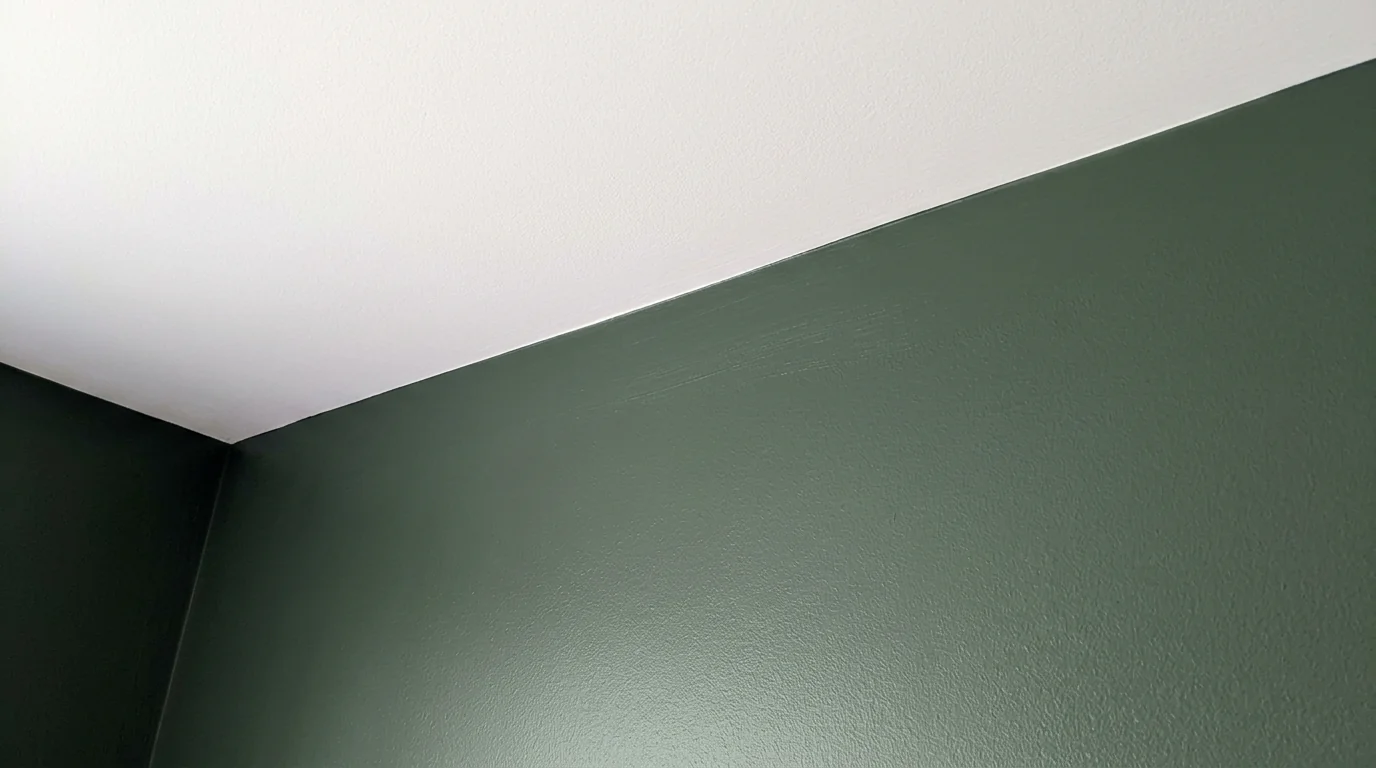
Walls painted room by room or across the whole house, with furniture moved, floors covered and two full coats rolled over clean cut lines.
Fiber Cement Siding Painting
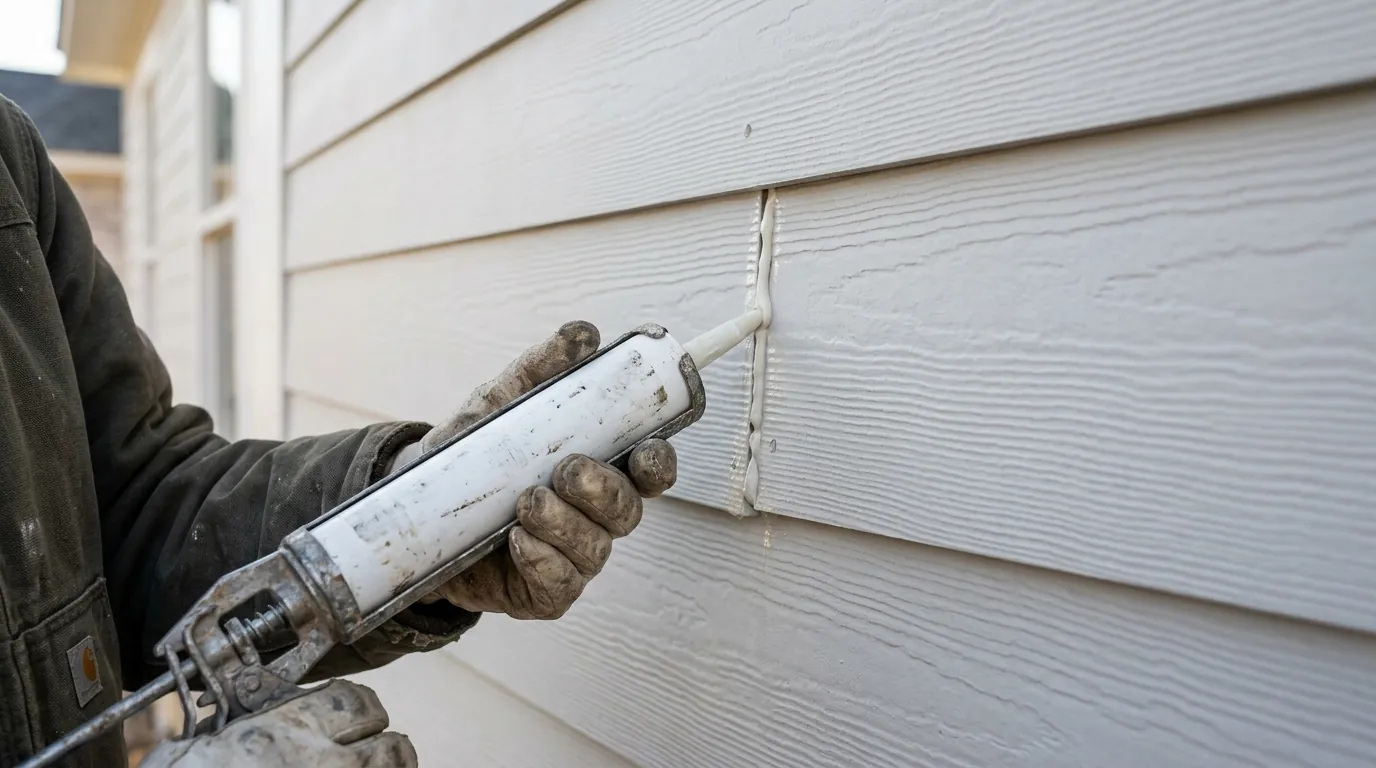
Repainting fiber cement lap and panel siding on Atlanta's 2000s subdivision homes, with butt-joint caulking and 100% acrylic finishes.
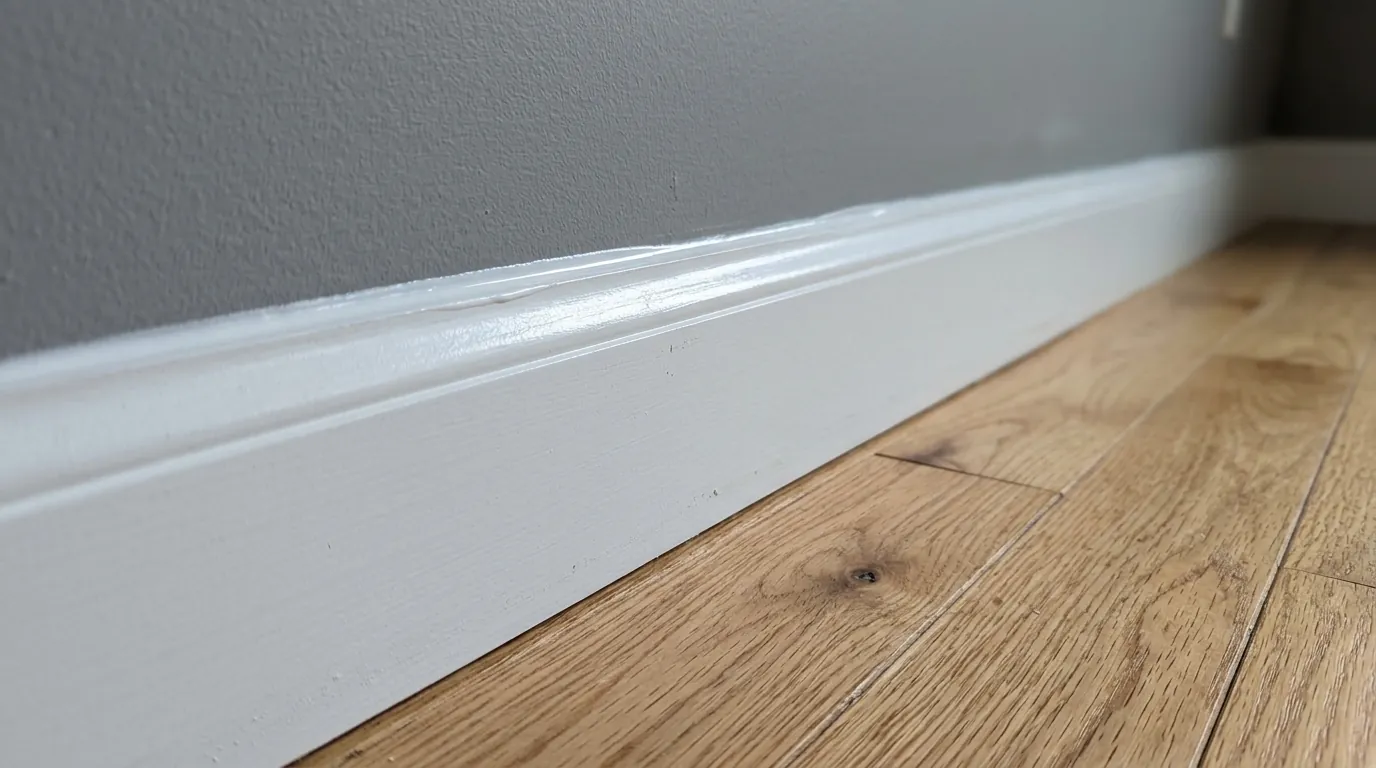
Trim, Door & Baseboard Painting
Baseboards, crown, casings and interior doors sanded, caulked and finished in a hard enamel that resists scuffs and wipes clean.
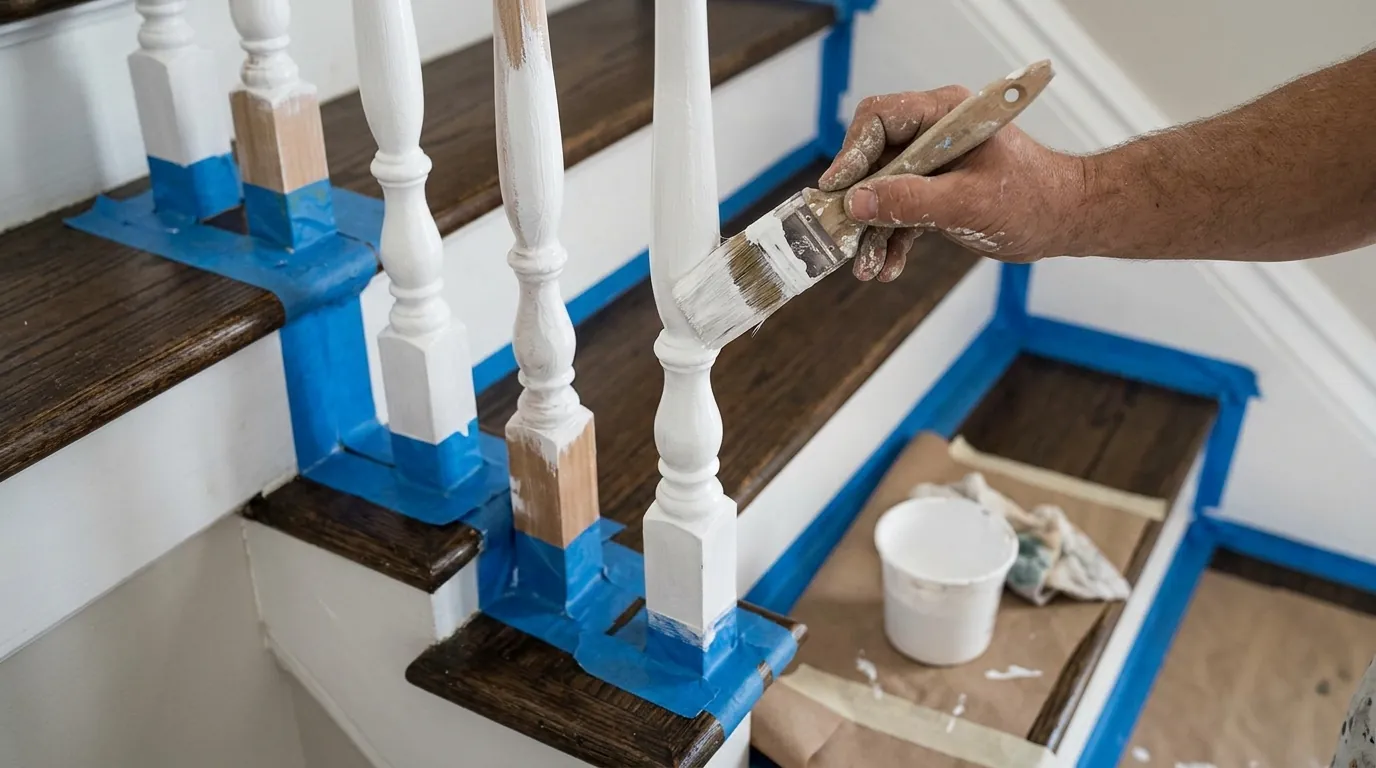
Staircase & Railing Painting
Risers, stringers, handrails and spindles painted by hand, with treads finished in floor-grade paint or kept stained for a classic two-tone stair.
Talk through your new construction painting job
Call any time. We will ask a few questions, set a walkthrough time and put the scope and price in writing.