Commercial painting in Atlanta
Church and school painting in Atlanta around services and school calendars
A sanctuary has to be ready for Sunday, a school has to reopen on time in August, and a daycare can't have paint fumes where toddlers nap. The schedule is fixed, and the paint has to be safe and tough.
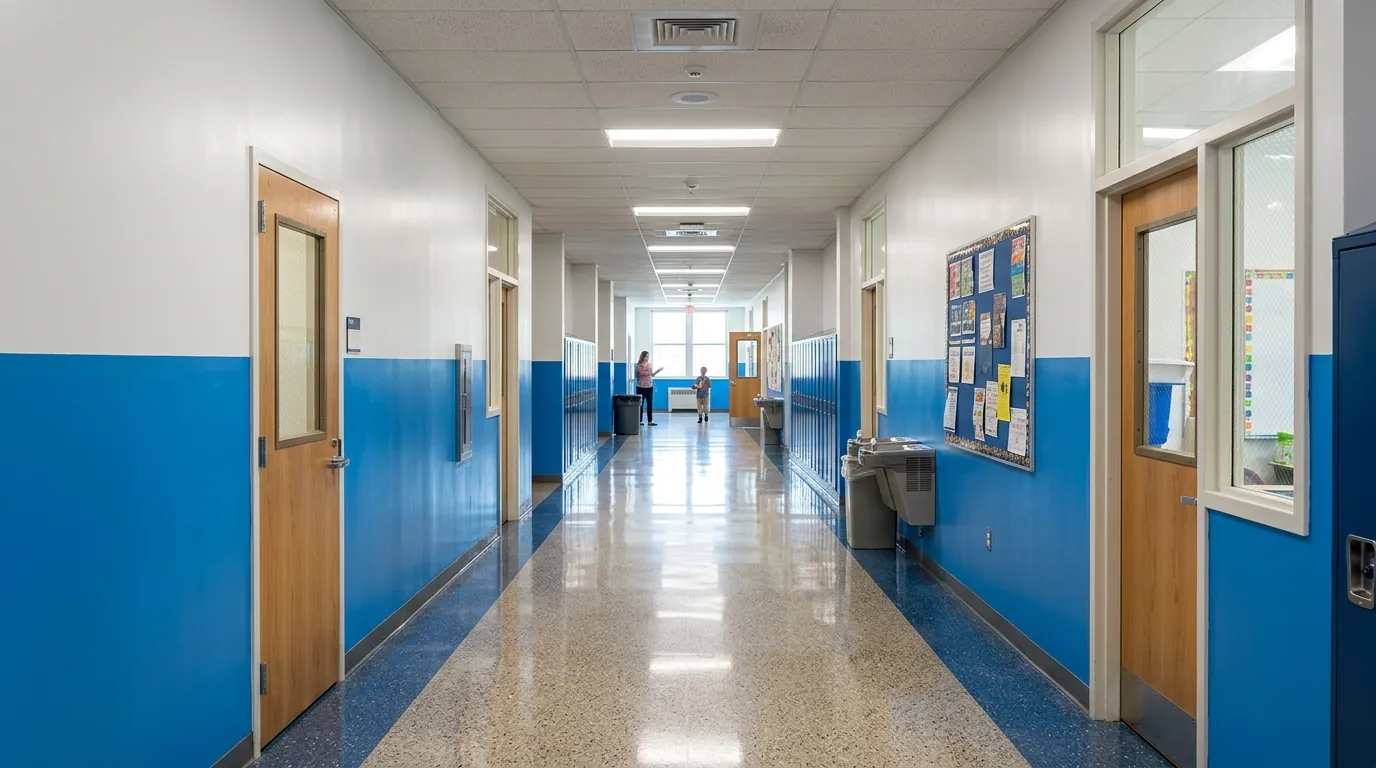
We paint churches, private schools, daycares and fellowship halls, scheduling around worship services, school calendars and summer break. Sanctuaries with high ceilings use lifts; classrooms and hallways get low-VOC washable paint. A typical summer school repaint takes 2 to 5 weeks. Atlanta costs usually run $1.45 to $3.35 per square foot of wall, more for tall sanctuaries. Call (470) 458-0461.
Churches and schools run on calendars that don't move. A church may have services on Sunday, Wednesday night and a wedding Saturday, and a school's window is the gap between the last day of classes and teacher workdays. We build the schedule from that calendar first: which spaces can be closed when, which ones need to be usable each weekend, and what has to be done before the first bell.
Children and congregations bring their own needs. Daycares and classrooms get zero-VOC or low-VOC paint, and occupied areas are never painted while children are present. Hallways take scuffs from backpacks and carts, so those walls need a washable finish that survives cleaning crews. Sanctuaries need lifts, careful protection of pews, instruments and stained glass, and an even finish on tall walls where every flaw shows under the light.
Many campuses also have metal lockers, door frames and railings that are worn out long before the walls. Those can be refinished in place with electrostatic painting during the same break. Doing both in the same window means one round of protection, one cleanup and one final walkthrough with facilities staff, instead of closing hallways twice in a school year.
When to call
Signs a church or school needs repainting
Backpack marks in hallways
Dark bands at backpack height and chipped corners along school hallways show the paint can't be cleaned anymore without wearing through.
Water stains on sanctuary ceilings
Brown rings on high ceilings mean a past roof or HVAC leak. Once the leak is fixed, stains need a stain-blocking primer before repainting.
Peeling paint in older buildings
Older church buildings and schools often have many layers of paint. Peeling or alligatoring finishes need testing for lead and careful prep.
Faded nursery and classroom colors
Bright classroom and nursery colors fade and get scuffed quickly. A fresh, washable finish makes rooms easier to clean and more welcoming.
Enrollment season or a capital campaign
Open houses for new families and fundraising campaigns often push leaders to refresh entryways, hallways and sanctuaries before visitors arrive.
Dull or chalky exterior trim
Steeples, fascia and exterior doors on churches face full sun and weather, and peeling trim on a tall building gets expensive to reach later.
Scope of work
What our church and school painting work includes
- A schedule built around services, events, school calendars and summer break
- Protection of pews, altars, instruments, stained glass and classroom furniture
- Lifts and scaffolding for sanctuaries, gyms and other high-ceiling spaces
- Stain-blocking primer on water-stained ceilings and walls
- Low-VOC and zero-VOC paint in classrooms, nurseries and daycare rooms
- Washable, scuff-resistant finishes in hallways, stairwells and cafeterias
- Lead-safe prep in buildings painted before 1978
- Exterior trim, doors and steeples painted when weather and schedule allow
How the job runs
How we plan and paint around a church or school calendar
| Step | What happens |
|---|---|
| A1 | Walkthrough with facilities staffWe walk the campus with the facilities manager or pastor, note spaces, ceiling heights, damage and building age, and gather the calendar of services, classes and events. |
| A2 | Calendar-based planThe estimate assigns each area to specific dates: classrooms during summer, the sanctuary between Sundays, and hallways in sections so every building stays open where needed. |
| A3 | Protect and set upPews, furniture and instruments are covered or moved, stained glass is masked, and lifts or scaffolding are set up only in spaces closed for that phase. |
| A4 | Prep and repairWalls are cleaned, holes and cracks patched, stains sealed, and any paint likely to contain lead is tested and handled with lead-safe practices. Floors are covered along every path. |
| A5 | Paint and air outFinish coats go on with rollers and sprayers where appropriate, and spaces are ventilated so they're ready before children, staff or congregations return. Each sealed stain is checked before topcoats. |
| A6 | Walk and hand backWe walk each space with staff, fix any marked spots, reset furniture and hand back rooms in time for services or the start of classes. |
Atlanta conditions
Atlanta buildings and seasons that shape church and school painting
Many Atlanta churches and private schools sit in older buildings: brick sanctuaries from the 1920s through the 1960s, additions from later decades, and portable classrooms or newer wings. Older buildings may have lead paint on trim and windows and plaster walls with hairline cracks that need proper repair before paint. Tall sanctuaries in places like Decatur and intown Atlanta have high walls where humidity and HVAC cycles have stressed old finishes, so we check adhesion before deciding whether to scrape fully or spot prep.
School summer break in metro Atlanta usually runs from late May to early August, which overlaps with the hottest, most humid weeks of the year. Interior painting in closed buildings can slow down when HVAC is turned off for summer, so we ask facilities teams to keep air moving during our weeks on site. Exterior trim and steeple work is planned for dry mornings ahead of afternoon storms, and pollen season in spring pushes most exterior work to late spring or fall.
Where we do this work most
Built pages for neighborhoods and cities we cover, with ZIP codes.
Typical costs
What church and school painting usually costs in Atlanta
Church and school pricing depends on ceiling heights, how many spaces must stay open, and how much prep older buildings need. Sanctuaries and gyms cost more per square foot because of lifts and protection. These are typical 2026 metro Atlanta ranges; the walkthrough sets your number. Exterior steeple and trim work is priced separately.
| Work | Typical range |
|---|---|
| Classroom, walls and trim, low-VOC paint | $615 to $1,245 per classroom |
| Hallways and stairwells, washable finish | $1.45 to $2.65 per sq ft of wall |
| Sanctuary walls with lift access | $2.35 to $3.35 per sq ft of wall |
| Daycare or nursery room, zero-VOC paint | $485 to $935 per room |
Typical Atlanta ranges, not a quote. Your written estimate follows a free walkthrough. Compare other jobs on our painting price guide.
What moves the price
- Ceiling height and lift requirements
- Calendar windows and phasing
- Lead testing and lead-safe prep in older buildings
- Water stains and plaster repair
- Protection of pews, instruments and stained glass
Paints we use for churches, schools and daycares
Classrooms and daycares get zero-VOC paints such as Benjamin Moore Natura or Sherwin-Williams Harmony in eggshell, which keep odor low and wipe clean. Hallways and stairwells take a scuff-resistant finish such as Benjamin Moore Scuff-X or Sherwin-Williams ProMar 200 in eggshell or satin, often with semi-gloss on doors and trim. Water-stained ceilings are sealed with a stain-blocking primer like Zinsser Cover Stain, then finished in flat white. Sanctuary walls usually take a matte or low-sheen finish to keep light from glaring on tall surfaces.
Paints, primers and stains our painters work with every week, from Sherwin-Williams and Benjamin Moore to PPG and Romabio.
Questions
Church & school painting questions from Atlanta homeowners
Can you paint a sanctuary between Sunday services?
Often yes. We plan sanctuary work from Monday to Friday, using lifts and drying times that let the room be cleaned and reset by Saturday. Pews, instruments and the altar area are covered and protected, and we leave the space ready for a final walk with church staff before the weekend. Larger sanctuaries may need two or three weeks of weekday work.
How do you keep paint fumes away from children in daycares and schools?
We use zero-VOC or low-VOC paint in rooms children use, never paint while children are in the room, and ventilate spaces before they reopen. Many daycare projects are done on weekends or evenings so rooms have time to air out overnight. If a center has specific health rules for staff and children, we follow those in the schedule.
Can you finish a full school repaint during summer break?
Most private schools can be repainted inside in two to five weeks, depending on size. We schedule classrooms, hallways, gyms and common areas around summer camps, cleaning crews and teacher workdays. The phase plan lists which areas are done each week so facilities staff can plan floor waxing and furniture moves around it.
What is the safest way to handle peeling paint in an old church?
First we test suspect paint for lead, especially on trim, windows and doors in buildings painted before 1978. If lead is present, we use lead-safe work practices: containment, careful wet scraping and cleanup with HEPA vacuums. If it's lead-free, standard scraping and sanding apply. Either way, loose paint is removed, edges are feathered and bare areas primed before repainting.
Do you paint gymnasiums and cafeterias with high ceilings?
Yes. Gyms and cafeterias usually need lifts and sometimes dryfall coatings on exposed ceilings and structure. Walls get tough, washable finishes, and floor surfaces are fully covered. We schedule gym painting around athletics and summer camps, and cafeteria work around food service, so kitchens and serving areas stay protected throughout.
Related work
Jobs that often go with this one
Commercial Painting
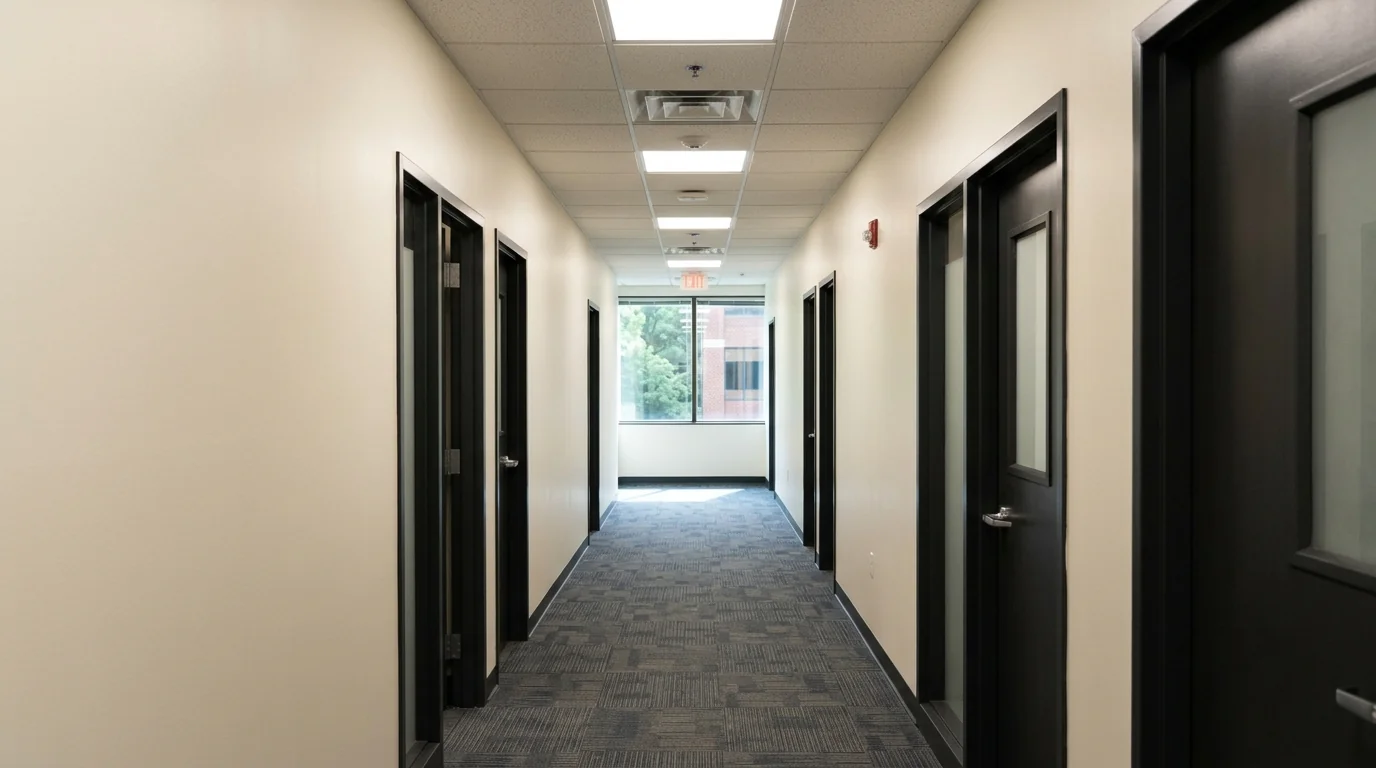
Offices, storefronts, industrial flex space and common areas painted after hours or in phases, with coatings chosen for traffic and cleaning.
Lead-Safe Painting
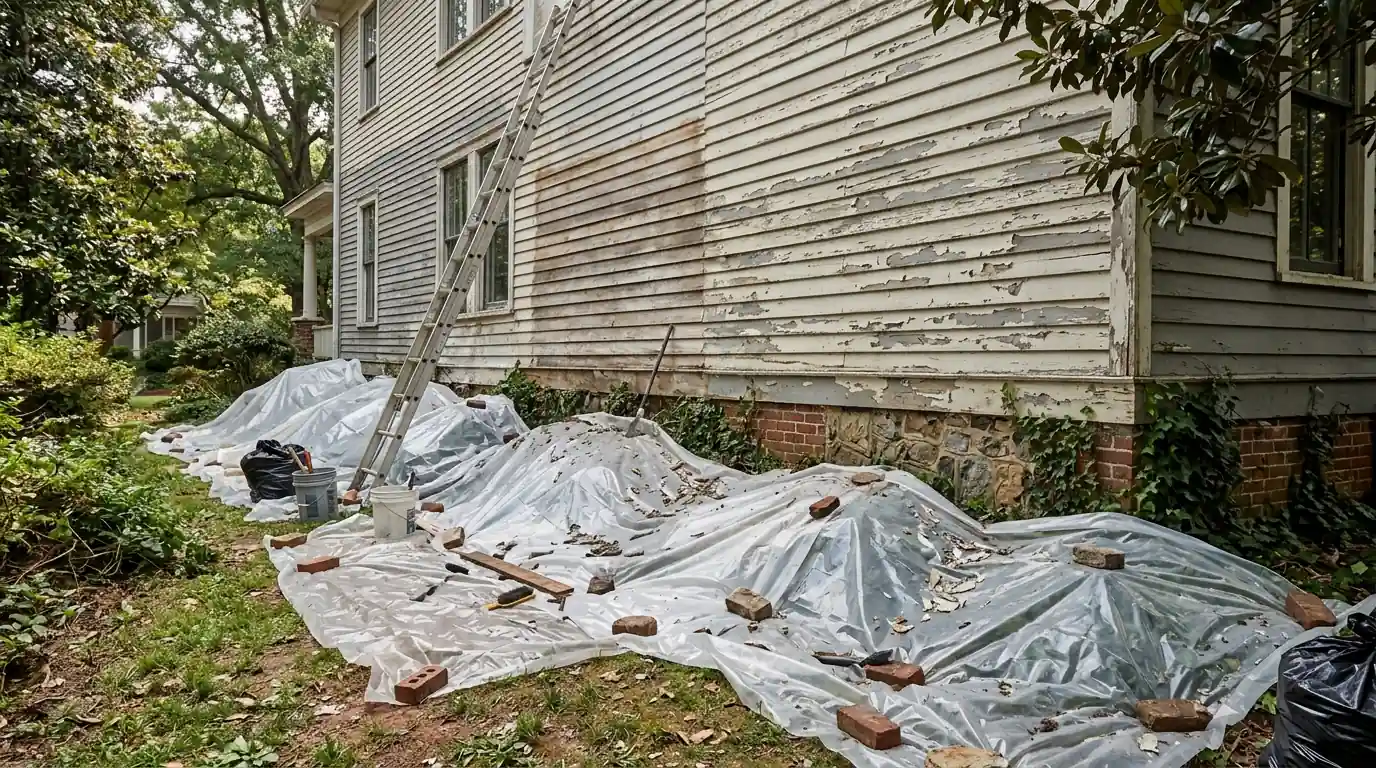
Painting on homes built before 1978 using EPA lead-safe work practices: containment, wet methods, HEPA cleanup and cleaning verification.
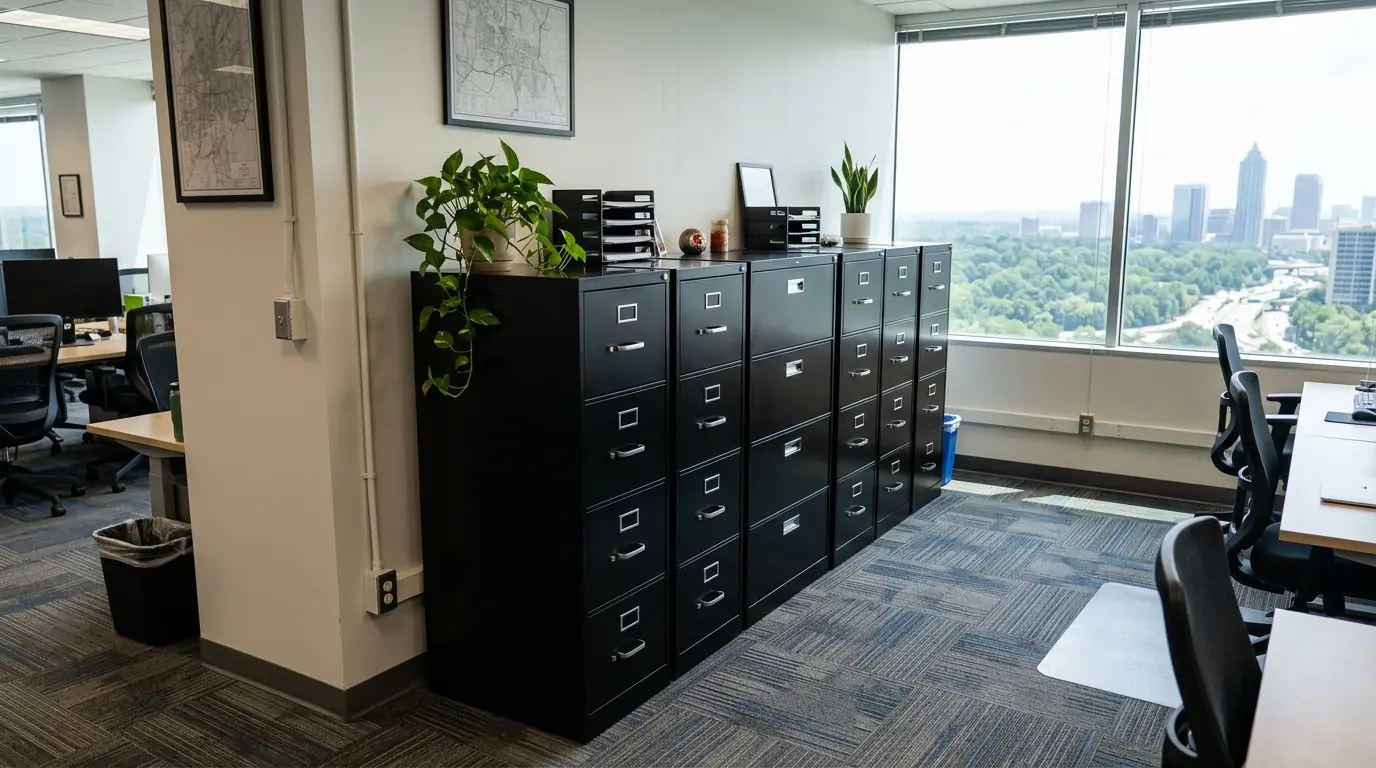
Electrostatic Painting
On-site electrostatic painting of metal furniture, lockers, door frames, railings and elevator doors, refinished in place without hauling items away.
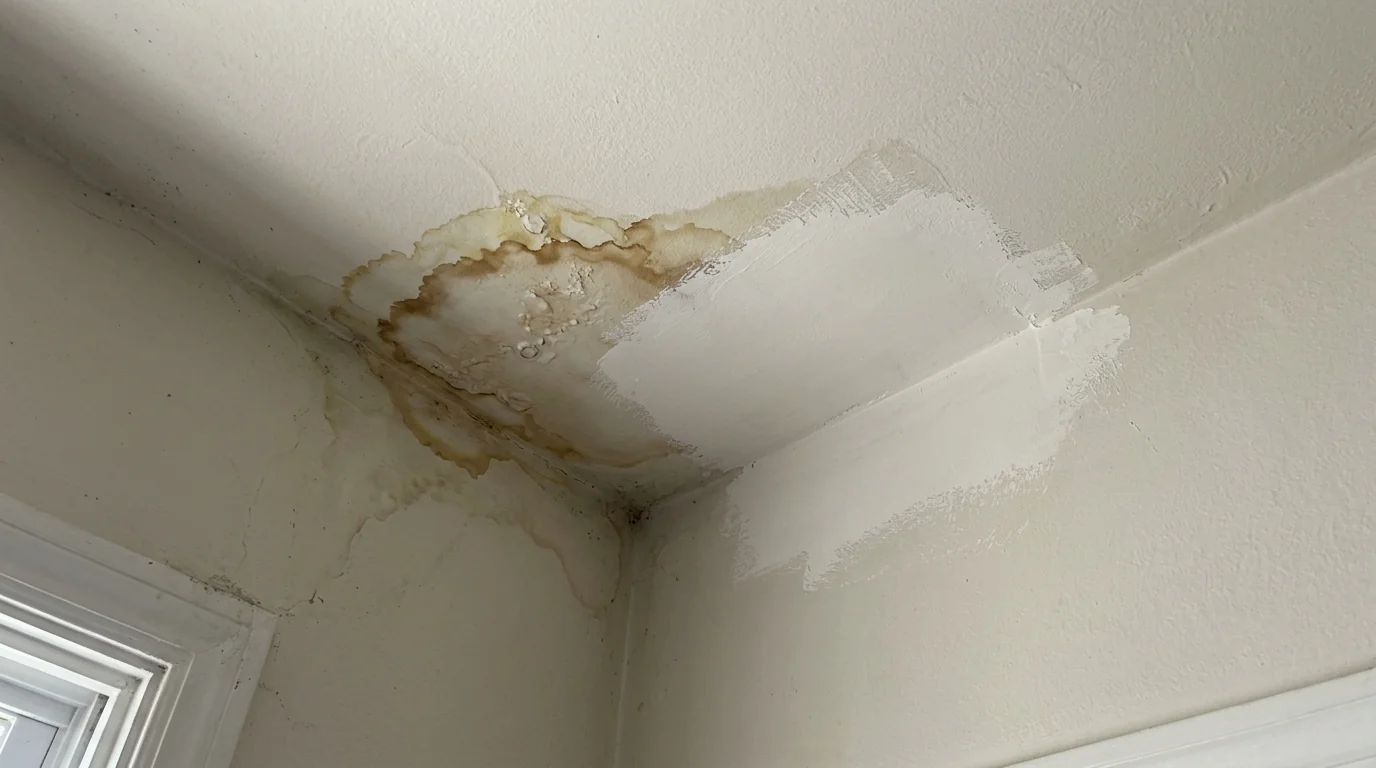
Ceiling Painting
Flat ceiling paint rolled without lap marks, water stains sealed with stain-blocking primer, and tall or vaulted ceilings reached safely.
Talk through your church & school painting job
Call any time. We will ask a few questions, set a walkthrough time and put the scope and price in writing.