Exterior painting in Atlanta
Exterior house painting in Atlanta, prepped right and finished in two coats
Peeling clapboard, chalky siding and caulk that has split at every corner are what send most Atlanta homeowners looking for exterior painters. We repaint whole houses the slow way: wash, scrape, sand, caulk, spot prime, then two full coats.
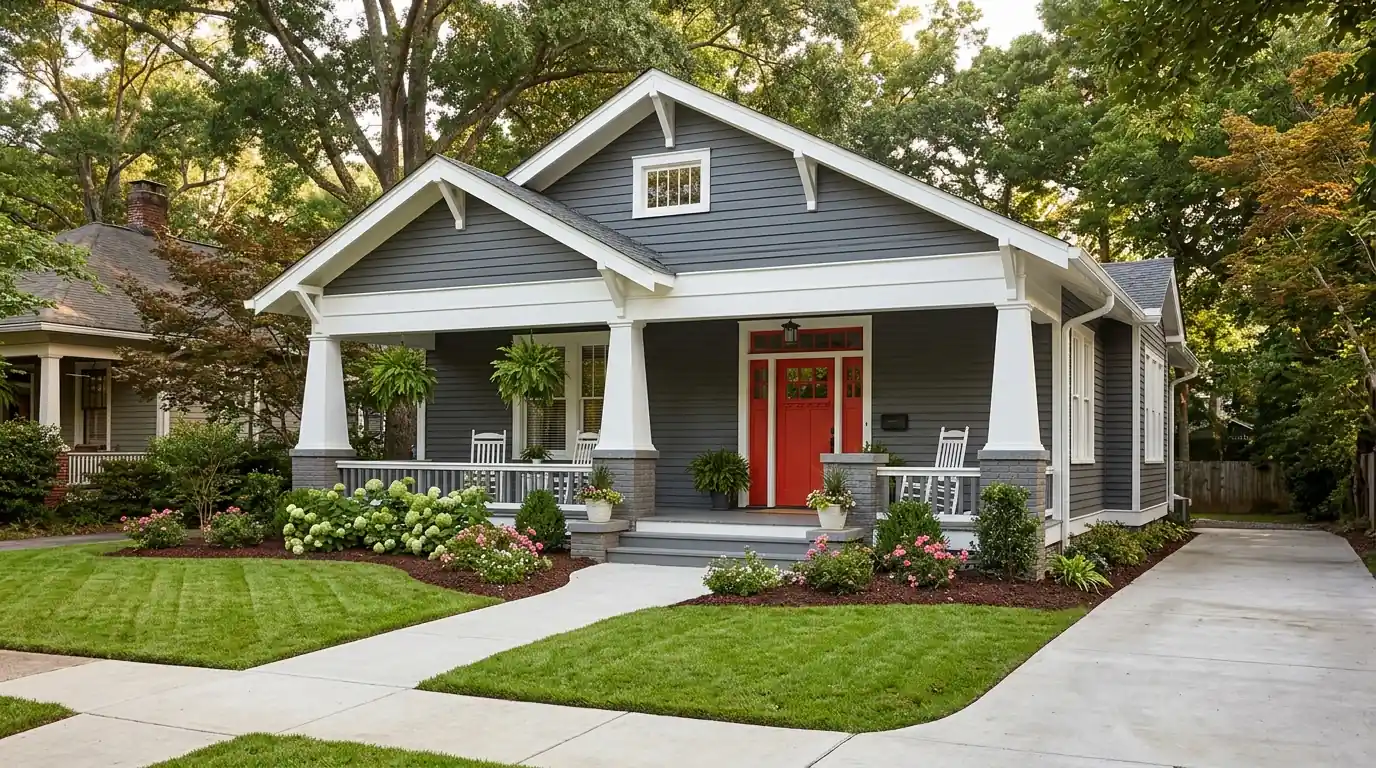
We repaint full house exteriors across metro Atlanta, from wood clapboard bungalows to mixed brick and siding two-stories. A typical job takes 4 to 9 working days depending on size, prep and weather. Most two-story homes land between $6,450 and $11,870, including washing, scraping, caulking, spot priming and two finish coats. Call (470) 458-0461 for a free on-site walkthrough and written estimate.
An exterior repaint is mostly prep. The paint you see is the last two days of a job that starts with a wash, then hours of scraping loose paint off clapboard, sanding the edges flat so they don't telegraph through, and digging out caulk that has gone hard. Skip any of that and the new coat fails in the same places the old one did, usually within two or three summers.
Our painters work one elevation at a time, finishing a side before moving to the next instead of leaving four walls half done. We protect plants, decks and walkways, mask windows and hardware, and pick up the site at the end of each day. If we find soft wood while scraping, we stop and show you before anything is replaced, and the fix goes through our rot repair process rather than being caulked over.
Plenty of Atlanta houses aren't one material. A 1960s ranch might be brick on the front with wood siding on the gable ends; a 2000s two-story may pair fiber cement lap with cedar shake accents and synthetic stucco on the bump-outs. Each surface gets the primer and caulk it needs, and the color schedule ties them together so the house reads as one finished exterior.
When to call
Signs your exterior is ready for a repaint
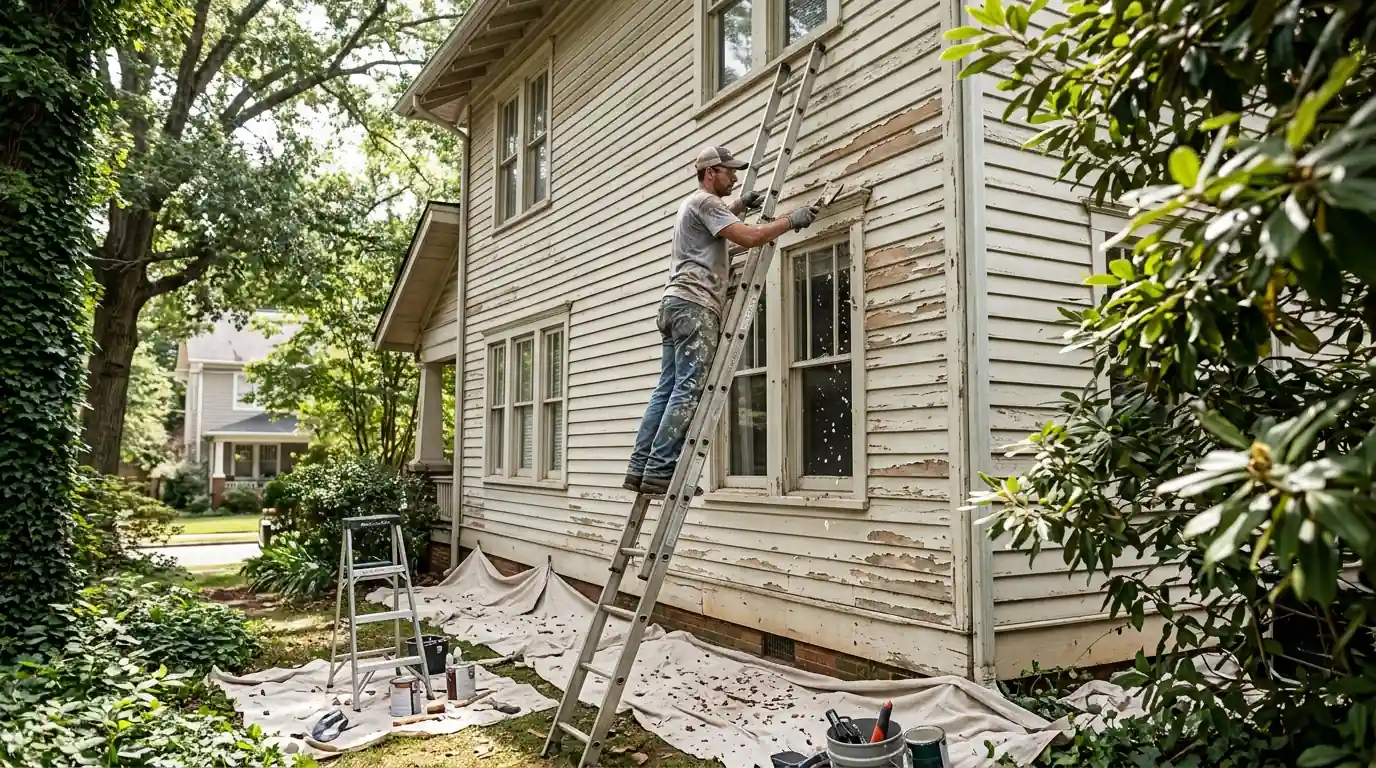
Paint peeling to bare wood
When the coating lifts in sheets on clapboard or window trim, water is getting behind it. Every month it stays open, the wood absorbs more moisture and the eventual repair gets bigger.
Chalk on your palm
Rub the siding and look at your hand. A heavy white or colored powder means the binder has broken down under UV, and the paint no longer sheds water the way it should.
Cracked or missing caulk
Gaps at corner boards, window casings and trim seams let rain run straight into the wall. Caulk usually fails before paint does, and it is the cheapest thing to fix early.
Fading on the south and west sides
Uneven color between the sunny and shaded sides of the house shows the pigment is breaking down. The faded walls are usually the thinnest and closest to failure.
Mildew that returns after washing
Dark streaks that come back within weeks on north walls mean the old film has gone porous. A fresh coating with mildewcide holds up far longer than repeated washing.
Chipped spots after storms
Hail, blown limbs and wind-driven rain knock paint off fascia and lower siding. Patching a few spots works once; widespread chips mean the film has lost adhesion.
Scope of work
What a full exterior repaint includes
- Low-pressure wash of every painted surface to remove pollen, mildew, chalk and red clay splash
- Hand scraping of all loose and peeling paint, followed by sanding of feathered edges
- Removal of failed caulk and new elastomeric caulk at joints, corners and trim seams
- Spot priming of bare wood, knots, rust spots and repairs with a matched exterior primer
- Two finish coats on siding, trim, fascia and soffits, brushed, rolled or sprayed as suited
- Doors, shutters, railings and garage doors painted on the color schedule you approve
- Masking of windows, fixtures, roofing and hardscape, with drop cloths over beds and decks
- A final walk with you to mark touch-ups before we leave the site
How the job runs
How we take an exterior from wash day to final walk
| Step | What happens |
|---|---|
| A1 | Walkthrough and written estimateWe walk every side of the house, check paint adhesion with tape, probe suspect trim for rot and measure the surfaces. You get a written estimate listing prep, products, colors and the number of coats. |
| A2 | Wash and dry timeWe wash at low pressure with a mildew cleaner, rinse thoroughly and let the house dry for at least a full day, longer on shaded walls, before any scraping or priming begins. |
| A3 | Scrape, sand and repairLoose paint comes off by hand. Edges get sanded smooth, nail heads are set and spotted, and soft wood is flagged for repair. On pre-1978 homes we follow EPA lead-safe practices during this step. |
| A4 | Caulk and primeOpen joints are cleaned out and recaulked. Bare wood, knots and new boards get primer the same day they are exposed, so nothing sits raw through an afternoon storm. |
| A5 | Two finish coatsBody color goes on first, then trim, doors and accents. We respect the recoat window printed on the label and stop work when rain is forecast within the cure time. |
| A6 | Walk and touch-upWe walk the house with you, mark anything that needs attention with blue tape and fix it before we pack up. Leftover paint is labeled by color and location for later touch-ups. |
Atlanta conditions
Painting around Atlanta weather, pollen and shade
Our scheduling follows the forecast more than the calendar. Summer afternoons often bring thunderstorms by three or four o'clock, so we start early and plan coats so each one gets its rated dry time before rain. In March and April, yellow pine pollen coats everything within hours, which means a house washed on Monday may need a quick rinse again before priming on Wednesday. Fall is the most forgiving season, though cold mornings below the label minimum push start times later.
Atlanta's tree canopy creates two houses in one. The sunny south and west walls fade and chalk fast, while the north side under oaks stays damp, grows mildew and holds moisture in the wood. We test moisture on shaded walls before priming, add mildewcide where it helps, and often suggest a slightly lower sheen on the sunny sides. Red clay splash along the bottom few feet of siding gets scrubbed separately, since it stains through light colors if left in place.
Where we do this work most
Built pages for neighborhoods and cities we cover, with ZIP codes.
Typical costs
What exterior house painting costs in Atlanta
Most of the price is labor, and most of the labor is prep. A house with tight paint and good caulk costs far less than one that needs scraping on every board. The ranges below are typical for metro Atlanta in 2026 and assume two finish coats; your written estimate reflects what we actually find on site. Our Atlanta painting price guide covers other projects.
| Work | Typical range |
|---|---|
| One-story ranch, about 1,500 to 2,000 sq ft | $3,850 to $6,940 |
| Two-story home, about 2,400 to 3,200 sq ft | $6,450 to $11,870 |
| Large or complex home, 3,500 sq ft and up | $10,950 to $18,740 |
| Siding and trim, per sq ft of painted surface | $1.95 to $4.35 per sq ft |
Typical Atlanta ranges, not a quote. Your written estimate follows a free walkthrough. Compare other jobs on our painting price guide.
What moves the price
- How much paint is peeling and needs scraping
- Number of stories and how the ground slopes
- Rot repair and board replacement found during prep
- Trim detail, shutters and number of colors
- Lead-safe practices on homes built before 1978
- Mixed materials that need different primers
Paints, primers and caulks on a typical repaint
On siding and trim we usually use 100% acrylic exterior paints such as Sherwin-Williams Duration or Emerald, Benjamin Moore Aura or Regal Select, or PPG Timeless, depending on budget and color. Bare wood gets an oil-based or bonding primer like Zinsser Cover Stain or Sherwin-Williams Exterior Oil-Based Wood Primer. Joints get a paintable elastomeric sealant that stays flexible through summer heat. Satin on the body and semi-gloss on trim is our default, with Purdy brushes for cutting in and Graco sprayers where back-rolling follows.
Paints, primers and stains our painters work with every week, from Sherwin-Williams and Benjamin Moore to PPG and Romabio.
Questions
Exterior house painting questions from Atlanta homeowners
How many days will my house be covered in drop cloths and ladders?
A single-story ranch with sound paint usually takes four to five working days. A two-story with heavy scraping and some carpentry can run eight or nine. Rain days push the schedule, because we don't prime or paint wet wood. You'll get a start date and a daily outline, and we'll tell you each evening what's planned for the next morning.
Do I need to be home while you paint the outside?
No. Most homeowners are at work for much of the job. We need access to exterior outlets and a hose bib, and it helps to know which windows can stay closed. Pets should stay inside or away from the work area. We'll ask you to be around for the color check on the first day and for the final walk.
Will one coat be enough if I'm keeping the same color?
Rarely. One coat over a faded wall leaves thin spots on edges and texture that show within a year or two. Two coats give the film thickness the manufacturer rates for durability. The exception is a recently painted, well-adhered surface where we're only refreshing trim, and we'll say so in the estimate if that applies.
What happens if you find rotten wood during scraping?
We stop and show you. Small soft spots can be cut out and filled with an epoxy consolidant; larger damage means replacing the board with primed pine, cedar or fiber cement trim. You approve the repair and its price before we go ahead, so there are no surprises on the final invoice.
Can our HOA review the colors before you start?
Yes. Many metro Atlanta HOAs want paint chips or a written color schedule before approving an exterior change. We can paint sample boards and patches on the house, list the exact color names and sheens, and give you a page to send to the architectural committee. Work starts once you have their approval in hand.
Related work
Jobs that often go with this one
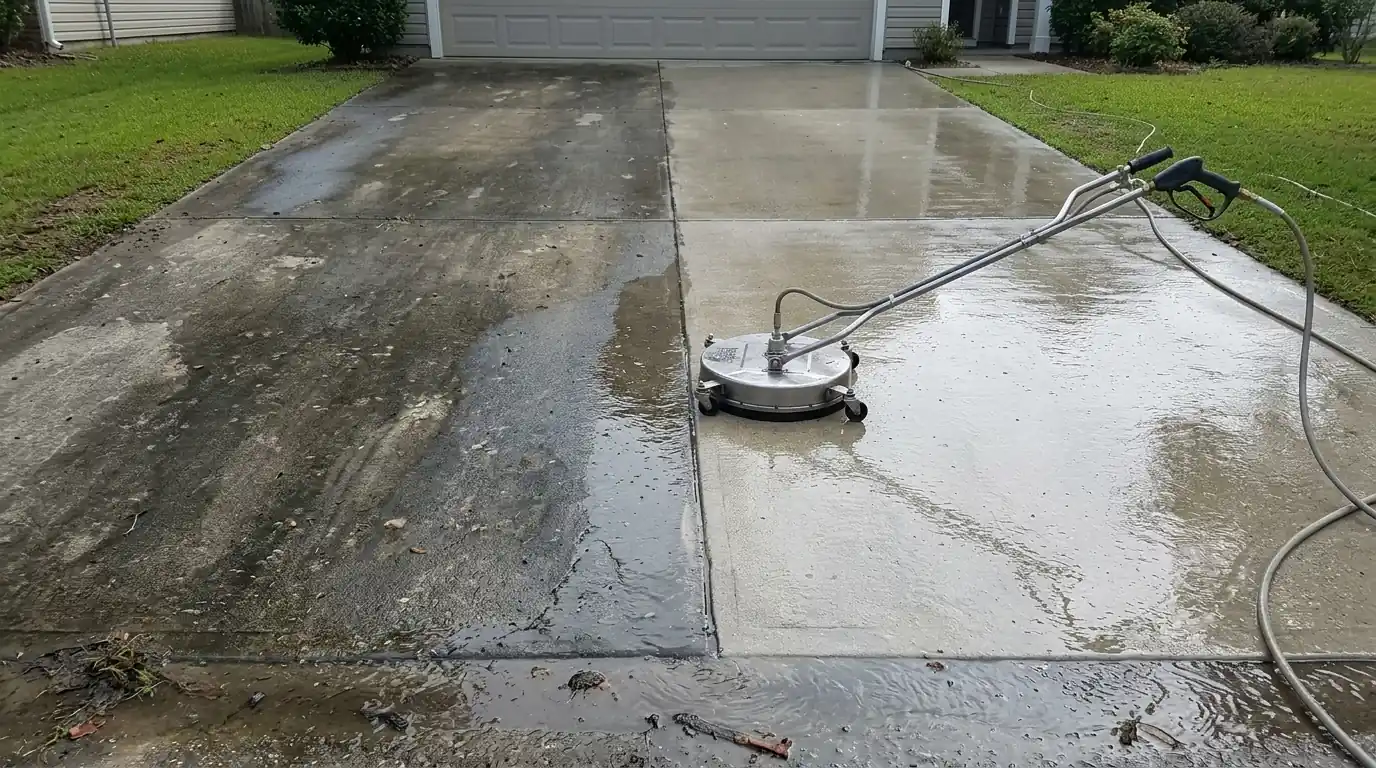
Pressure Washing
Soft wash for siding and pressure washing for concrete, clearing mildew, algae, pollen and red clay before paint or on its own.
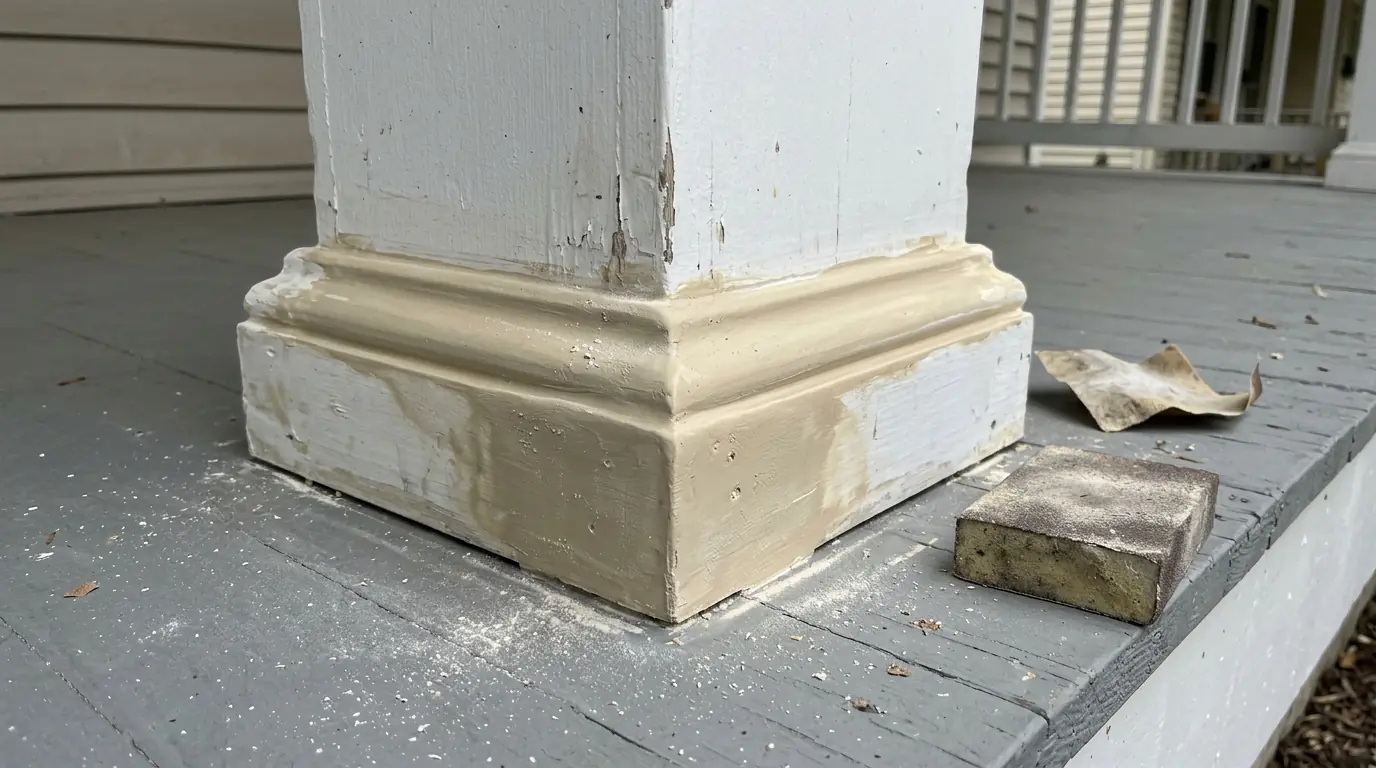
Wood Rot Repair
Rotted trim, sills, fascia, door jambs and column bases repaired with epoxy or replaced with PVC or primed wood, then painted to match.
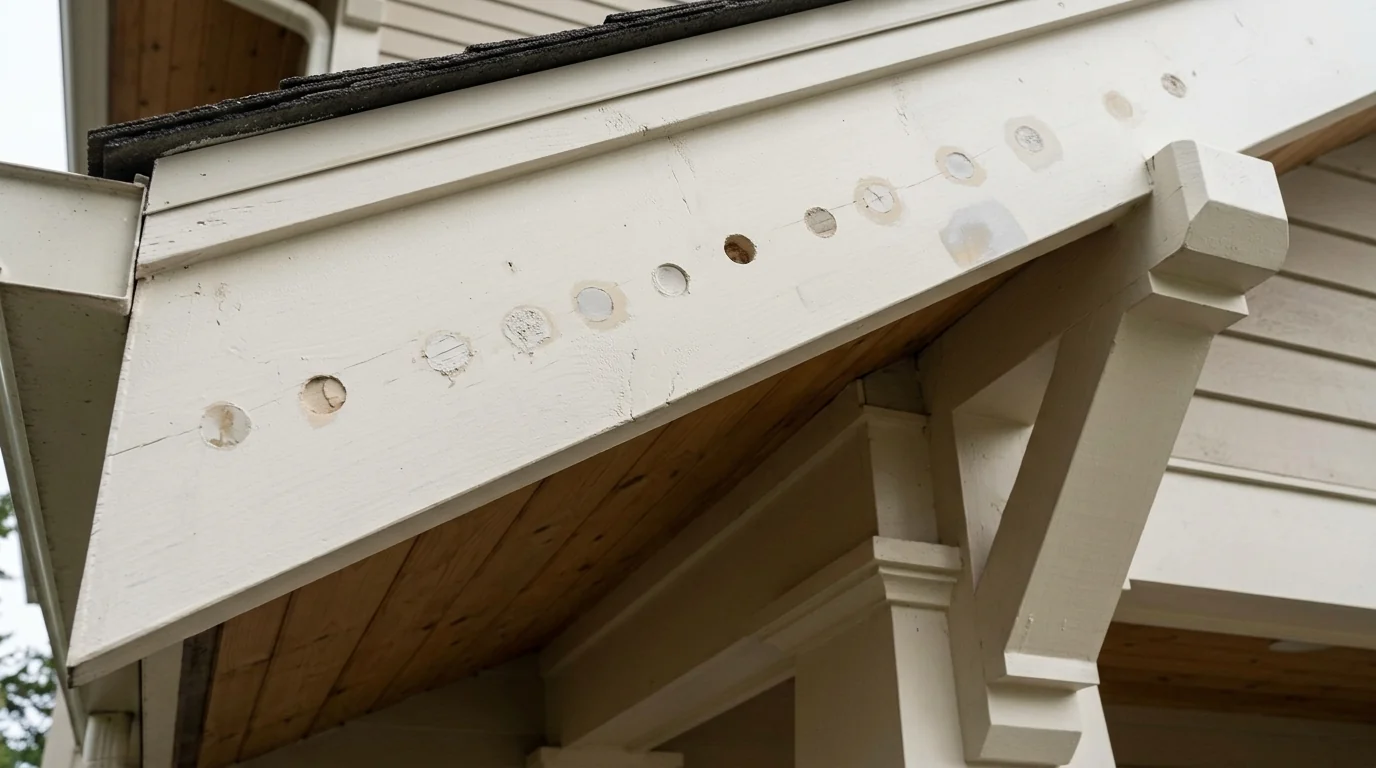
Soffit & Fascia Painting
Painting soffits, fascia, rake boards and eaves, with rot repair at gutter lines and carpenter bee holes sealed before the finish coats.
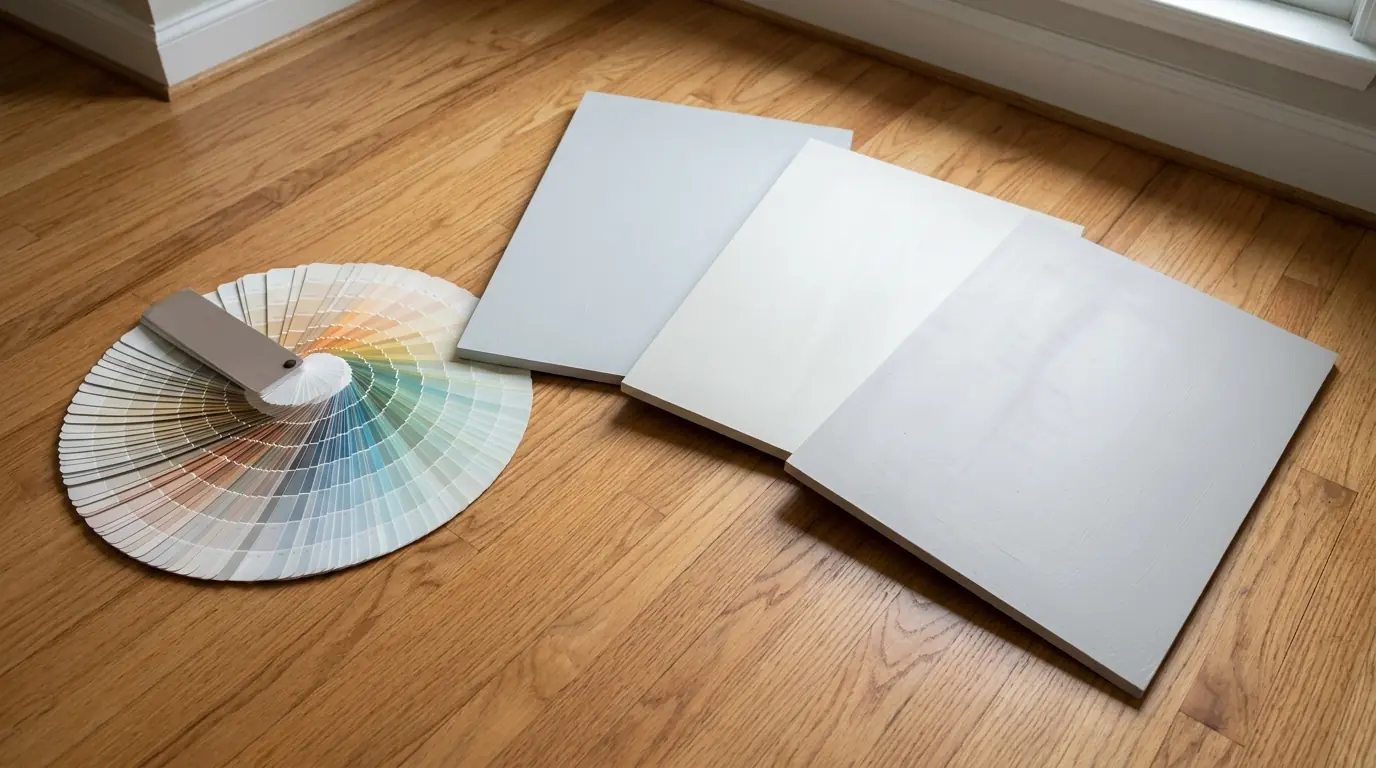
Color Consultation
Interior and exterior color selection with large sample boards, undertone and LRV checks, and whole-house palettes that work with your fixed finishes.
Talk through your exterior house painting job
Call any time. We will ask a few questions, set a walkthrough time and put the scope and price in writing.