Specialty finishes in Atlanta
Garage floor epoxy and polyaspartic coatings in Atlanta
The garage floor is stained with oil and red clay, dusty no matter how often it's swept, and a store-bought epoxy kit peeled up under the car tires within a year. A coating that lasts depends almost entirely on how the concrete is prepared.
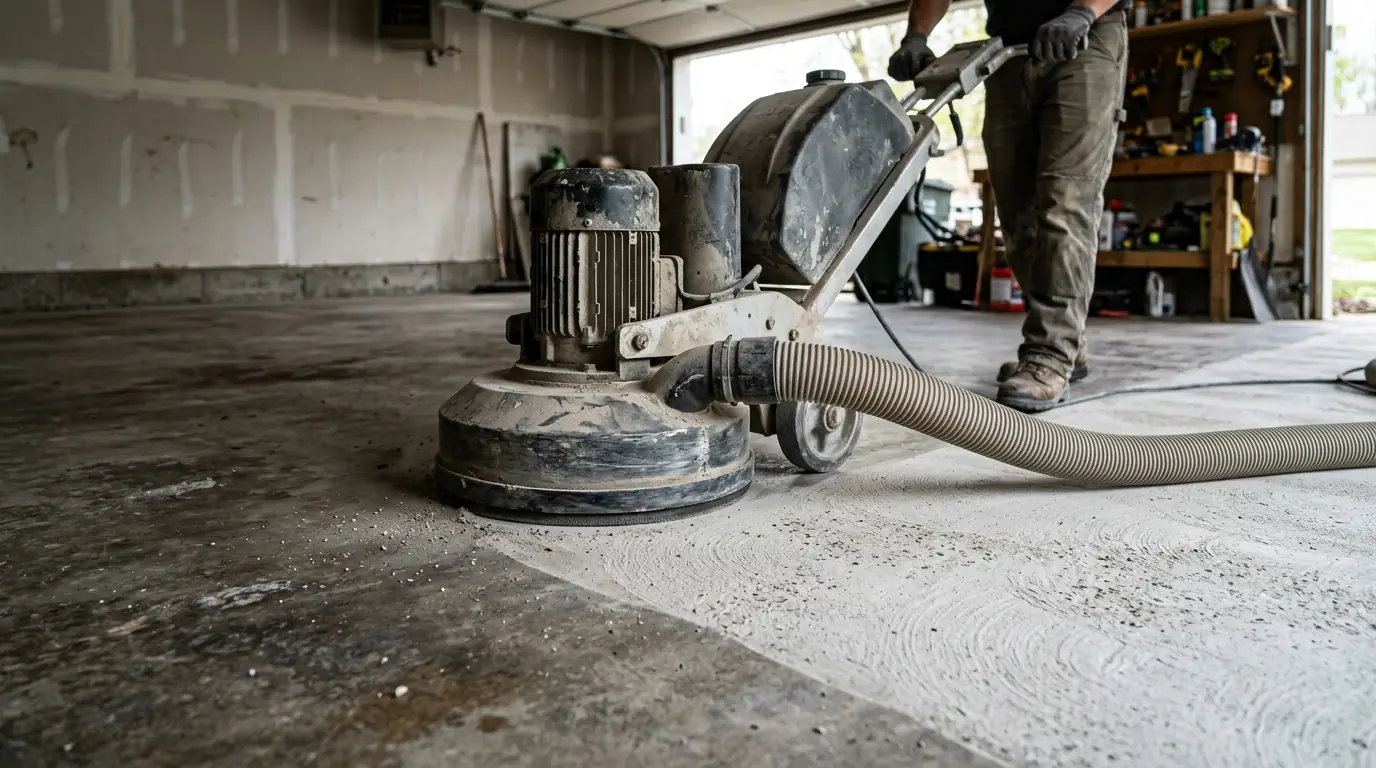
We grind the concrete with diamond tooling, test for moisture, repair cracks, and apply a two-part epoxy or polyaspartic system with a decorative flake broadcast and a clear topcoat. Most two-car garages take two to three days, with light foot traffic in hours and cars back in one to four days. Typical cost runs $4.35 to $8.95 per square foot. Call (470) 458-0461.
Most failed garage floor coatings fail because of prep, not product. Concrete has a weak, smooth top layer called laitance, often with curing compounds, sealers or oil soaked into it. Coatings rolled over that sit on top instead of bonding, and then the heat of a car tire softens the coating and pulls it up. That's called hot-tire pickup, and it's the classic failure of DIY kits.
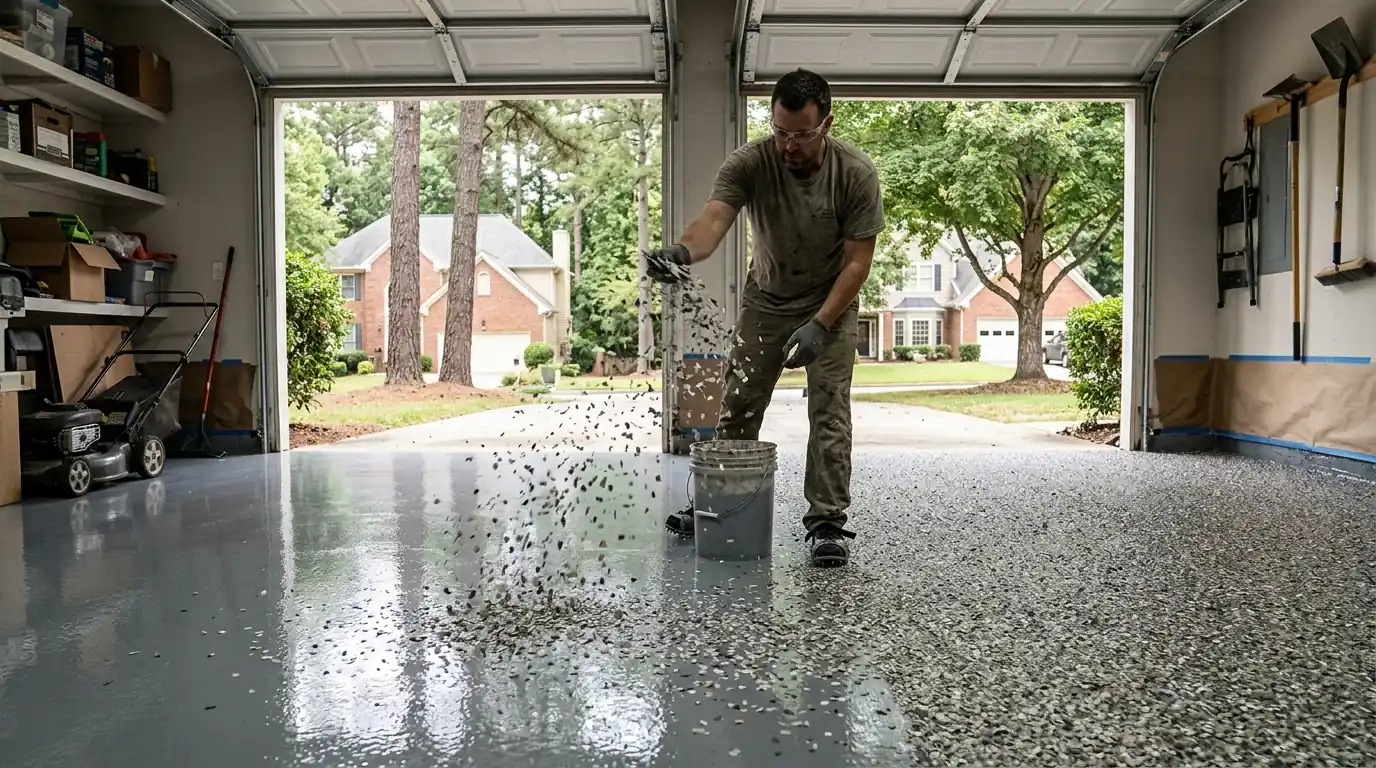
We start with a diamond grinder connected to a dust-collecting vacuum, which opens the concrete surface to a profile like medium sandpaper. That gives the coating something to grip. We test for moisture, fill cracks and pits, then apply a base coat, broadcast decorative vinyl flake, scrape and vacuum the excess, and finish with a clear topcoat. The flake hides imperfections and adds texture for traction.
The main choice is between epoxy and polyaspartic. Epoxy bonds well and builds thickness but cures slowly and can yellow in sunlight. Polyaspartic cures fast and holds its color. Many systems use an epoxy base with a polyaspartic topcoat. If your garage walls need fresh paint too, our basement and utility space painting work pairs well with a new floor.
When to call
Signs your garage floor needs a coating
Dusty concrete
Bare concrete releases fine dust as it wears, which gets tracked into the house and settles on everything stored in the garage. A coating seals the surface for good.
Oil and fluid stains
Oil, transmission fluid and brake fluid soak into bare concrete permanently. A coated floor wipes clean, and grinding removes the top layer of most existing stains.
Peeling DIY coating
A roll-on kit lifting in patches under tires, or flaking at the door, usually means the concrete wasn't ground first. It has to be removed before a new system goes down.
Pitting and spalling
Small pits and chipped areas on the surface collect dirt and water. We fill them before coating, which gives a smoother floor that's easier to sweep.
Red clay tracking
Clay tracked in on tires stains bare concrete orange. A coated floor resists staining, and the flake pattern hides any dirt between cleanings.
Garage used as a workspace
If the garage is also a gym, workshop or hobby space, a coated floor is brighter, easier to clean and more comfortable to work on.
Scope of work
What our garage floor coating includes
- Clearing the floor and protecting walls, doors and the water heater base
- Diamond grinding the slab with dust collection to open the surface
- Moisture testing to confirm the slab is dry enough for coating
- Filling cracks, pits and control joints with an epoxy or polyurea filler
- Applying a two-part epoxy or polyaspartic base coat
- Broadcasting decorative vinyl flake to full or partial coverage
- Scraping and vacuuming loose flake before the topcoat
- A clear polyaspartic or urethane topcoat, with anti-slip additive if you choose
How the job runs
How we coat a garage floor step by step
| Step | What happens |
|---|---|
| A1 | Inspect and testWe check for existing coatings, sealers, cracks and oil stains, then run a moisture test. High moisture coming up through the slab can lift any coating, so it changes the system we choose. |
| A2 | Grind and cleanA diamond grinder opens the full floor, with hand grinders for edges and corners. Our dust collectors capture most of the dust, and the floor is vacuumed clean afterward. |
| A3 | Repair the slabCracks and pits are filled with a fast-setting epoxy or polyurea filler and ground flush. Control joints can be filled or left open, depending on your preference. |
| A4 | Base coat and flakeA pigmented base coat is rolled out evenly, then vinyl flake is broadcast by hand into the wet coat to the coverage you've chosen, from a light scatter to full coverage. |
| A5 | Scrape and topcoatOnce the base cures, loose flake is scraped and vacuumed off. Then a clear topcoat is rolled on to lock in the flake and give the floor its final sheen and wear surface. |
| A6 | Cure before carsPolyaspartic systems take light foot traffic within hours and cars within about 24 to 48 hours. Epoxy systems need longer, typically three to four days before vehicles drive in. |
Atlanta conditions
Atlanta heat, humidity and garage floor coatings
Summer heat in Atlanta garages can push slab and air temperatures well above what some coatings like, and humidity can affect curing and cause blushing on epoxy surfaces. We schedule coating for the cooler morning hours in summer and check the dew point against slab temperature before we start. Polyaspartic coatings are especially sensitive, curing very fast in heat, so we adjust batch sizes so nothing sets before it's spread evenly.
Many garages in newer neighborhoods around Kennesaw, McDonough and Gwinnett subdivisions were poured with sealers or curing compounds that block coatings unless ground off. Red clay is also a constant, tracked in on tires and blown under the door during storms. A full or heavy flake broadcast hides clay dust between cleanings much better than a solid color floor, and a light anti-slip additive in the topcoat helps when wet tires bring rainwater in.
Where we do this work most
Built pages for neighborhoods and cities we cover, with ZIP codes.
Typical costs
Garage floor epoxy costs in Atlanta
Pricing depends on floor size, the system chosen, how much crack repair is needed and whether an old coating must be removed first. Polyaspartic systems cost a bit more than epoxy but install faster. These figures are typical for metro Atlanta in 2026 and are not quotes. We measure the garage and test the slab before giving you a written price.
| Work | Typical range |
|---|---|
| Epoxy base with flake and clear topcoat | $4.35 to $6.85 per sq ft |
| Polyaspartic full system with flake | $5.65 to $8.95 per sq ft |
| Typical two-car garage, about 450 to 550 sq ft | $2,145 to $4,670 |
| Removing an old failing coating | $0.85 to $1.95 per sq ft added |
| Crack and pit repair beyond minor fills | $145 to $485 |
Typical Atlanta ranges, not a quote. Your written estimate follows a free walkthrough. Compare other jobs on our painting price guide.
What moves the price
- Garage size in square feet
- Epoxy or polyaspartic system
- Flake coverage level
- Old coating removal
- Crack, pit and spall repair
- Moisture mitigation if the slab tests wet
Grinders, coatings and flake we use
Prep is done with a walk-behind diamond grinder and hand grinders, both connected to HEPA dust extractors. For coatings we use 100 percent solids two-part epoxy for base coats where a thick, strongly adhered layer is needed, and polyaspartic for faster cure and color stability. Decorative vinyl flake comes in many blends; mid-size flakes in grays and tans hide clay and dirt well. Topcoats are clear polyaspartic or aliphatic urethane, which resist yellowing. A fine aluminum oxide grit can be added to the topcoat for traction.
Paints, primers and stains our painters work with every week, from Sherwin-Williams and Benjamin Moore to PPG and Romabio.
Questions
Garage floor epoxy questions from Atlanta homeowners
What is hot-tire pickup, and how do you prevent it?
Hot-tire pickup happens when warm tires soften a coating and pull it off the floor as the car moves. It's almost always a bond problem caused by poor prep or a thin, weak product. Diamond grinding the slab, using a two-part system rated for vehicle traffic and following the full cure time before parking prevents it on the floors we coat.
Is polyaspartic really better than epoxy for a garage?
Each has strengths. Epoxy builds thickness and bonds strongly, and it's a little cheaper, but it cures slowly and can yellow in sunlight. Polyaspartic cures in hours, resists UV and stays clear. Many garages get an epoxy base and a polyaspartic topcoat, combining strong adhesion with a durable, color-stable finish. We'll recommend a system after testing your slab.
Why do you need to test the slab for moisture?
Concrete slabs, especially those poured without a vapor barrier, can let moisture rise from the ground. That vapor pushes against any coating and can cause bubbles, blisters or peeling. A moisture test before coating tells us whether the slab is dry enough, or whether we need a moisture-tolerant primer or mitigation layer first, which adds some cost but prevents failure.
How long until I can park in the garage again?
With a polyaspartic system, you can usually walk on the floor within a few hours and park in about 24 to 48 hours. Epoxy-based systems need longer, often three to four days before cars return, especially in cooler weather. We'll give you specific times for your system and the weather that week, and tape a note to the door as a reminder.
Will the coated floor be slippery when wet?
A smooth clear coat can be slick when wet, but flake broadcast adds texture, and we can add a fine anti-slip grit to the topcoat for more traction. In a rainy climate, many homeowners choose that grit near the garage door where wet tires and shoes come in. It's barely noticeable underfoot but makes a real difference.
Related work
Jobs that often go with this one
Basement Painting
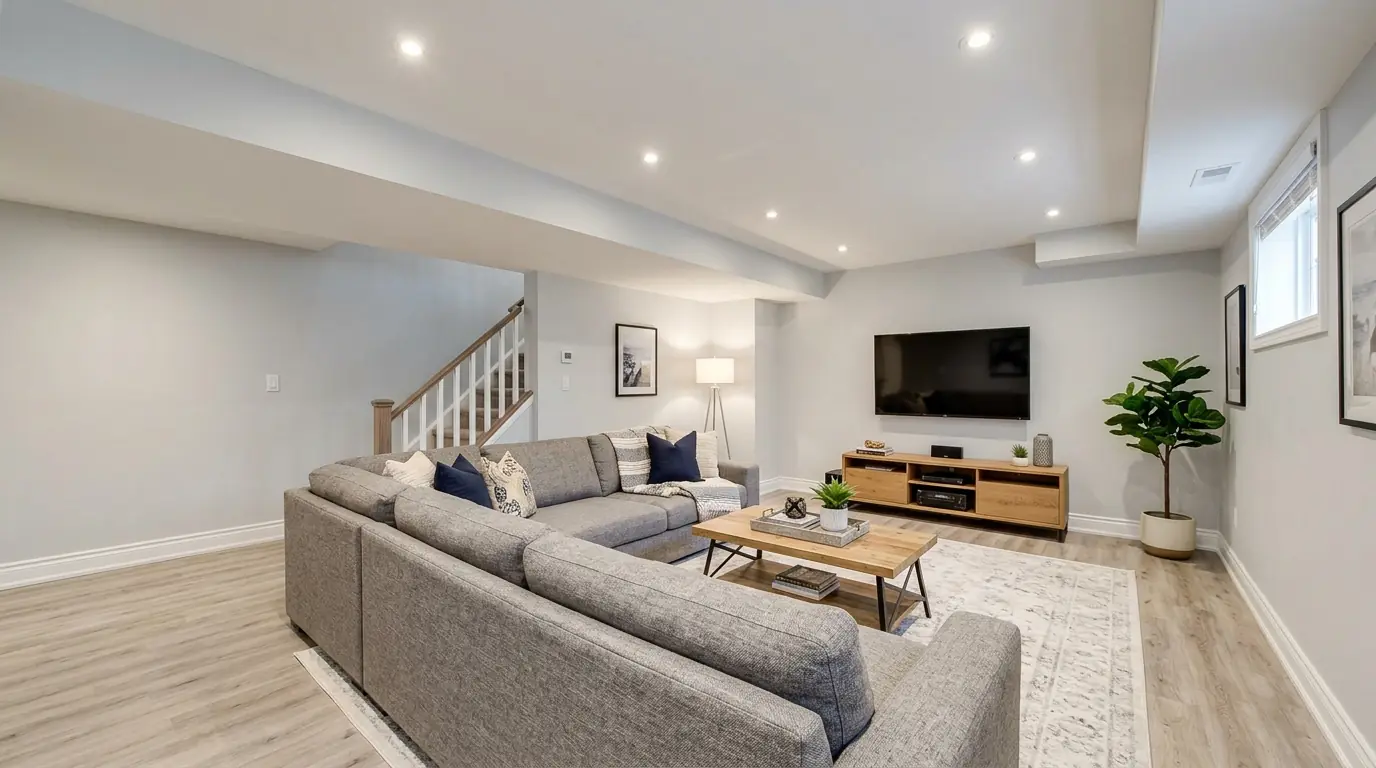
Concrete and block basement walls tested for moisture and coated with masonry waterproofing paint, plus low-odor painting for finished basements.
Pressure Washing
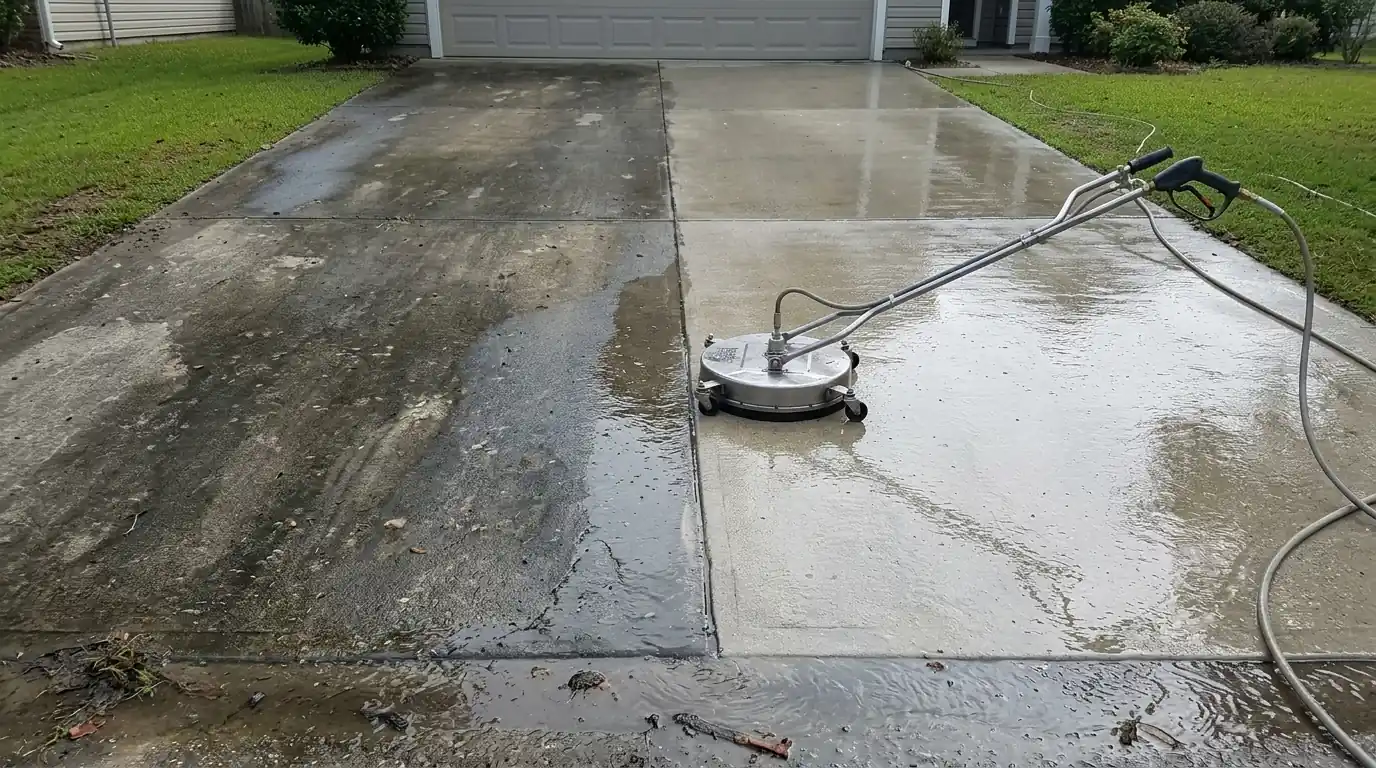
Soft wash for siding and pressure washing for concrete, clearing mildew, algae, pollen and red clay before paint or on its own.
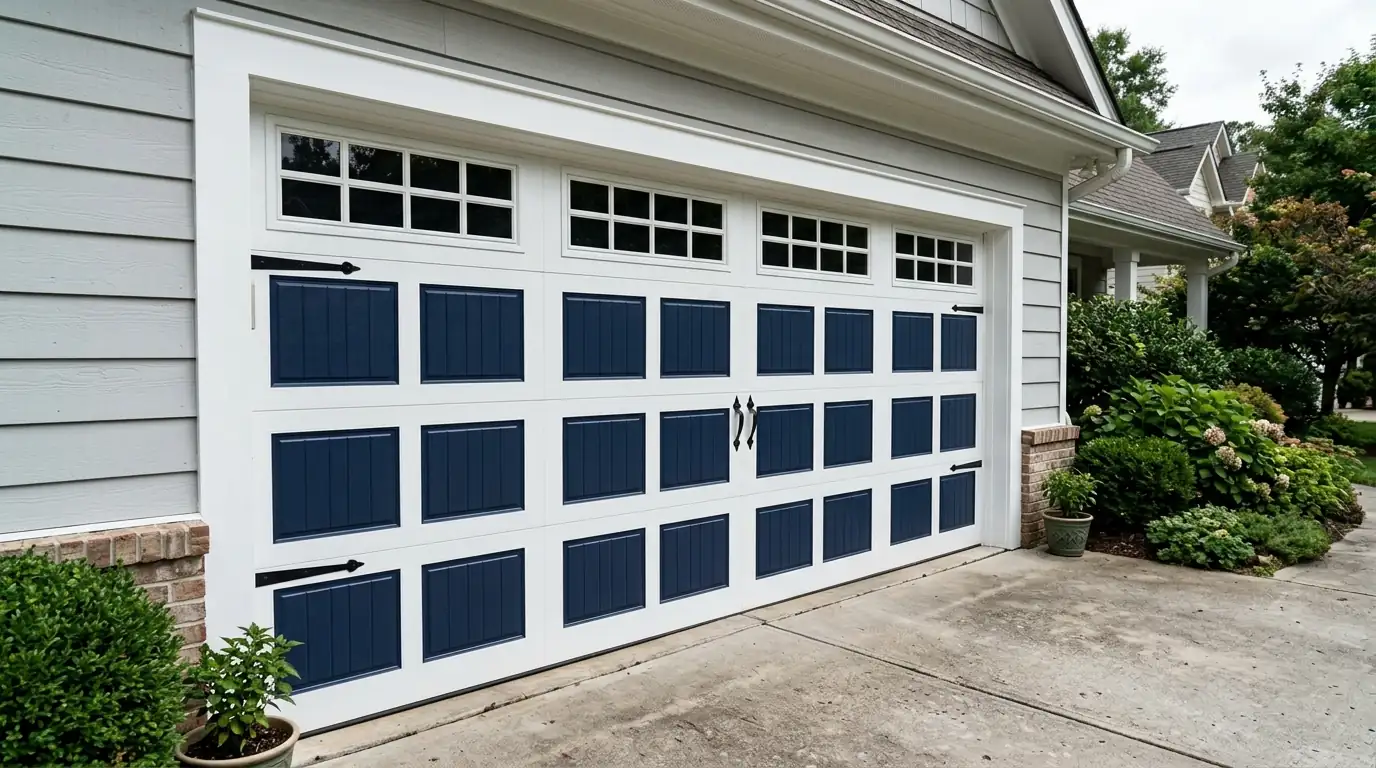
Garage Door Painting
Steel, wood and composite garage doors cleaned, primed and painted panel by panel, matched to trim or done in two tones.
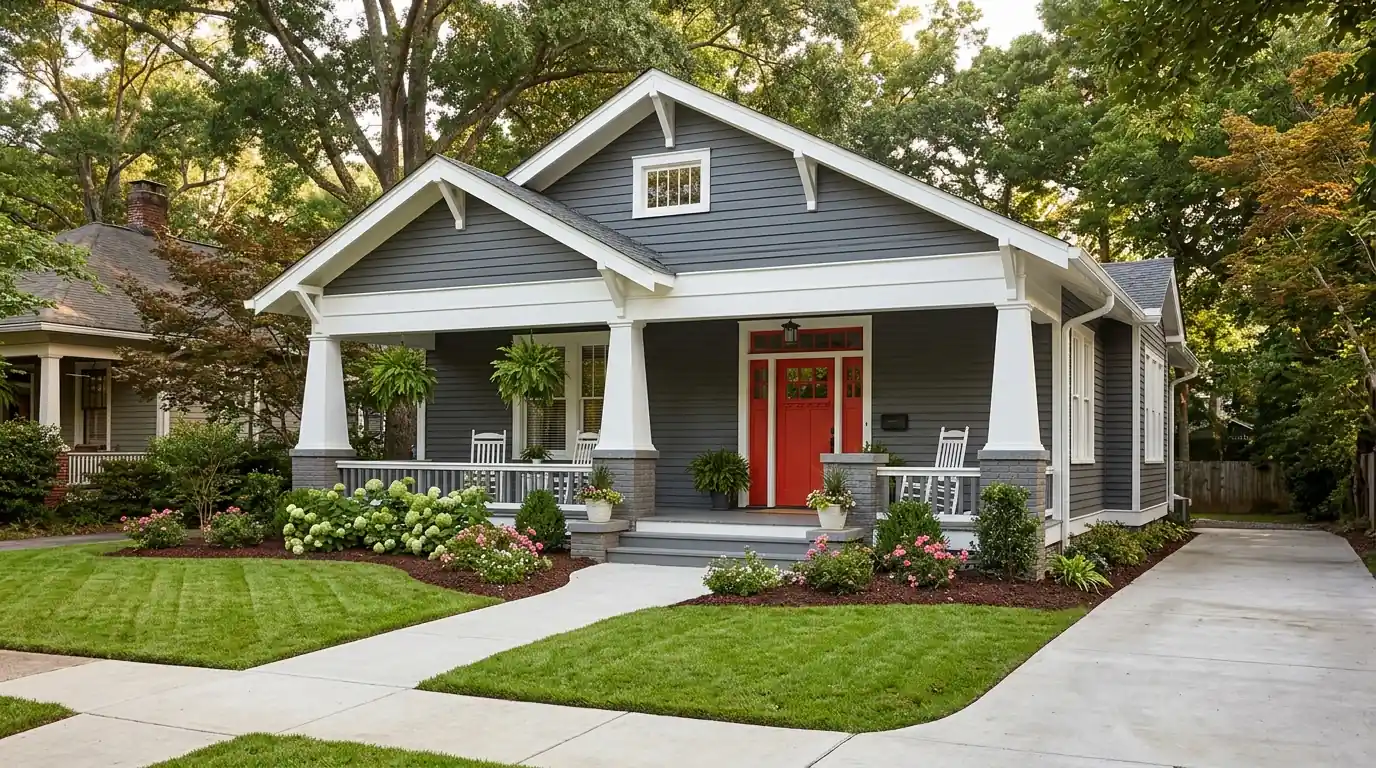
Exterior House Painting
Full exterior repaints on wood, fiber cement and mixed-material Atlanta homes: wash, scrape, sand, caulk, spot prime and two finish coats.
Talk through your garage floor epoxy job
Call any time. We will ask a few questions, set a walkthrough time and put the scope and price in writing.