Interior painting in Atlanta
Interior house painting in Atlanta, one room or the whole house
Scuffed hallways, tired builder beige and patched spots that flash through the old paint all make a home feel worn. We repaint lived-in Atlanta homes room by room, working around your schedule, your furniture and your pets.
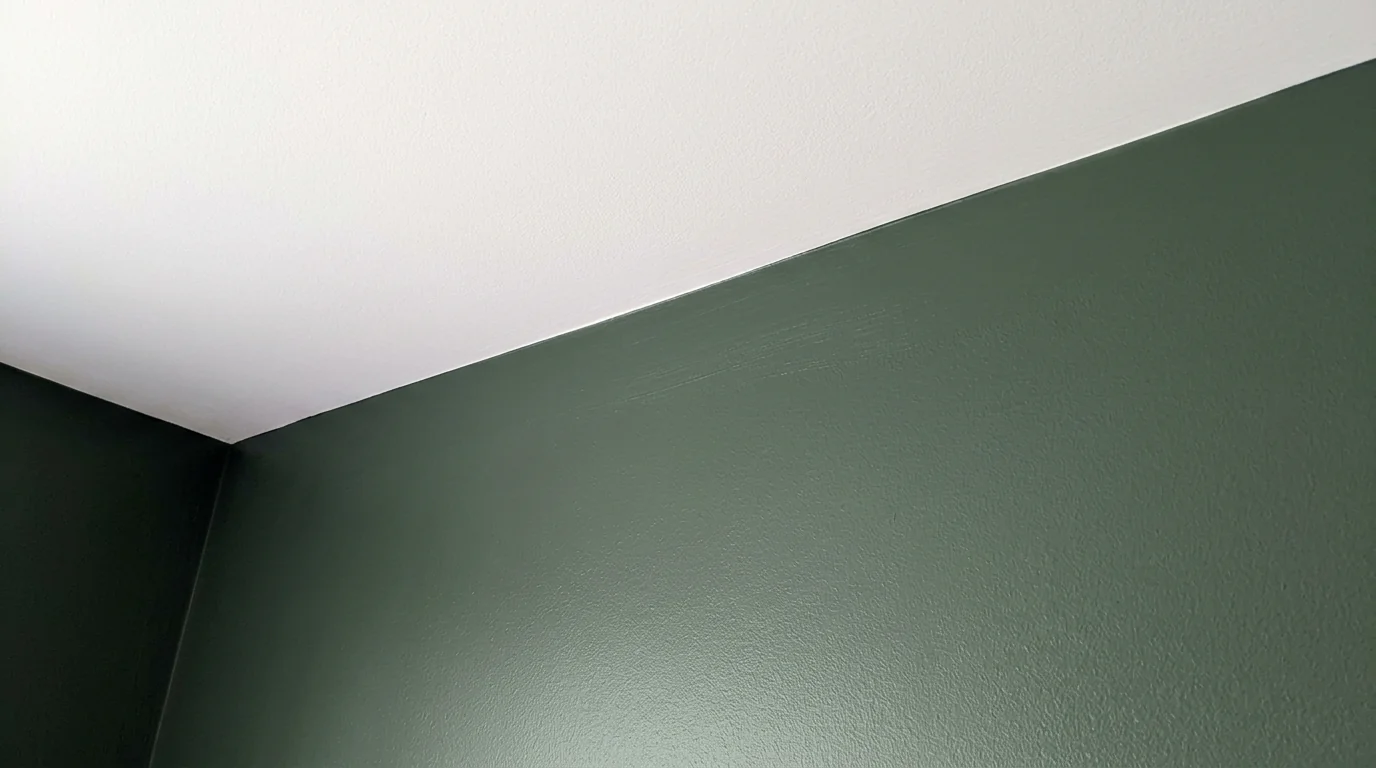
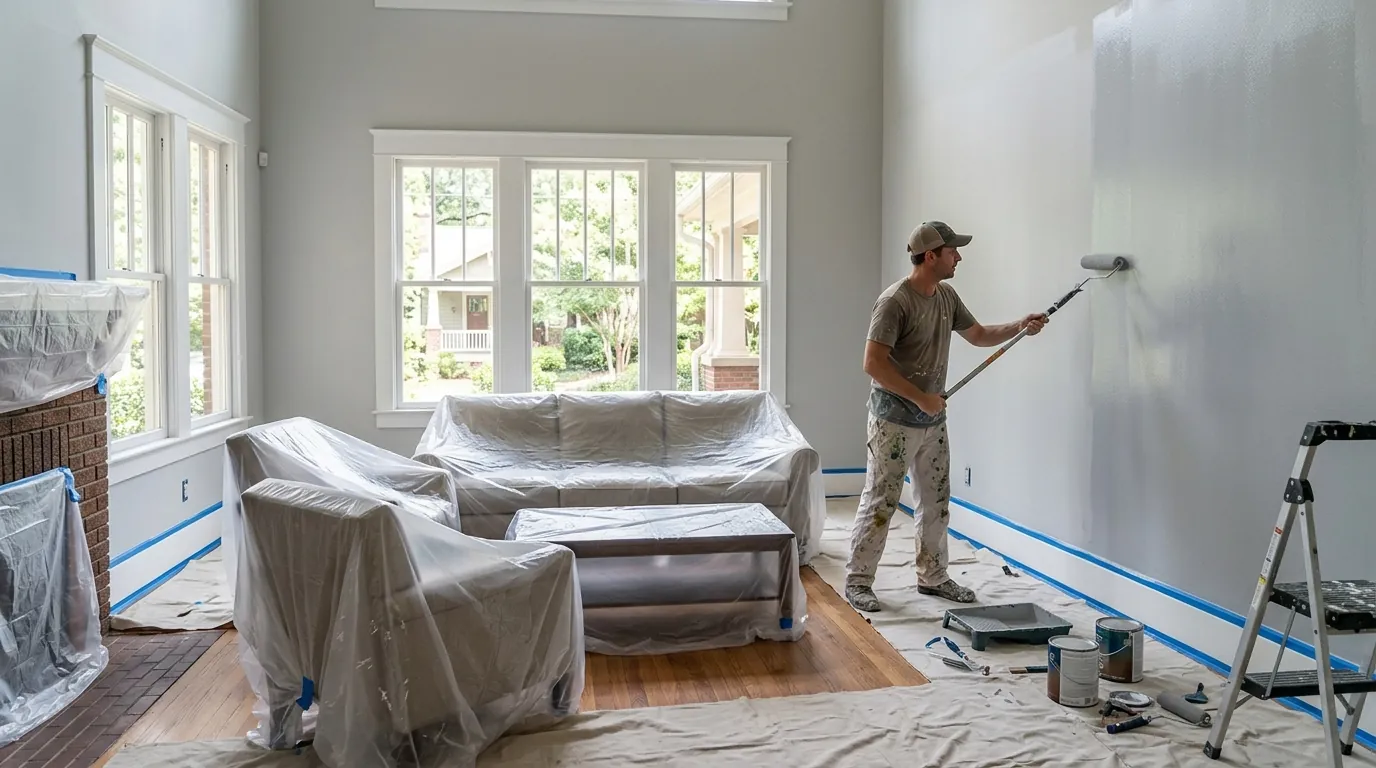
We paint interior walls in occupied Atlanta homes: we move and cover furniture, patch and sand, cut in by hand and roll two full coats. A single bedroom usually takes one day; a whole 2,200 square foot interior runs four to seven working days. Typical walls-only pricing falls between $1.65 and $3.40 per square foot of floor area. Call (470) 458-0461 for a free walkthrough.
Most interior repaints in Atlanta happen with people still living in the house. That changes the job more than the paint does. We plan the room order so you always have a working kitchen, a bathroom and somewhere to sleep. Furniture goes to the middle of the room under plastic, wall hangings come down and get labeled, and switch plates go into a bag taped inside the closet door.
The part people notice later is the cut line. Where a wall meets the ceiling, a door casing or a baseboard, we brush a straight line by hand instead of relying on tape alone, because tape bleeds on textured drywall and pulls fresh paint when it comes off. Then we roll each wall in full-height sections with a wet edge so the sheen dries even. Two coats are standard on every wall, even when the color isn't changing, since one coat over a scuffed surface leaves thin spots that show in raking light.
If the walls need more than paint, we'll say so at the walkthrough. Cracked corners, nail pops and old anchors get fixed as part of prep, and bigger damage is quoted separately as drywall patching. Ceilings and trim can be added to the same visit, which saves a second round of furniture moving and floor covering. Many homeowners pair walls with fresh baseboards and door casings so the whole room finishes at once.
When to call
Signs your walls are ready for a repaint
Scuffs that won't wash off
Flat builder paint burnishes when scrubbed. If wiping a hallway leaves a shiny patch or a gray smear, the finish has worn through and a washable eggshell will hold up better.
Touch-ups that flash
Patched spots that look dull or shiny next to the surrounding wall mean the original paint has aged or the touch-up was a different sheen. A full wall-to-wall coat is the only real fix.
Yellowing near kitchens and baths
Cooking grease, steam and old oil-based paint turn walls amber over time, especially above ranges. Cleaning helps briefly, but the stain usually returns through the next coat unless it's primed.
Hairline cracks at corners
Settling and seasonal swings open thin cracks where walls meet ceilings and at inside corners. We cut them out, fill them with flexible patch or caulk, and paint over them so they stay closed longer.
Colors that fight the furniture
A dated color scheme, mismatched rooms or a dark shade that shrinks a small room are good reasons on their own. Repainting is the cheapest way to change how a house feels without remodeling.
Selling or moving in
Listing photos magnify every scuff. A neutral repaint before listing, or a fresh coat before your furniture arrives, is far easier while the house is empty.
Scope of work
What our interior wall painting includes
- Moving furniture to room centers and covering it with plastic sheeting
- Removing switch plates, outlet covers, nail hooks and wall hangings, then reinstalling them
- Filling nail holes, dents and hairline cracks, then sanding the patches flush
- Spot-priming patches and stains so they don't flash or bleed through
- Hand cutting straight lines at ceilings, trim, cabinets and tile edges
- Two full coats of wall paint rolled in even, full-height sections
- Daily cleanup and a room-by-room walkthrough with a touch-up list at the end
How the job runs
How a whole-house interior repaint runs, day by day
| Step | What happens |
|---|---|
| A1 | Walkthrough and room orderWe walk each room with you, note repairs, confirm colors and sheens, and agree on an order that keeps a bedroom, a bathroom and the kitchen usable. You get a written estimate with the room list. |
| A2 | Setup in the first roomFurniture moves to the center under plastic, floors get drop cloths, and hardware comes off. We protect only the rooms we'll finish that day or the next, so the rest of the house stays livable. |
| A3 | Patch, sand and spot-primeHoles and cracks are filled and sanded, glossy areas get scuffed, and stains or patches get a spot coat of primer. Skipping this step is why many repaints look blotchy after the first coat dries. |
| A4 | Cut in and roll the first coatOur painters brush the edges first, then roll the field of each wall while the cut line is still wet, which avoids the picture-frame effect around trim and ceiling corners. |
| A5 | Second coat after the recoat windowWe wait for the recoat time printed on the can, usually two to four hours indoors, then repeat the cut and roll. The second coat gives full color depth and an even sheen. |
| A6 | Reset and final walkthroughCovers go back on, furniture moves back, and we walk the room with you using a work light to catch any thin areas before we pack up. |
Atlanta conditions
How Atlanta homes change an interior paint job
Summer humidity in Atlanta slows interior drying more than most people expect, especially in houses that keep the thermostat high to save on cooling. Latex paint that would be ready to recoat in two hours in a dry room can stay soft for twice that in muggy air, and rushing the second coat leaves roller marks and a tacky surface that picks up dust. We run the HVAC fan during the job, keep the thermostat near 72, and check the film by touch before recoating rather than going by the clock.
Housing age matters too. Intown bungalows and Tudors from the 1920s often have plaster walls that crack in spidery patterns and need a bonding primer over patches, while 1990s and 2000s homes in places like Alpharetta and Johns Creek tend to have builder-grade flat paint and two-story foyers that need tall ladders or a plank setup. Homes built before 1978 get tested for lead before any sanding, and our painters follow EPA lead-safe practices when it's present.
Where we do this work most
Built pages for neighborhoods and cities we cover, with ZIP codes.
Typical costs
What interior painting costs in Atlanta in 2026
Interior prices depend mostly on how much wall there is, how much prep it needs and how many colors you choose. The ranges below are typical for occupied Atlanta homes with walls in fair condition and two coats of a mid-grade or better paint. Your written estimate after the walkthrough will be specific to your rooms. More detail is in our Atlanta painting price guide.
| Work | Typical range |
|---|---|
| Single bedroom, walls only (about 12 by 14 feet) | $465 to $890 |
| Living room or open family room, walls only | $735 to $1,640 |
| Whole interior, walls only, 2,200 sq ft home | $3,780 to $7,460 |
| Two-story foyer or stairwell wall | $385 to $970 |
Typical Atlanta ranges, not a quote. Your written estimate follows a free walkthrough. Compare other jobs on our painting price guide.
What moves the price
- Number of colors and accent walls
- Amount of patching and priming needed
- Ceiling height and two-story walls
- Furniture and belongings to move
- Paint line and sheen chosen
- Lead-safe setup in pre-1978 homes
Paints, sheens and tools we use on walls
For living areas and bedrooms we usually roll Sherwin-Williams Duration Home or Benjamin Moore Regal Select in eggshell, which washes well without showing every wall flaw. Bathrooms get a moisture-resistant satin. Patches and water marks are spot-primed with Zinsser Bulls Eye 1-2-3, or with a shellac-based primer when stains need blocking. We cut with 2.5 inch angled Purdy brushes and roll with 3/8 inch nap covers on smooth drywall, stepping up to 1/2 inch on light texture. Zero-VOC options are available for odor-sensitive households.
Paints, primers and stains our painters work with every week, from Sherwin-Williams and Benjamin Moore to PPG and Romabio.
Questions
Interior house painting questions from Atlanta homeowners
Can we stay home while you paint the inside of the house?
Yes, most of our interior work happens in occupied homes. We schedule rooms in an order that keeps a bedroom, a bathroom and the kitchen usable each night, and we keep the work area closed off from pets. Low-VOC paints cut the smell down a lot; most people find the odor fades within a day with the windows cracked and the HVAC fan running.
Do you move heavy furniture like pianos and gun safes?
We move standard furniture such as beds, dressers and sofas, and we don't empty drawers without asking. Pianos, safes, aquariums and loaded china cabinets stay where they are; we cover them in place and work around them, or you can have a mover shift them before we arrive. Electronics should be unplugged and wall-mounted TVs taken down ahead of time.
Why insist on two coats if I'm keeping the same color?
One coat over a worn wall leaves uneven film thickness, so the sheen looks patchy and patched spots show through in side light. The second coat evens the sheen, fills the roller texture and gives the washability the label promises. Scrub ratings assume full film thickness, which one coat rarely reaches.
How long should I wait before hanging pictures again?
Latex wall paint feels dry within an hour, but it keeps hardening for about two weeks. We rehang light items the same day, since nail holes don't depend on the film. For heavy mirrors or anything pressed flat against the wall, give it at least 48 hours so the frame doesn't stick and pull paint when it's moved later.
Can you match a wall color from a previous paint job?
Usually, yes. If you have the leftover can, the label gives us the exact formula. If not, we can cut a small chip from behind a switch plate and have it scanned, then brush a test patch and compare it in daylight. Sheen matters as much as color, so we check that too before painting the full wall.
Related work
Jobs that often go with this one
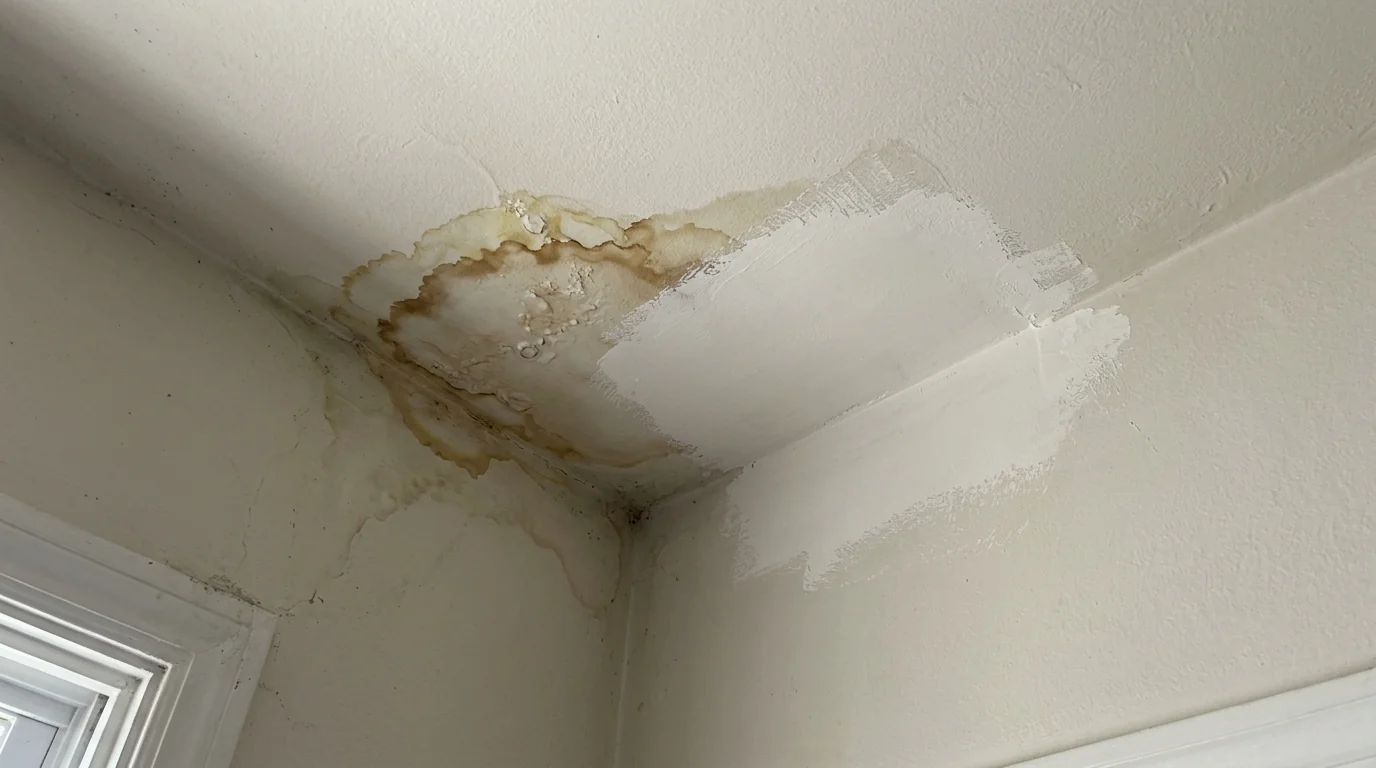
Ceiling Painting
Flat ceiling paint rolled without lap marks, water stains sealed with stain-blocking primer, and tall or vaulted ceilings reached safely.
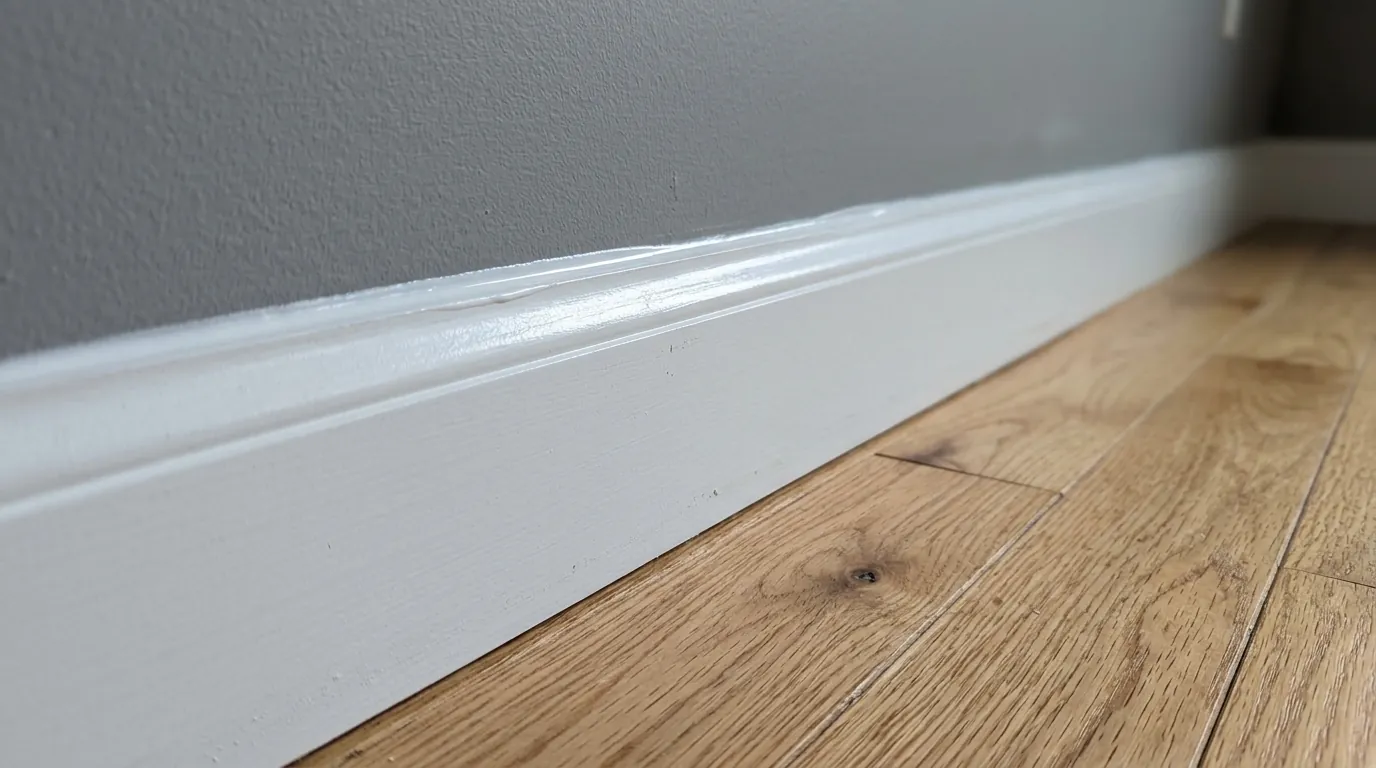
Trim, Door & Baseboard Painting
Baseboards, crown, casings and interior doors sanded, caulked and finished in a hard enamel that resists scuffs and wipes clean.
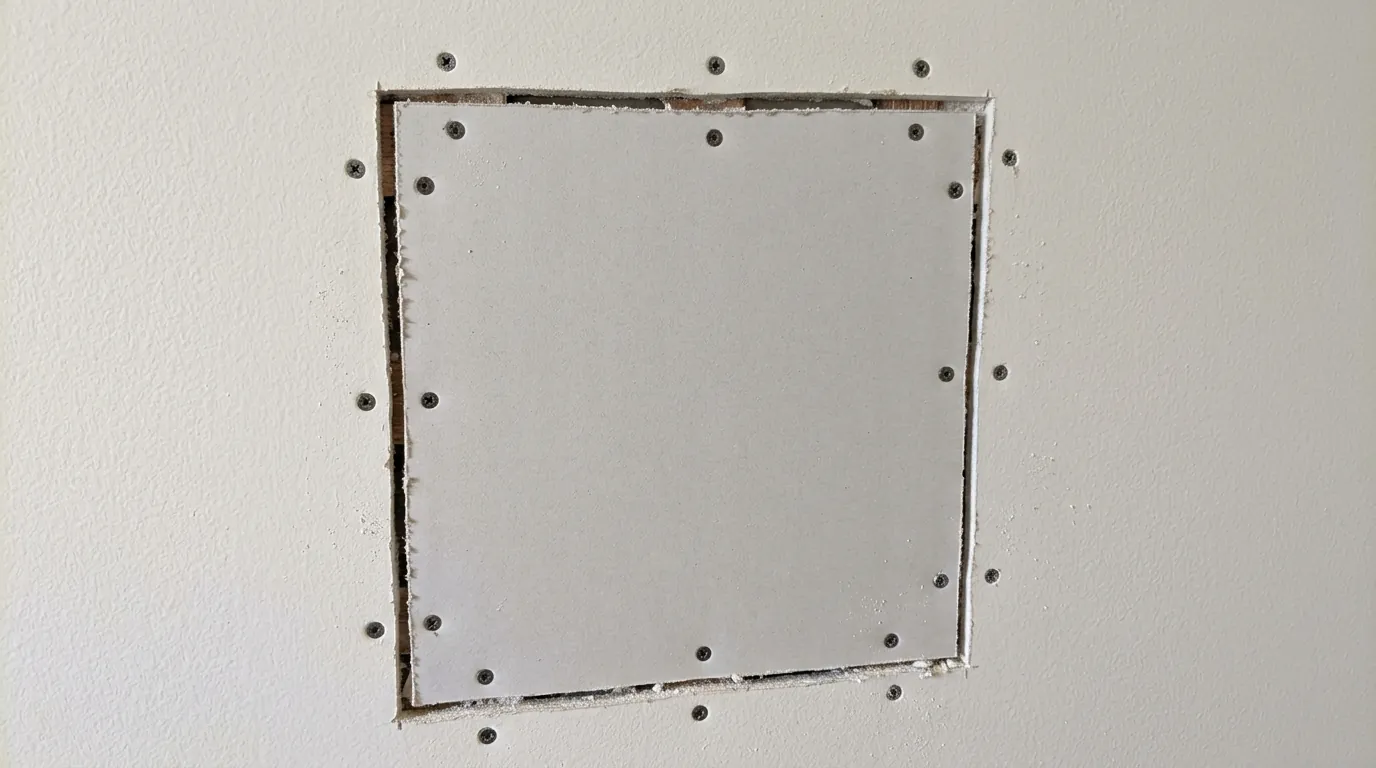
Drywall Repair & Patching
Holes, cracks, nail pops and water-damaged patches repaired, with texture matched to orange peel or knockdown so the fix disappears under paint.
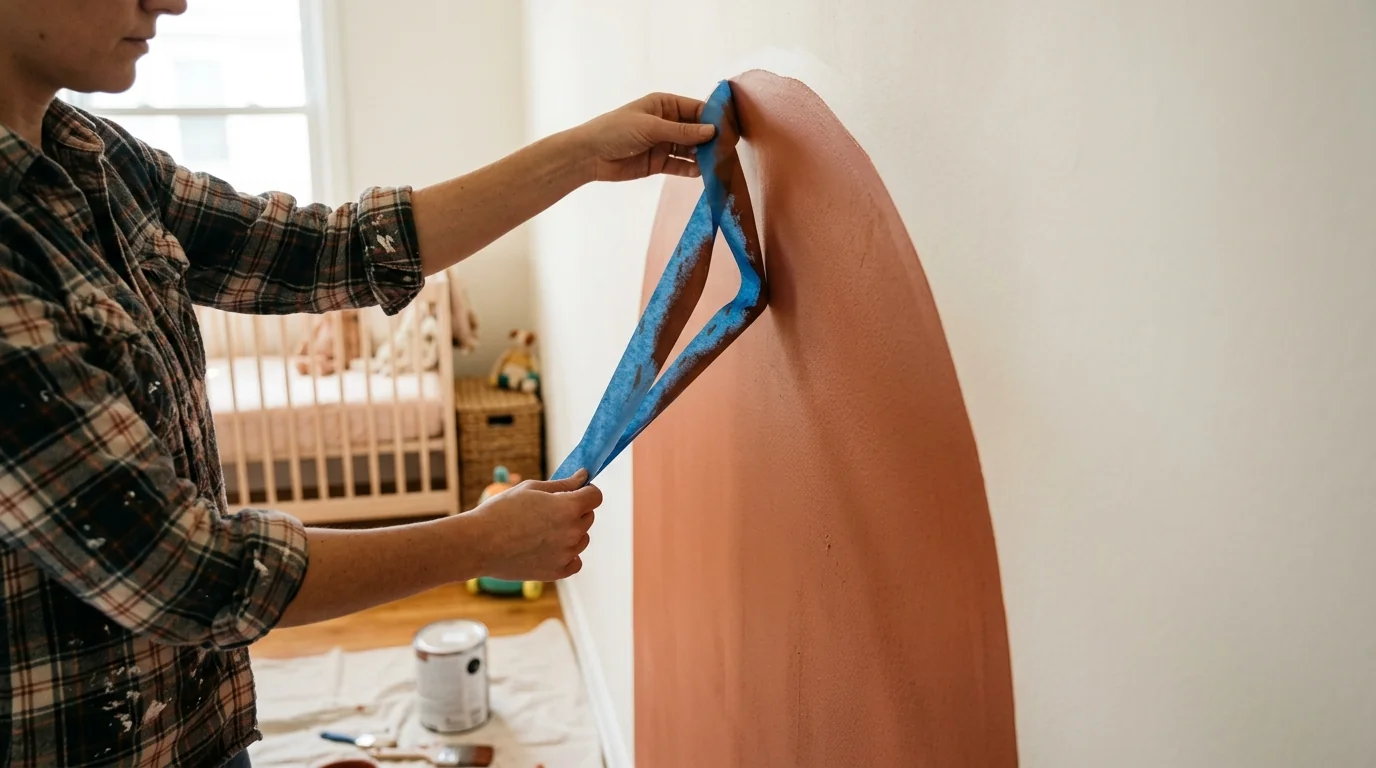
Accent Wall Painting
Single feature walls, color blocking and painted stripes or geometric designs, with tinted primer under deep colors and razor-sharp tape lines.
Talk through your interior house painting job
Call any time. We will ask a few questions, set a walkthrough time and put the scope and price in writing.