Interior painting in Atlanta
Trim, baseboard and interior door painting in Atlanta
Chipped baseboards, yellowed oil-based trim and doors with drips frozen down the panels make a clean room look tired. Trim takes more prep than walls, and that prep decides whether the new enamel sticks or peels.
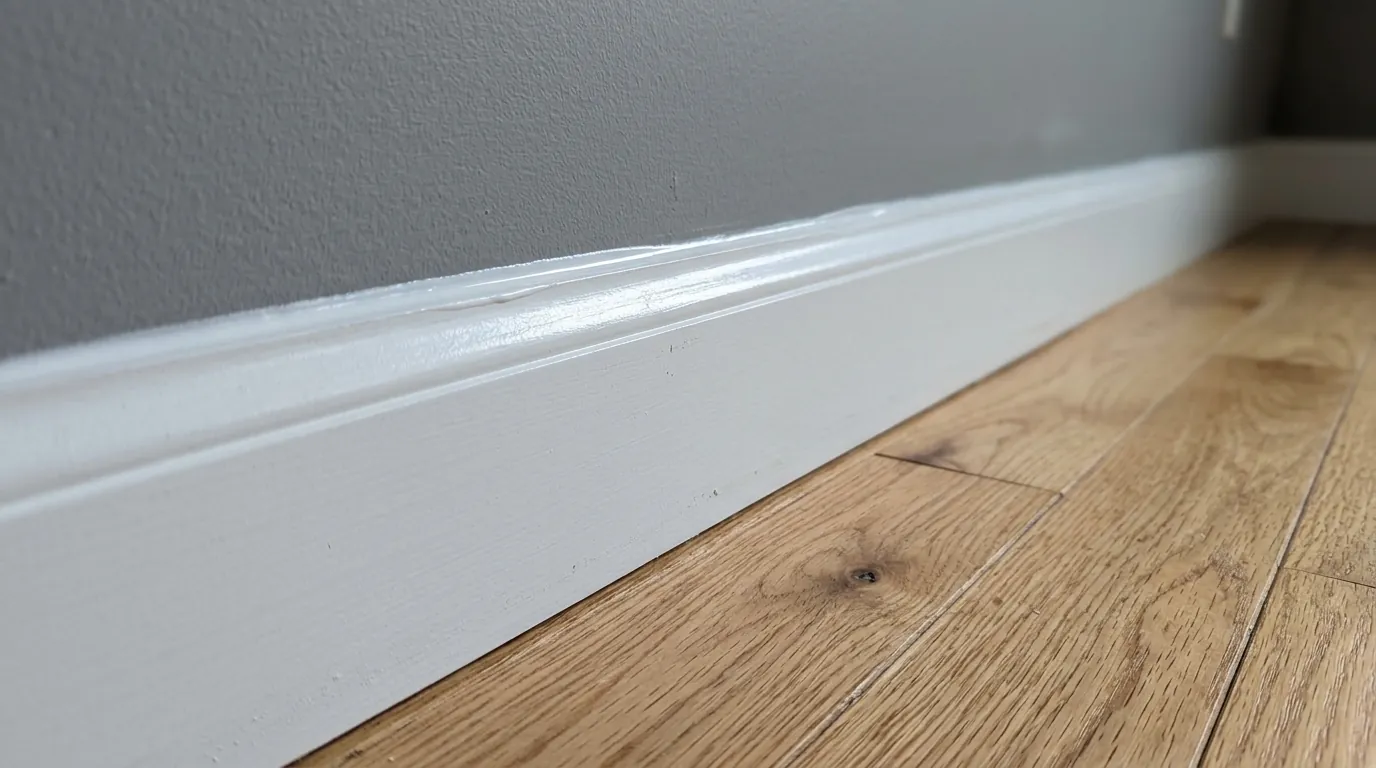
We paint interior trim, baseboards, crown molding, window and door casings, and interior doors. We test for old oil paint, sand, prime with a bonding primer, caulk gaps, and brush or spray a hard waterborne enamel. A typical room of trim takes one day, and doors run $95 to $215 each. Call (470) 458-0461 for a free walkthrough.
Trim is the part of a room people touch, kick and vacuum against, so the finish has to be harder than wall paint and the prep has to be careful. Most of the trim jobs we see in Atlanta involve one problem: older oil-based enamel underneath, painted over at some point with latex that never grabbed. That latex peels in strips from baseboards and door edges, often in sheets you can lift with a fingernail.
We check every job with a quick rub test. A cotton pad with denatured alcohol softens latex but leaves oil untouched. If the existing trim is oil, we scuff-sand it dull, wipe it clean, and use a bonding primer made to grip glossy surfaces before any waterborne enamel goes on. That one step is the difference between trim that holds for years and trim that chips the first time a vacuum bumps it.
Caulking is the other half. Gaps between baseboard and wall, at miters on crown, and where casings meet drywall get filled with a paintable acrylic caulk and tooled smooth, so the finished trim reads as one clean line. This page covers interior doors and trim only, including closet and pantry doors. For entry doors and exterior shutters, see front door and shutter painting.
When to call
Signs your trim and doors need refinishing
Latex peeling off glossy trim
Strips of paint lifting at baseboard tops and door edges mean latex was rolled over oil without a bonding primer. It will keep peeling until the loose paint is removed and the surface is primed.
Yellowed white trim
Old oil-based enamel ambers over time, especially in rooms with little daylight. Next to fresh white walls it can look tan. A modern waterborne enamel stays white far longer.
Open gaps and cracked caulk
Dark lines between baseboard and wall or along casings come from shrinking caulk and seasonal movement. They collect dust and make even fresh paint look unfinished.
Chipped door edges and frames
Latch-side edges and the bottom corners of doors take the most hits. Chips down to bare wood or primer show where the finish was too soft for the traffic it gets.
Drips, brush marks and sticky doors
Heavy past coats leave runs on door panels and can make doors stick to their stops in humid weather, a sign of paint buildup that needs sanding back.
Scuffed baseboards along hallways
Shoes, vacuums and pets wear through baseboard paint first. Satin or semi-gloss enamel holds up there much better than wall paint ever will.
Scope of work
What our trim and interior door work covers
- Testing existing trim for oil-based paint with a denatured alcohol rub
- Scraping loose paint and sanding edges smooth so old chips don't telegraph through
- Scuff-sanding glossy surfaces and wiping them down with a tack cloth
- Bonding primer on oil-based or bare wood surfaces before any enamel
- Filling nail holes and dents with wood filler, then sanding them flush
- Caulking gaps at baseboards, casings, crown miters and chair rail
- Two coats of waterborne enamel, brushed or sprayed depending on the piece
- Removing, painting and rehanging interior doors, with hardware masked or removed
How the job runs
Our sequence for trim and interior doors
| Step | What happens |
|---|---|
| A1 | Test and plan the finishWe rub-test the old paint, check for lead on trim in pre-1978 homes, and agree on sheen. Most clients pick satin for baseboards and semi-gloss for doors and casings. |
| A2 | Protect floors and wallsWe lay drop cloths and run low-tack tape along the floor edge of baseboards so carpet and hardwood stay clean. Walls are masked only where we plan to spray. |
| A3 | Sand, fill and cleanLoose paint is scraped, edges are feathered, glossy areas are scuffed with fine sanding sponges, and nail holes are filled. Dust is vacuumed and wiped off before priming. |
| A4 | Prime and caulkBonding primer goes on oil-coated and bare areas. Once it's dry, we caulk gaps and miters, then let the caulk skin over so the enamel doesn't crack across it. |
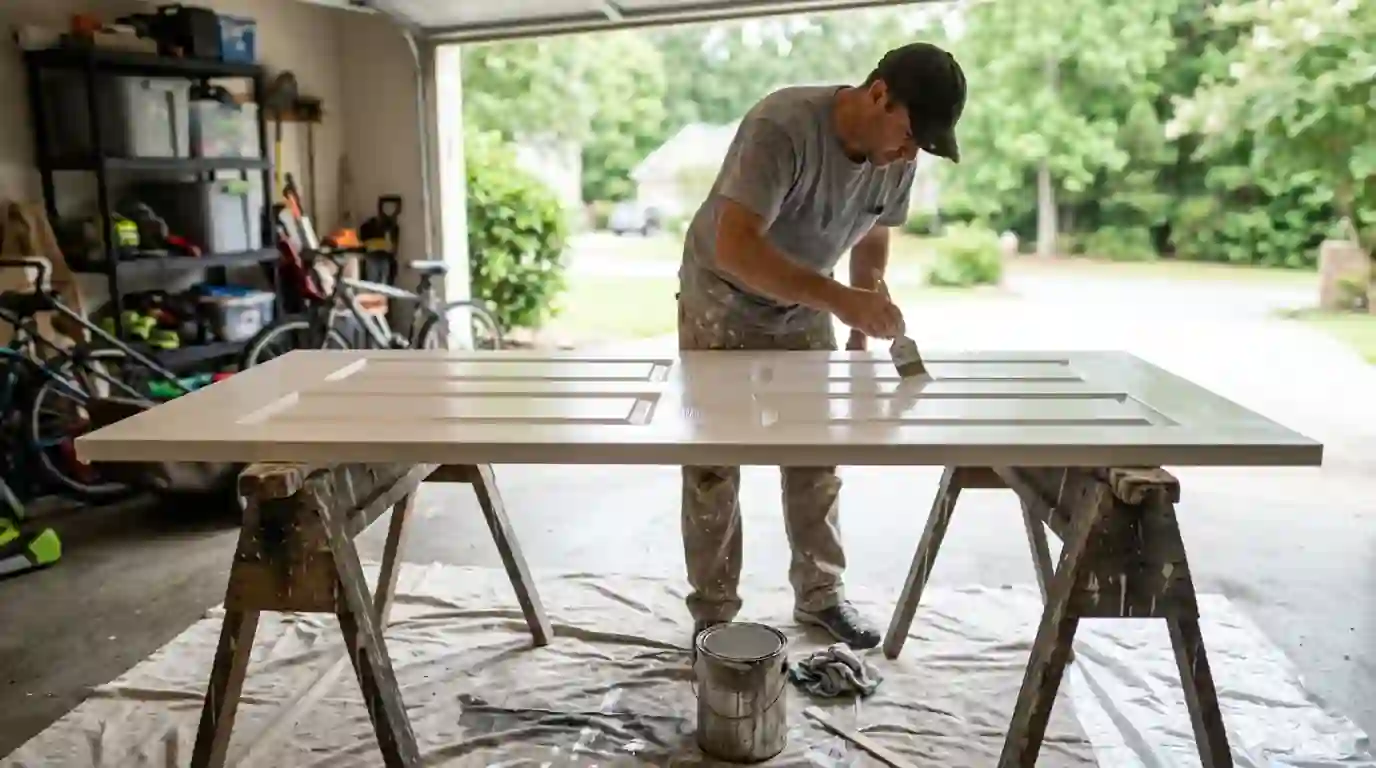
| A5 | Doors off and laid flatDoors come off their hinges, get labeled, and are finished on padded stands. Painting them flat lets the enamel level out without runs, and both faces get done in the same session. |
| A6 | Two enamel coats and rehangWe apply two thin coats, sanding lightly between them, then rehang the doors once they've cured enough to handle, check the swing, and reinstall hinges and knobs. |
Atlanta conditions
Why Atlanta humidity and older homes affect trim finishes
Waterborne enamels need time to harden, and Atlanta summers slow that down. In a humid house, doors rehung too early can stick to the stops and leave a print on the frame. We keep doors off longer in July and August, run fans, and use a product with good block resistance so freshly painted doors and windows don't glue themselves shut. Spring pollen matters less inside, but we still keep windows closed while enamel is wet so yellow dust doesn't settle into it.
Older housing stock means more oil-based trim under layers of latex. Craftsman bungalows and brick ranches in neighborhoods like Riverside and Decatur often have original millwork with five or six coats, softened detail on casings and doors that rub. In pre-1978 homes we test for lead before sanding and follow lead-safe practices when needed. Newer homes have primed MDF baseboards that dent easily and swell at cut ends, so we seal those ends before caulking.
Where we do this work most
Built pages for neighborhoods and cities we cover, with ZIP codes.
Typical costs
Typical trim and door painting costs in Atlanta
Trim is priced by the linear foot and doors by the piece, since prep varies much more than on flat walls. The numbers below assume existing painted trim in fair shape. Trim with heavy peeling, lots of caulk work or an oil-to-latex conversion lands at the higher end. Our price guide shows how trim fits into a full interior budget.
| Work | Typical range |
|---|---|
| Baseboards, per linear foot | $1.35 to $3.15 |
| Crown molding, per linear foot | $2.45 to $5.85 |
| Interior door, both sides plus frame | $95 to $215 per door |
| Window casing and sill, per window | $65 to $145 |
| Trim package for a 2,200 sq ft home | $2,135 to $4,870 |
Typical Atlanta ranges, not a quote. Your written estimate follows a free walkthrough. Compare other jobs on our painting price guide.
What moves the price
- Oil-based trim needing bonding primer
- Amount of peeling and scraping
- Caulk gaps and nail holes to fill
- Panel doors versus flat slab doors
- Crown height and profile detail
Enamels, primers and caulk we use on trim
Our default trim enamel is Sherwin-Williams Emerald Urethane Trim Enamel or Benjamin Moore Advance, both waterborne products that level out like oil and cure hard. Over old oil paint we prime with Zinsser Bulls Eye 1-2-3 Plus or Sherwin-Williams Extreme Bond after scuff sanding. Gaps get a paintable acrylic caulk or a siliconized painter's caulk that stays flexible through seasonal movement. We brush casings and baseboards with Purdy nylon-poly brushes and spray doors with a fine-finish tip, which leaves a smooth surface without brush marks on flat panels.
Paints, primers and stains our painters work with every week, from Sherwin-Williams and Benjamin Moore to PPG and Romabio.
Questions
Trim, door & baseboard painting questions from Atlanta homeowners
How do I know if my trim has oil-based paint on it?
Rub a hidden spot with a cotton ball dampened with denatured alcohol. If paint comes off on the cotton, it's latex. If nothing transfers, it's almost certainly oil. Oil trim also tends to be very glossy and slightly yellow. We test this at every walkthrough because it decides which primer the job needs.
Satin or semi-gloss for baseboards and doors?
Semi-gloss is the traditional choice for doors and casings because it wipes clean easily and stands up to scrubbing. Satin hides small dents and sanding marks better, so many people choose it for baseboards in older homes with uneven trim. Both are much harder than wall paint once they've cured.
Do you paint interior doors on site or take them away?
We paint interior doors on site. They come off the hinges, get labeled by opening, and go onto padded stands in a garage or spare room where we can spray or brush them flat. That avoids runs on the panels. Most homes have doors back on their hinges within two days, depending on humidity.
Can you make old wood trim look smooth after many layers of paint?
Within limits. We sand edges flat, feather chips and fill dents, which takes care of most rough spots. Trim with very heavy buildup, where the profile detail is filled in, may need chemical stripping, which costs more and in pre-1978 homes requires lead-safe handling. We'll show you both options before starting.
Why does my freshly painted door stick to the frame?
Waterborne enamel feels dry quickly but stays slightly soft for days, longer in humid weather. When a door closes against the stop, the two painted faces can press together and bond. We use enamels with good block resistance, keep doors open while they cure, and tell you how long to wait before closing them fully.
Related work
Jobs that often go with this one
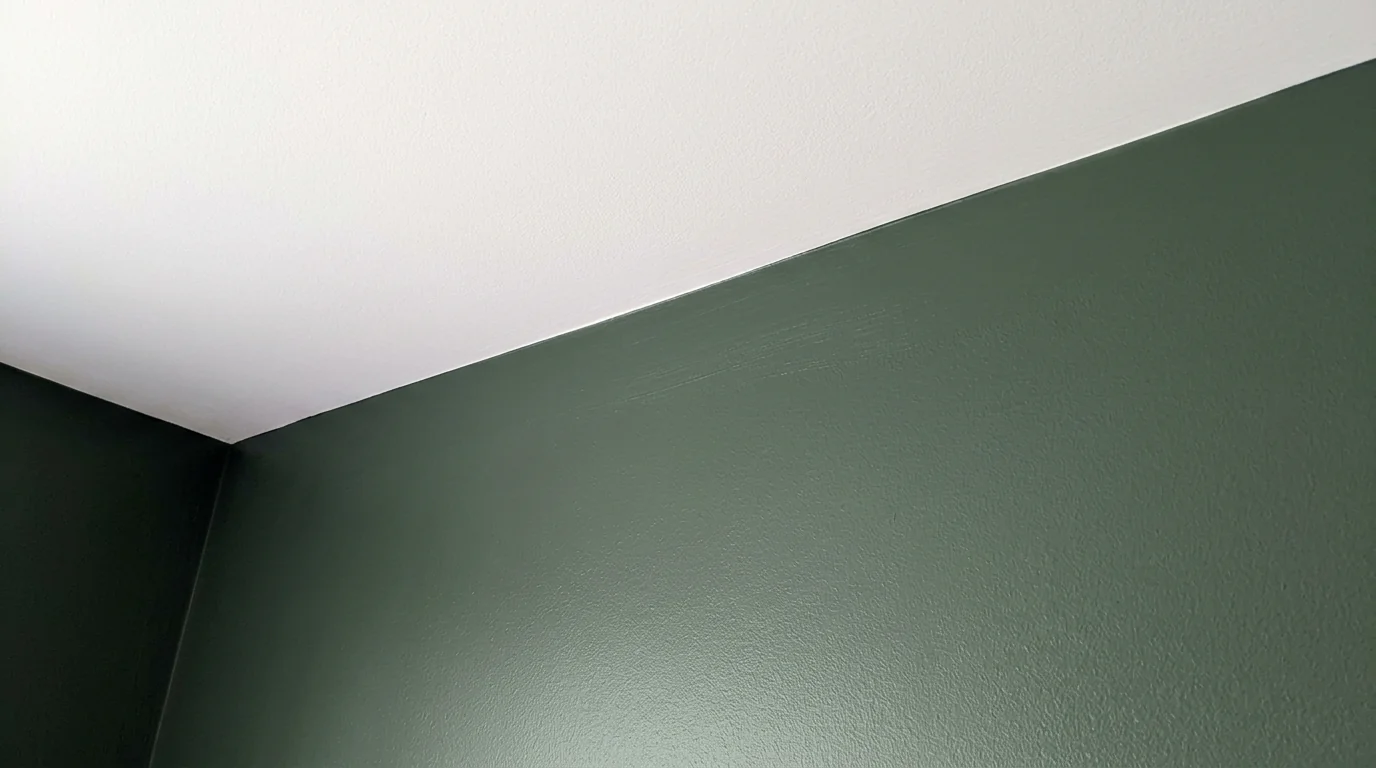
Interior House Painting
Walls painted room by room or across the whole house, with furniture moved, floors covered and two full coats rolled over clean cut lines.
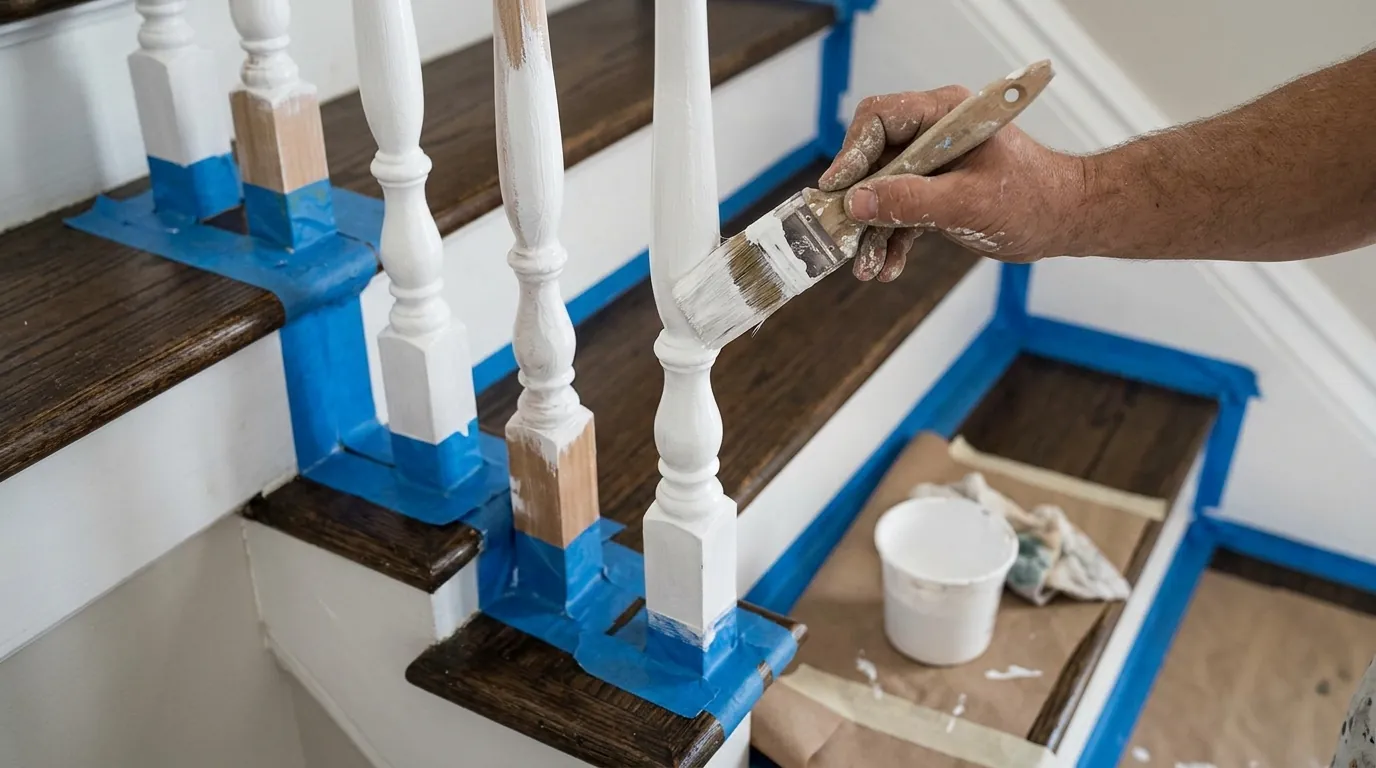
Staircase & Railing Painting
Risers, stringers, handrails and spindles painted by hand, with treads finished in floor-grade paint or kept stained for a classic two-tone stair.
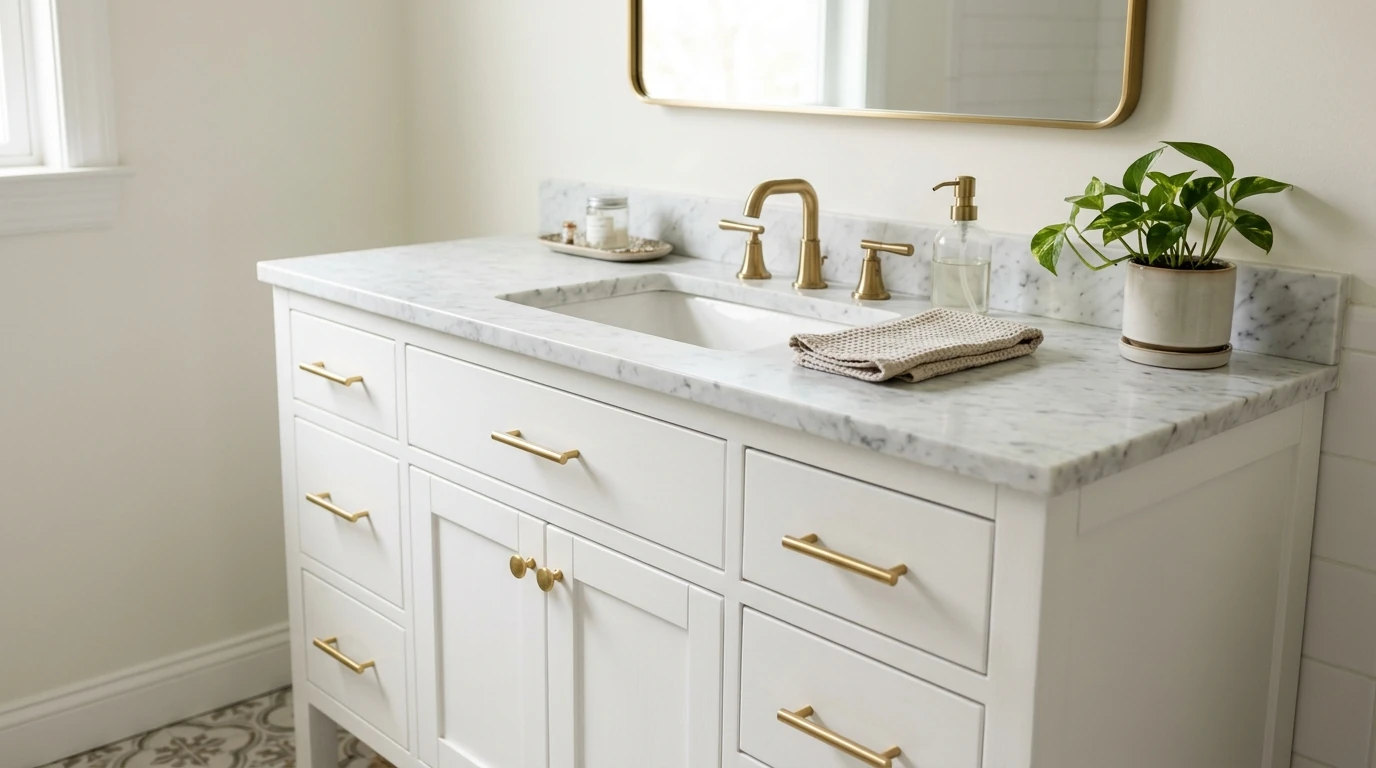
Built-In & Furniture Painting
Bookcases, built-in cabinetry, mantels, vanities and painted furniture finished with sprayed, hard enamels that resist daily wear.
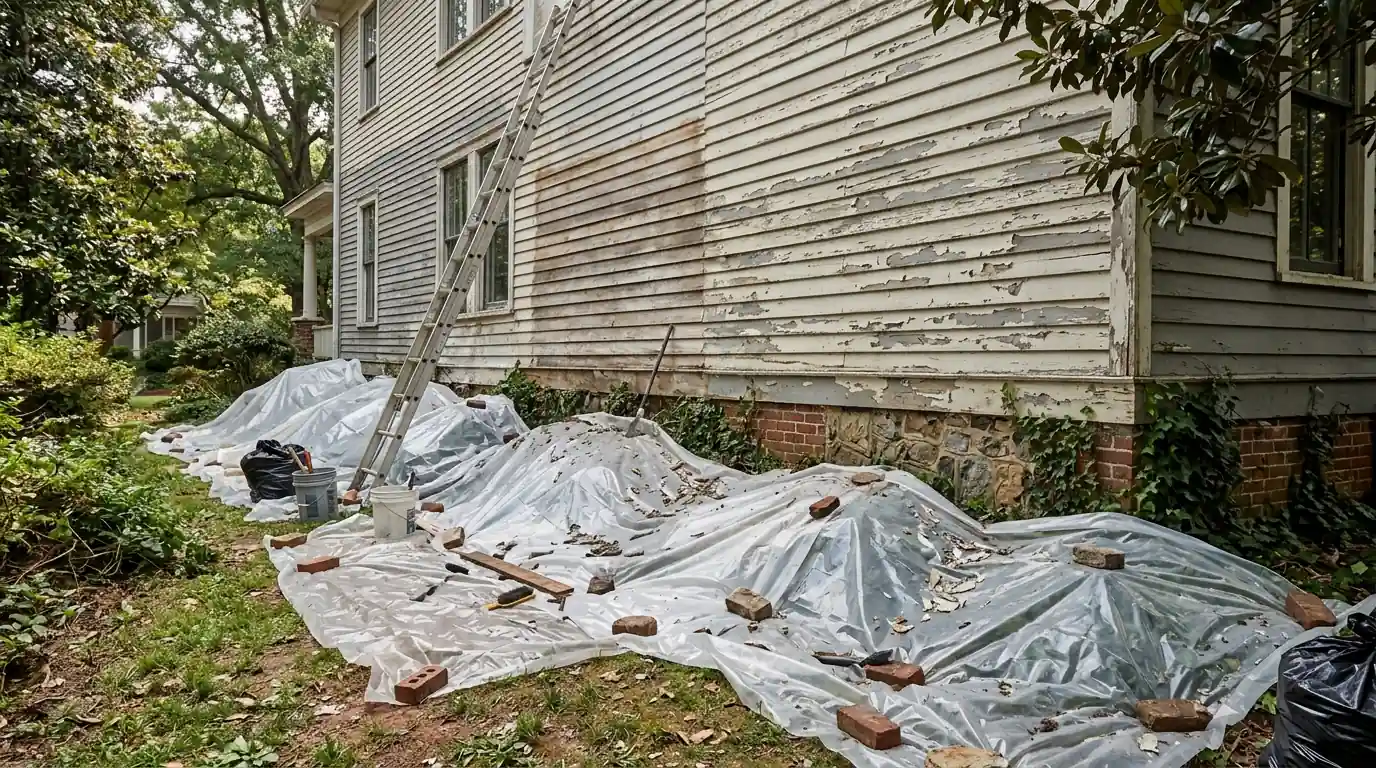
Lead-Safe Painting
Painting on homes built before 1978 using EPA lead-safe work practices: containment, wet methods, HEPA cleanup and cleaning verification.
Talk through your trim, door & baseboard painting job
Call any time. We will ask a few questions, set a walkthrough time and put the scope and price in writing.