Interior painting in Atlanta
Staircase and railing painting in Atlanta homes
Stairs take more wear than any other painted surface in the house. Scuffed risers, sticky handrails and dozens of chipped spindles add up fast, and most people put the job off because it looks tedious. It is, which is why we do it.
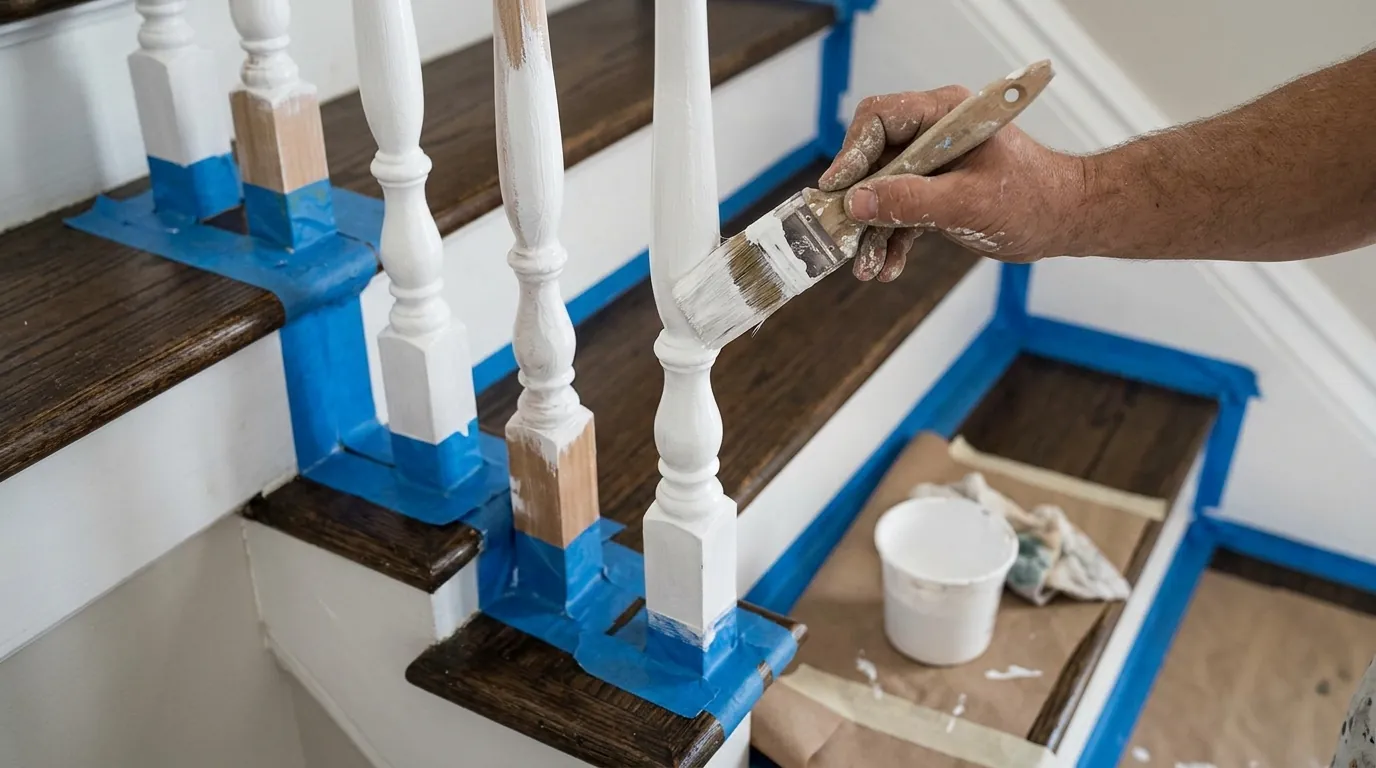
We paint interior staircases: risers, stringers, skirt boards, handrails, newel posts and balusters, with treads finished in a hard floor enamel or left stained for a two-tone look. A typical straight staircase with 30 to 40 spindles takes two to four days. Typical cost runs $1,365 to $3,890. Call (470) 458-0461 for a free walkthrough.
A staircase is really four jobs in one: a floor you walk on, a railing you grip, a row of spindles that collects dust, and trim on each side that shoes kick all day. Each piece needs a different product. Handrails need a finish that won't feel tacky in humid weather. Risers and skirt boards need a scuff-resistant enamel. Treads, if they're painted, need a floor-rated coating with some grip. We plan the products piece by piece before anything gets sanded.
Spindles are the slow part. Each baluster gets sanded, wiped and brushed by hand on all four faces, and we check the bottom where it meets the tread, since that joint is where old paint builds up and cracks. Spraying stairs inside a lived-in home means masking the whole stairwell, so we usually brush the balusters and only spray when the house is empty or the stair is being converted from stain to paint.
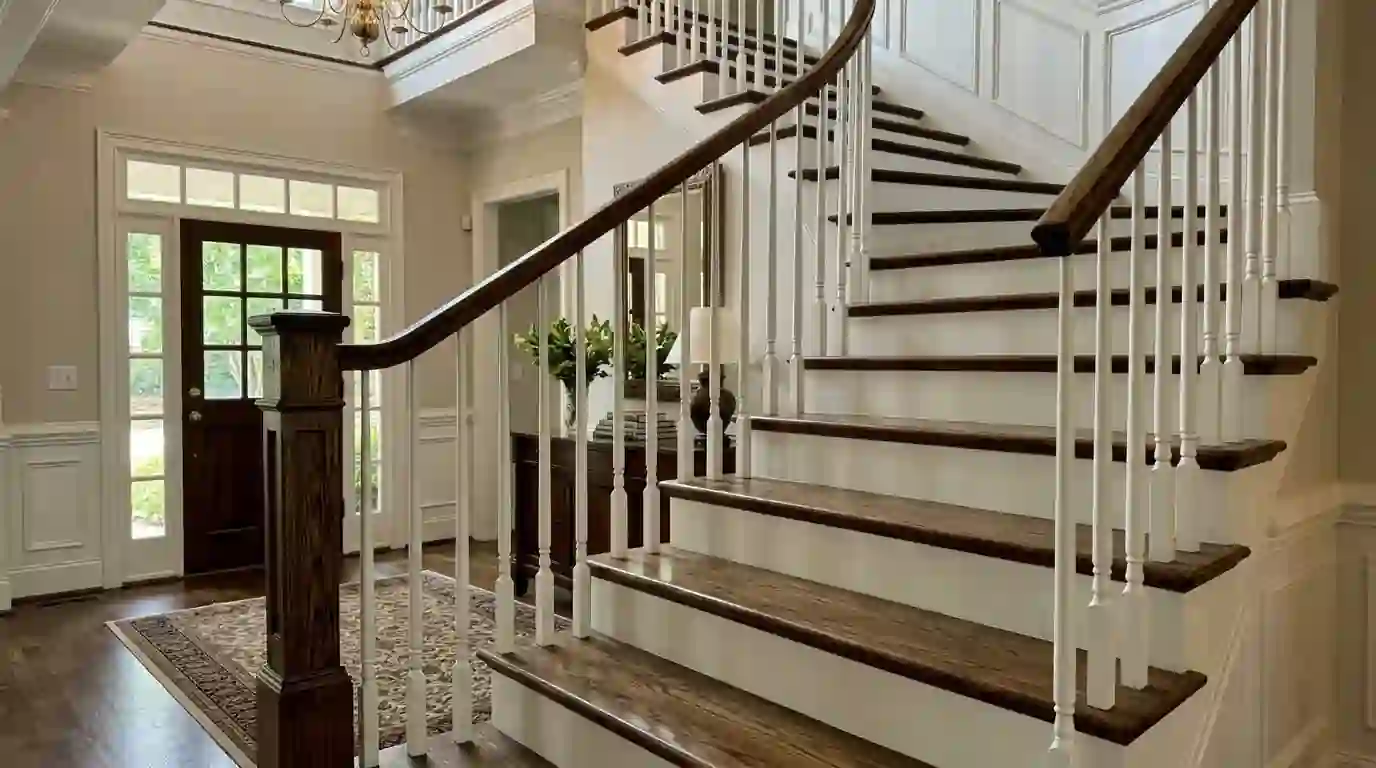
Because the family still needs to get upstairs, we work in halves. We paint every other tread, or one side of each tread, so there's always a dry path up and down. The two-tone look, with white risers and stained treads, is the most common request we get, and it often goes along with refinishing the stained handrail or repainting the trim along the stairwell.
When to call
Signs your staircase needs refinishing
Black scuffs on risers
Toes hit the front of each riser on the way up. Once the paint is scuffed through to primer or wood, washing won't help and a harder enamel is the fix.
Sticky or gummy handrail
A handrail that feels tacky has usually been painted with wall paint or a soft latex. Hand oils and humidity keep it soft. It needs sanding and a harder finish.
Cracked paint where spindles meet treads
Seasonal movement opens the joint at the bottom of each baluster, cracking the paint in a neat ring. Caulking and repainting closes it for a cleaner look.
Worn paths on painted treads
Painted treads wear to bare wood down the middle first. If yours show a walking path, they need a floor-grade paint or a switch back to stain and polyurethane.
Wobbly balusters
Loose spindles move enough to crack the paint at both ends. We reglue or pin loose ones with a brad nailer before painting so the new finish has a stable base.
Dated orange oak railing
Builder oak railings from the 1990s and 2000s often look orange next to newer floors. Painting the balusters and restaining the rail darker is a common update.
Scope of work
What our staircase painting includes
- Protecting floors at the top and bottom landings and covering the wall side
- Tightening loose balusters with glue or brad nails before any sanding
- Sanding every spindle, newel post and handrail face by hand
- Caulking gaps where balusters meet treads and where skirt boards meet walls
- Bonding primer on previously stained or glossy surfaces before enamel
- Two coats of enamel on risers, stringers, skirt boards and balusters
- Floor enamel or stain and polyurethane on treads, depending on your choice
- Working in alternating sections so the stairs stay usable every day
How the job runs
How we paint a staircase you still use every day
| Step | What happens |
|---|---|
| A1 | Choose the finish layoutWe agree on what gets paint and what stays stained. Common layouts are white risers with stained treads, a painted railing with a stained cap, or everything painted in one color. |
| A2 | Mask and protectFloors at both landings get drop cloths, the adjacent wall is masked along the skirt board, and any carpet runner edges are taped and covered. |
| A3 | Repair and sandLoose balusters get glued or pinned, dents in treads are filled, and every surface to be painted is sanded. Stained parts staying stained are masked off at this point. |
| A4 | Prime and caulkBare and stained wood gets a bonding or stain-blocking primer. After it dries, we caulk the baluster joints and skirt board gaps and let the caulk skin over. |
| A5 | Paint in alternating halvesWe paint one half of the treads or every other step first, mark the dry path with tape, and finish the rest the next day. Balusters and the railing are brushed between. |
| A6 | Cure and reopenTreads need the longest cure before shoes. We give you a timeline for socks only, then shoes, and we leave a small labeled can of each color for future touch-ups. |
Atlanta conditions
Atlanta staircases and the finishes that suit them
The staircases we paint around Atlanta tend to match the era of the house. Two-story homes from the 1990s and 2000s in places like Johns Creek and Kennesaw usually have open oak railings with 40 to 70 turned spindles and a carpeted or stained stair, while intown townhomes often have closed stairs with painted MDF stringers and short metal or wood rails. Older craftsman homes sometimes have narrow back stairs with years of paint buildup. Each layout needs a different amount of handwork, so we count balusters at the walkthrough.
Humidity is the main thing that changes how stairs cure here. A handrail painted with the wrong product can stay slightly tacky through an Atlanta summer, and treads can print from socks or bare feet for days. We use enamels with good block resistance on handrails and give treads extra cure time during humid months, keeping the HVAC running to pull moisture out of the stairwell. In pre-1978 homes, we test old stair paint for lead before sanding.
Where we do this work most
Built pages for neighborhoods and cities we cover, with ZIP codes.
Typical costs
Typical staircase and railing painting costs in Atlanta
Stairs are priced by the number of steps and balusters rather than square footage, because hand work drives most of the time. These ranges assume a standard interior staircase in an occupied home with paint or stain in fair condition. Converting stained stairs to paint, or painting spindles in two colors, lands toward the upper end. The painting price guide has more detail on interior projects.
| Work | Typical range |
|---|---|
| Balusters, per spindle | $14 to $33 |
| Risers and stringers, straight staircase of 13 to 15 steps | $485 to $1,165 |
| Handrail and newel posts, painted or restained | $265 to $735 |
| Full straight staircase, two-tone | $1,365 to $3,890 |
Typical Atlanta ranges, not a quote. Your written estimate follows a free walkthrough. Compare other jobs on our painting price guide.
What moves the price
- Number of balusters and their profile
- Converting stained stairs to paint
- Floor enamel versus stain and polyurethane on treads
- Open landings, curved rails or a second flight
- Loose spindles needing repair
Paints and finishes we use on stairs and railings
Risers, stringers and balusters usually get Benjamin Moore Advance or Sherwin-Williams Emerald Urethane Trim Enamel in satin or semi-gloss over a coat of Zinsser Bulls Eye 1-2-3 Plus or a shellac primer where wood is stained. For painted treads we use a floor-rated product such as Sherwin-Williams Porch and Floor Enamel or Benjamin Moore Floor and Patio, sometimes with a fine grit additive for traction. Stained treads and handrails get a gel or oil stain and a waterborne polyurethane. Spindles are brushed with small angled sash brushes, which reach the turned details and the backs that rollers miss.
Paints, primers and stains our painters work with every week, from Sherwin-Williams and Benjamin Moore to PPG and Romabio.
Questions
Staircase & railing painting questions from Atlanta homeowners
Can I still use the stairs while you're painting them?
Yes. We paint in halves, either every other step or one side of each step, and leave a marked dry path. You may need to step carefully for two or three days. Pets are the bigger problem, since they don't follow tape lines, so we suggest keeping them off the stairs while treads are drying.
Should I paint my stair treads or keep them stained?
Painted treads look clean but show wear in a walking path within a few years, and they can be slippery in socks. Stained treads with polyurethane wear more gracefully and can be recoated without sanding to bare wood. Most clients choose painted risers with stained treads, which keeps the wear surface tough and the look crisp.
How long before we can walk on painted stair treads in shoes?
Floor enamels are usually fine for socks after about 24 hours and for shoes after 48 to 72 hours, depending on humidity. Full hardness takes closer to a week. Putting a runner or rug back on too soon can leave a pattern in the paint, so wait a full week for those.
Do you paint metal balusters too?
Yes. Iron and steel balusters common in 2000s homes get cleaned, scuff-sanded and primed with a metal primer before a satin enamel. Many homeowners switch dated brass or bronze to matte black. We protect the wood rail with tape while painting the metal. For outdoor railings, see exterior metal railing painting.
Is it possible to stain a railing that has been painted?
Only by stripping it to bare wood, which takes time on turned spindles and often reveals filler and stains. Handrails are usually the easiest part to strip and restain, while balusters are better kept painted. We'll look at what's under the paint before recommending a restain.
Related work
Jobs that often go with this one
Interior Wood Staining
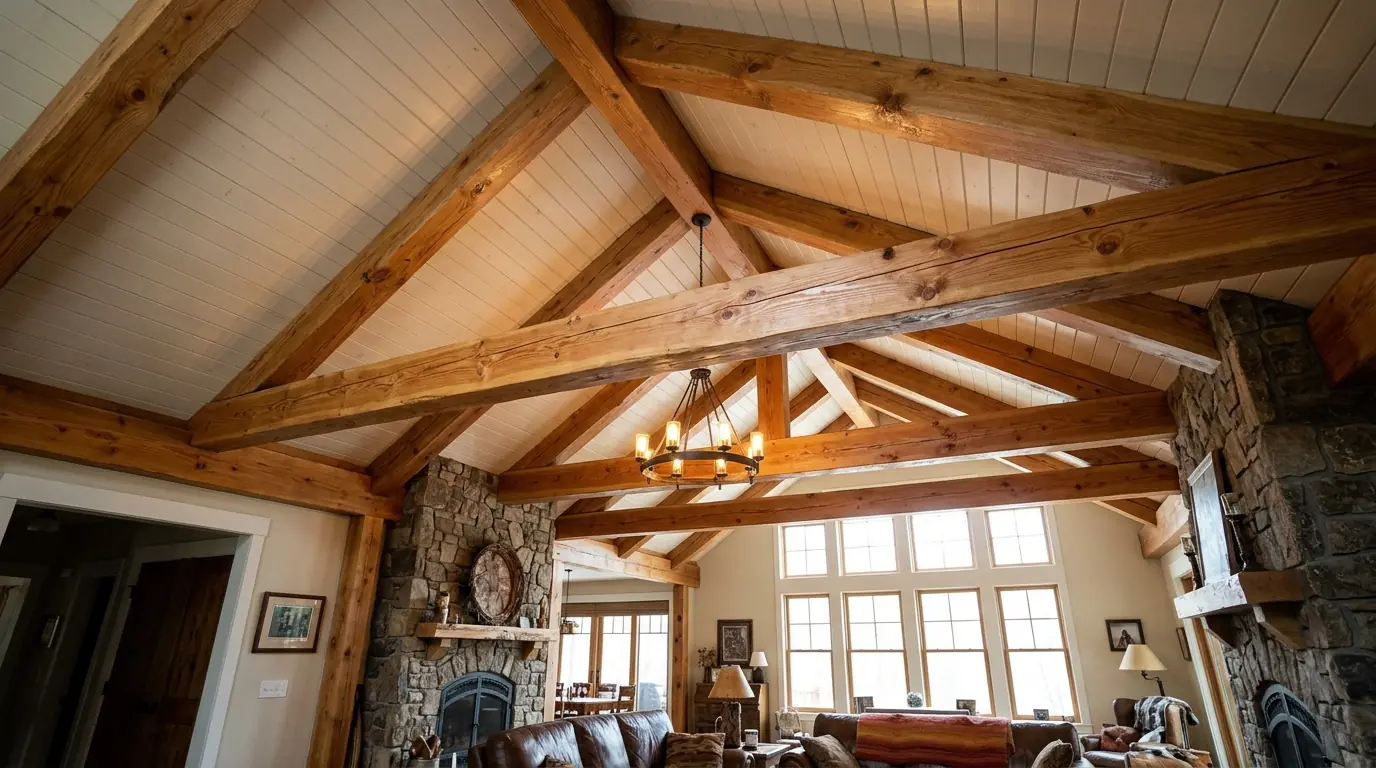
Stained trim, paneling, doors and beams refinished or restained, with conditioner, gel stains and a clear polyurethane topcoat.
Trim, Door & Baseboard Painting
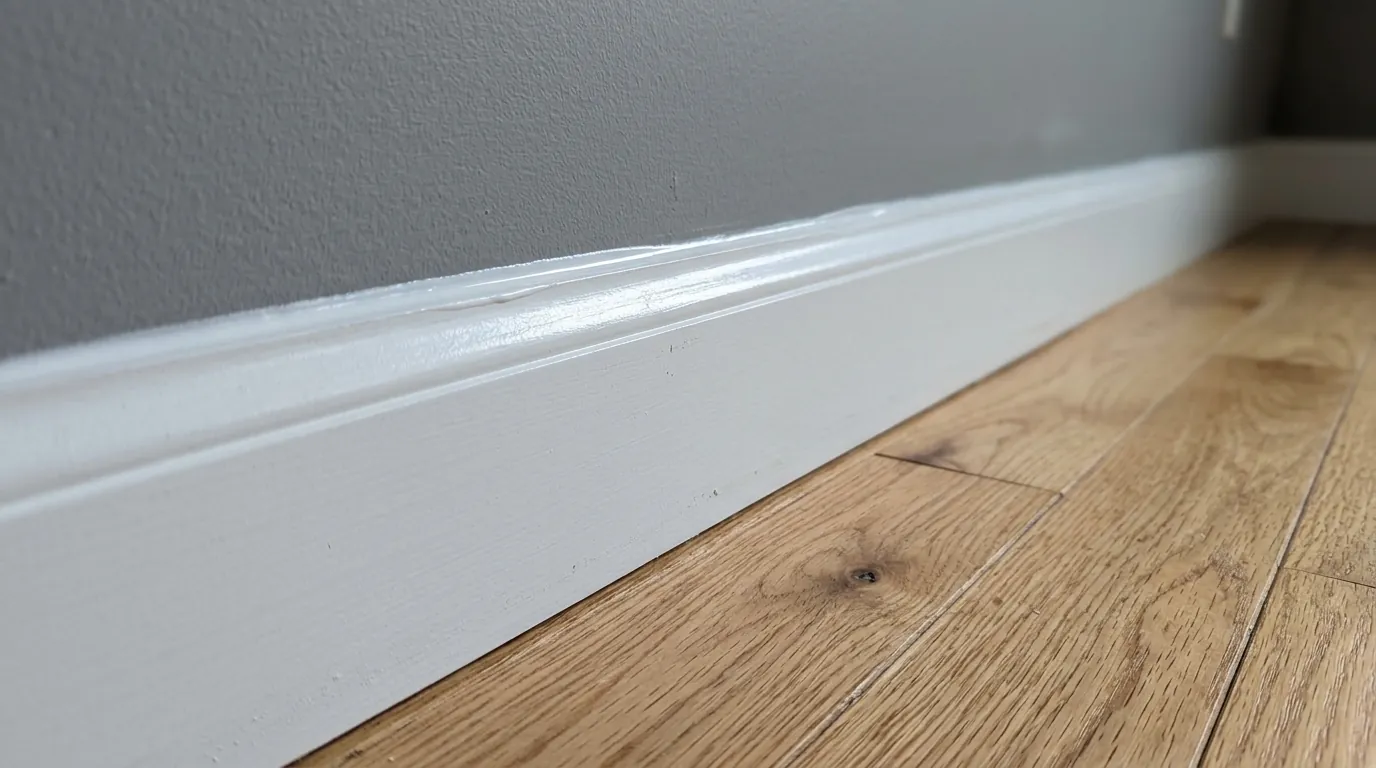
Baseboards, crown, casings and interior doors sanded, caulked and finished in a hard enamel that resists scuffs and wipes clean.
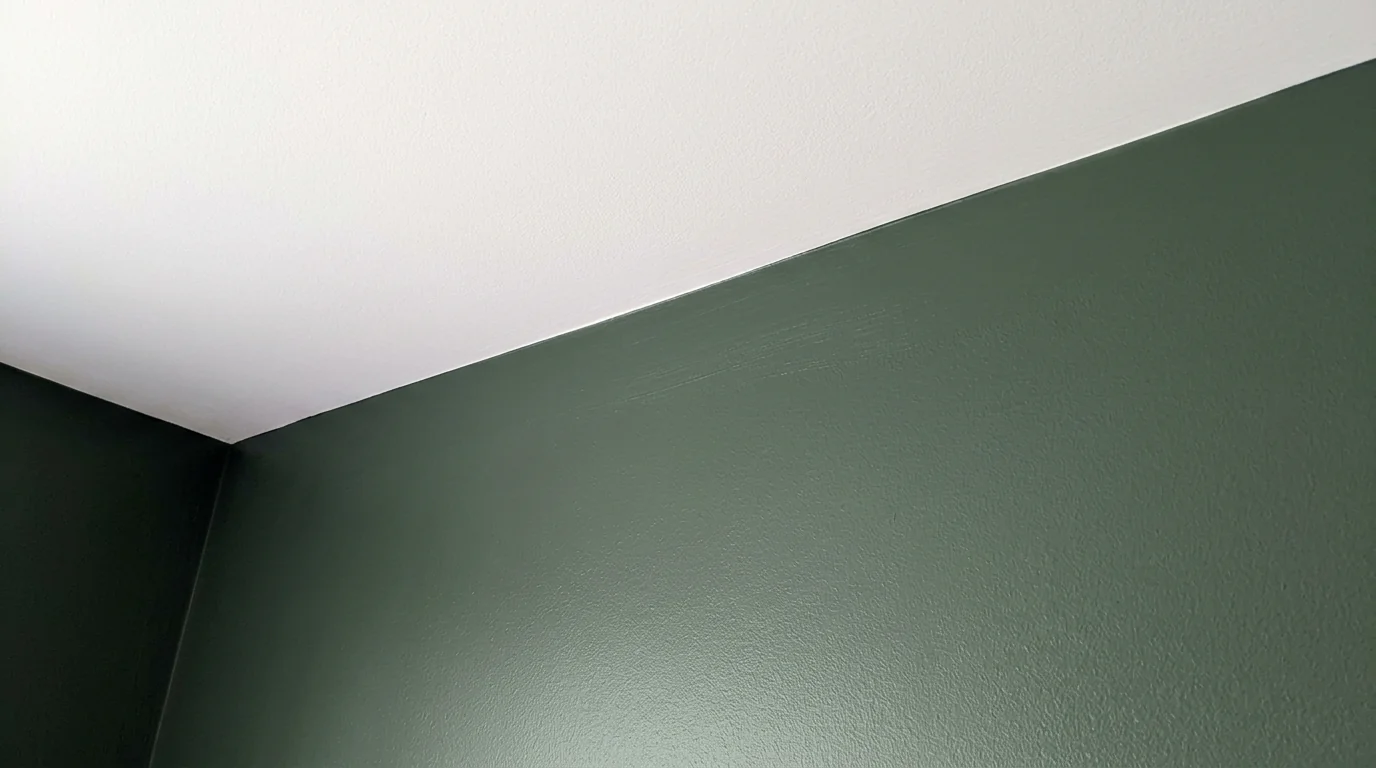
Interior House Painting
Walls painted room by room or across the whole house, with furniture moved, floors covered and two full coats rolled over clean cut lines.
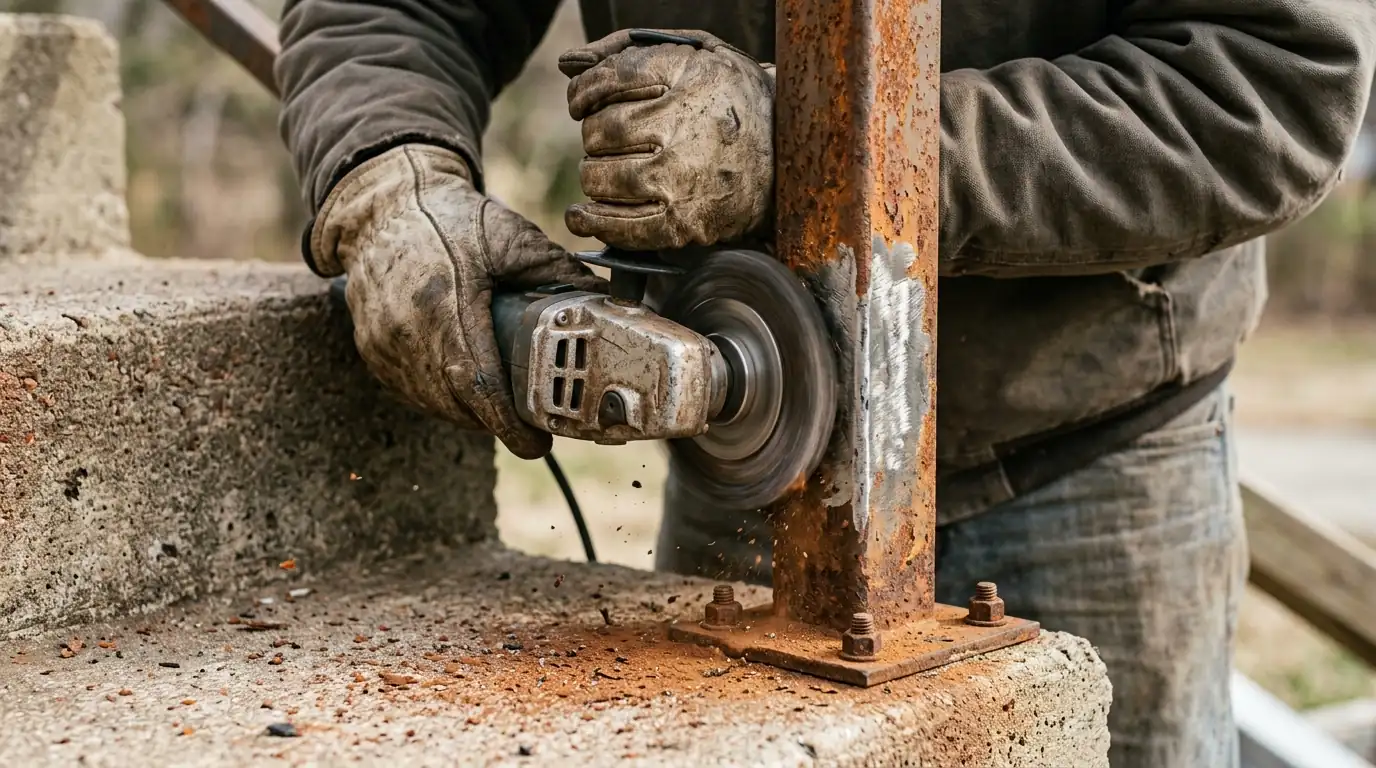
Wrought Iron & Metal Railing Painting
Wrought iron and steel railings, gates and stair rails stripped of rust, primed with rust-inhibiting primer and finished in DTM enamel.
Talk through your staircase & railing painting job
Call any time. We will ask a few questions, set a walkthrough time and put the scope and price in writing.