Interior painting in Atlanta
Interior wood staining and refinishing in Atlanta
Stained woodwork that has gone cloudy, orange or blotchy doesn't need to be painted over. Restaining and a fresh clear coat bring back the grain while correcting the color, and the result reads as warmer and richer than paint.
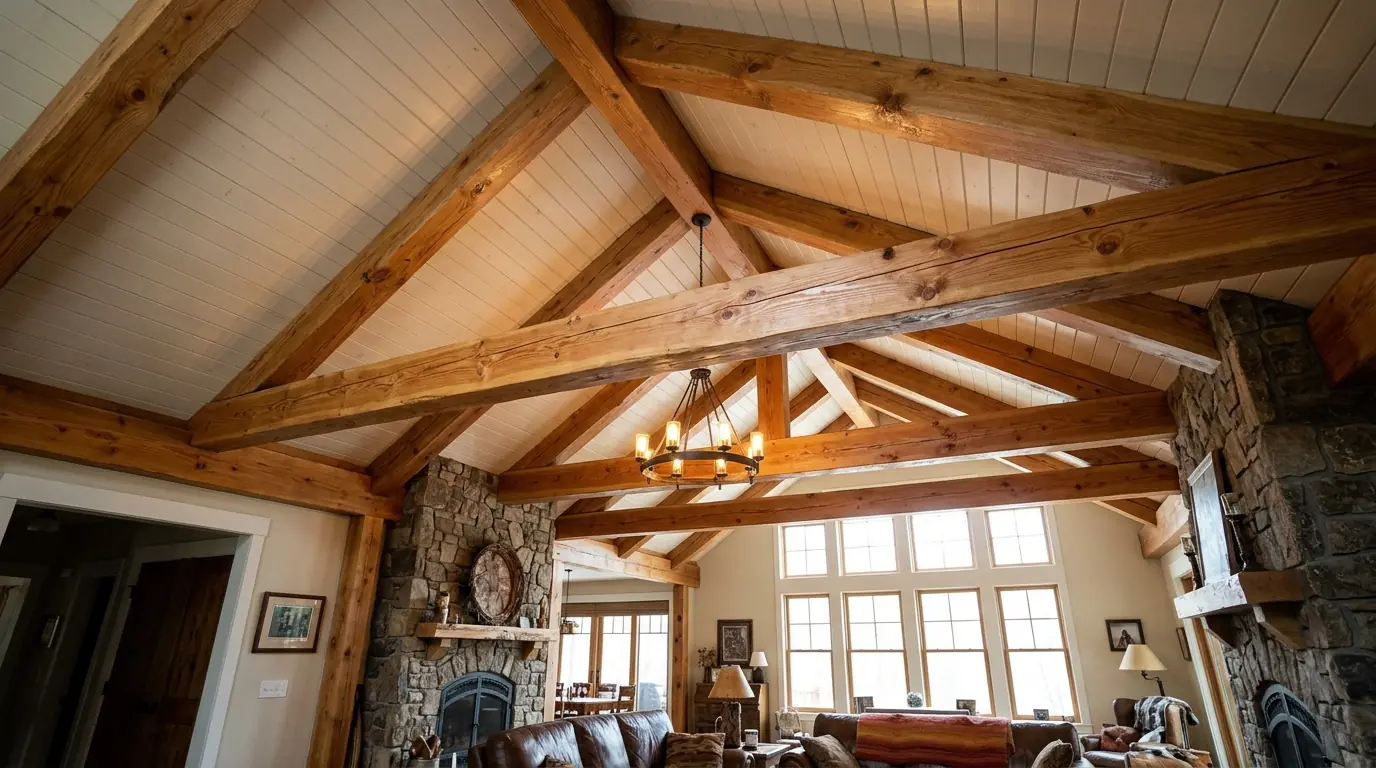
We stain and refinish interior woodwork: trim, doors, paneling, beams, mantels and handrails, using pre-stain conditioner, oil or gel stains and a clear polyurethane topcoat. Most single rooms take two to four days because stain and poly need drying time between coats. Typical cost runs $3.15 to $7.45 per linear foot of trim. Floors are not part of this service. Call (470) 458-0461.
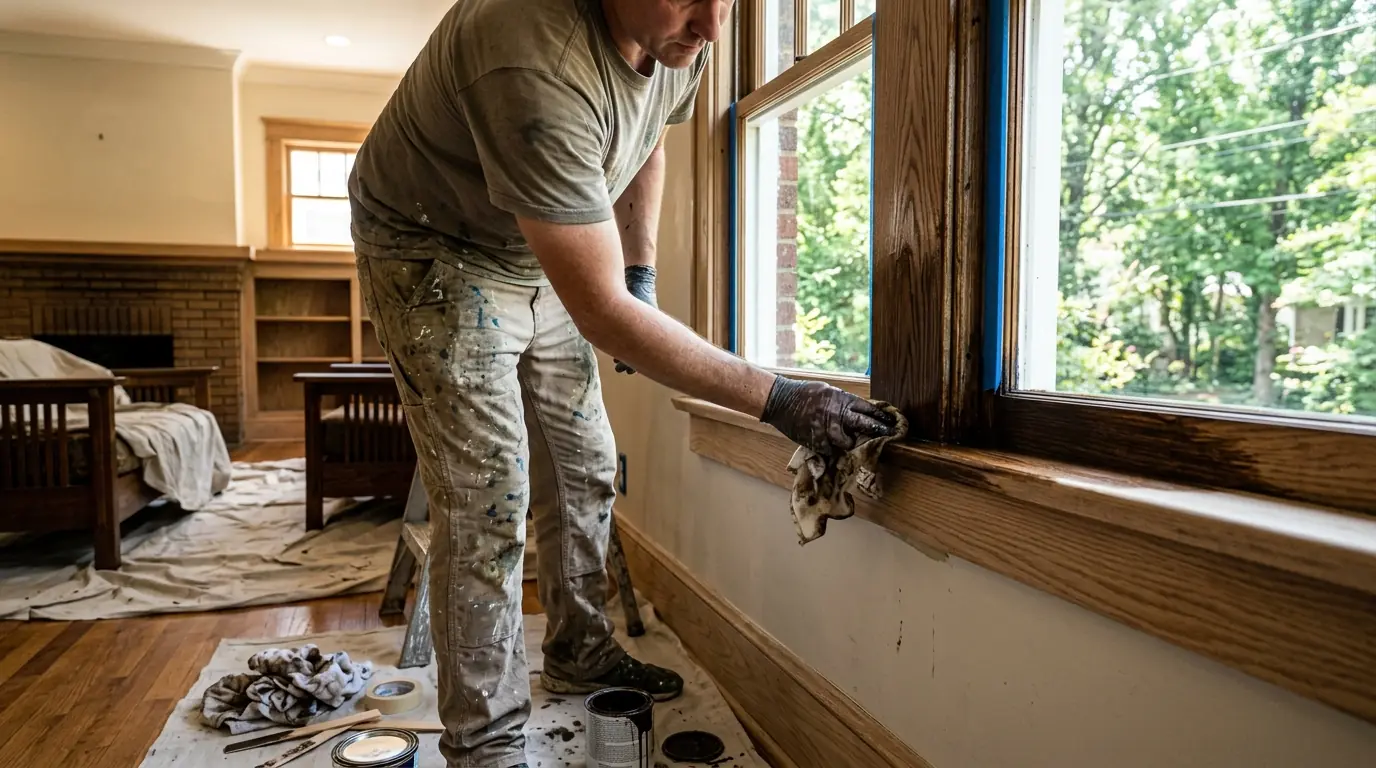
Stained wood behaves differently from painted wood. Paint hides what's underneath, while stain shows everything: sanding scratches, glue spots, patches, and the natural differences in how each board absorbs color. That's why staining takes slower, more careful prep than painting. We sand with progressively finer grits, remove every trace of old finish where we're changing color, and test stain on a hidden spot or a scrap of matching wood before committing.
Softwoods like pine and some hardwoods like maple and cherry absorb stain unevenly and turn blotchy. A pre-stain wood conditioner or a gel stain, which sits more on the surface, evens that out. On previously finished woodwork that just needs refreshing, we sometimes skip full stripping, scuff the old clear coat and apply a tinted gel stain over it to deepen or correct the color. It's faster and less invasive, and it works well when the wood itself is in good shape.
Every stain job ends with a clear protective coat, usually two or three coats of polyurethane in satin or semi-gloss. This page covers trim, doors, paneling, beams and similar woodwork, not floors. Stair parts are a common pairing, often handled with stair and railing refinishing. For mantels and bookcases that you'd rather paint, see built-in painting.
When to call
When stained woodwork needs attention
Cloudy or milky clear coat
Old lacquer and varnish can cloud from moisture or age, hiding the grain. Scuffing and recoating, or stripping in worse cases, brings the clarity back.
Orange or amber tone
Oil-based finishes yellow over decades, pushing oak and pine toward orange. A darker or cooler stain, or a gel stain over the old finish, corrects the cast.
Worn edges and handprints
Door edges, cabinet ends and handrails lose their finish where hands touch most. Bare wood darkens from oils and dirt and needs sanding and refinishing.
Blotchy, uneven color
Pine and maple often stain blotchy without conditioner. If one board looks darker than its neighbors, a gel stain or toner coat can even it out.
Water rings or white marks
Heat and moisture leave white marks in the finish layer. Light marks may buff out, but deeper ones need the clear coat sanded and reapplied.
Mismatched new and old wood
Replacing a door or adding trim leaves raw wood that doesn't match. We color-match by mixing stains and testing on scraps of the same species.
Scope of work
What our interior staining service covers
- Testing the existing finish and wood species before choosing a method
- Cleaning woodwork with a degreaser to remove wax, oils and polish
- Chemical stripping or sanding where a full color change is needed
- Sanding through progressive grits so the stain absorbs evenly
- Pre-stain conditioner on blotch-prone woods like pine, maple and birch
- Oil, water-based or gel stain applied and wiped to the chosen color
- Two or three coats of polyurethane with light sanding between coats
- Masking walls, floors and hardware throughout the job
How the job runs
How we restain and refinish interior woodwork
| Step | What happens |
|---|---|
| A1 | Identify the finish and woodWe test the old clear coat with solvent to see if it's lacquer, shellac, varnish or polyurethane, and check the species. That decides whether we strip, sand or gel stain over it. |
| A2 | Sample the colorWe make stain samples on a hidden spot or a matching scrap so you see the color on your actual wood. Stain charts rarely match real results on older trim. |
| A3 | Strip or sandFor a color change, old finish comes off with stripper and fine scrapers on profiles, then sanding. For a refresh, we scuff the existing clear coat. |
| A4 | Condition and stainConditioner goes on blotch-prone wood, then stain is applied and wiped back. Darker colors may need a second coat after the first dries. |
| A5 | Seal with polyurethaneTwo or three coats of polyurethane follow, with light sanding between coats to knock down raised grain and dust. The final coat is left to cure undisturbed. |
| A6 | Reinstall and touch upHardware goes back, doors are rehung, and we check every piece under good light for missed spots or runs before cleanup. |
Atlanta conditions
Atlanta homes and interior stain work
Stained woodwork in Atlanta shows up in two main places. Craftsman bungalows and Tudors in older intown neighborhoods often have original heart pine or oak trim, built-ins and paneled doors with layers of shellac and varnish. Homes from the 1980s and 1990s in places like Roswell and Dunwoody have oak or pine paneling in dens and stained trim throughout. Heart pine is dense and resinous, so it takes stain unevenly, while builder oak absorbs it readily. The method changes accordingly.
Humidity affects stain work more than paint. Oil stains and polyurethane dry slowly when indoor humidity is high, and applying the next coat too early traps solvent that keeps the finish soft or cloudy. In summer, we often switch to waterborne polyurethanes, which dry faster and don't amber, and we keep the HVAC running during the job. In homes built before 1978, painted woodwork that's being stripped back to stain gets tested for lead before sanding.
Where we do this work most
Built pages for neighborhoods and cities we cover, with ZIP codes.
Typical costs
Typical interior staining costs in Atlanta
Staining costs more than painting the same trim because it needs more sanding, testing and drying between coats. Stripping old finish is the largest cost driver, while refreshing an existing stain is quicker. These ranges cover typical Atlanta-area projects in occupied homes. For comparison with painting the same surfaces, see our painting cost overview.
| Work | Typical range |
|---|---|
| Trim restain and clear coat, per linear foot | $3.15 to $7.45 |
| Interior door, stained both sides | $185 to $395 |
| Wood paneling, per sq ft | $3.65 to $8.15 |
| Exposed beams, per linear foot | $9.35 to $21.65 |
Typical Atlanta ranges, not a quote. Your written estimate follows a free walkthrough. Compare other jobs on our painting price guide.
What moves the price
- Stripping versus refreshing the finish
- Wood species and blotch risk
- Detailed profiles and paneled doors
- Ceiling beams and ladder work
- Number of stain and clear coats
Stains, conditioners and clear coats we use
We use oil-based stains like Minwax and Varathane for traditional penetrating color, and General Finishes gel stains for blotch-prone wood and color correction over existing finish. Pre-stain conditioner goes on pine, maple and birch first. For clear coats, we use waterborne polyurethanes such as General Finishes High Performance for low odor and no yellowing, or oil-based polyurethane where a warmer amber tone is wanted. We sand with 120 to 220 grit, use stain applicator pads and lint-free rags, and brush clear coats with natural bristle or synthetic brushes matched to the product.
Paints, primers and stains our painters work with every week, from Sherwin-Williams and Benjamin Moore to PPG and Romabio.
Questions
Interior wood staining questions from Atlanta homeowners
Can you make my orange oak trim darker without stripping it?
Often, yes. If the existing finish is sound, we scuff it and apply a tinted gel stain, which sits on top and changes the color without sanding to bare wood. It's a good option for oak and pine that has ambered. Very dark or dramatic color changes may still need stripping for an even result, which we test first.
Can painted trim be stripped and stained instead?
It can, but it's slow, especially on profiled molding, and the wood underneath may have patches, filler or mismatched pieces that were fine under paint. We'll strip a small test area to see what's there before quoting. In older homes, lead testing comes first.
Water-based or oil-based polyurethane for interior woodwork?
Water-based dries clear and fast with low odor, and it won't yellow, which keeps light stains true. Oil-based adds a warm amber tone and builds a slightly thicker film. We use water-based in most occupied homes and oil-based when you want that warmer look on darker woods.
Do you refinish hardwood floors?
No, this service covers trim, doors, paneling, beams and similar woodwork, not floors. Floor refinishing uses large sanders and different coatings. If your floors are being refinished, we can coordinate our stain colors with your floor contractor so the trim and floors work together.
How do you keep pine from looking blotchy?
Pine absorbs stain unevenly because of its soft and hard grain zones. We use a pre-stain conditioner, which partly seals the soft areas so color goes on more evenly, or a gel stain, which sits on the surface. Testing on a hidden spot first tells us which one suits your wood.
Related work
Jobs that often go with this one
Staircase & Railing Painting
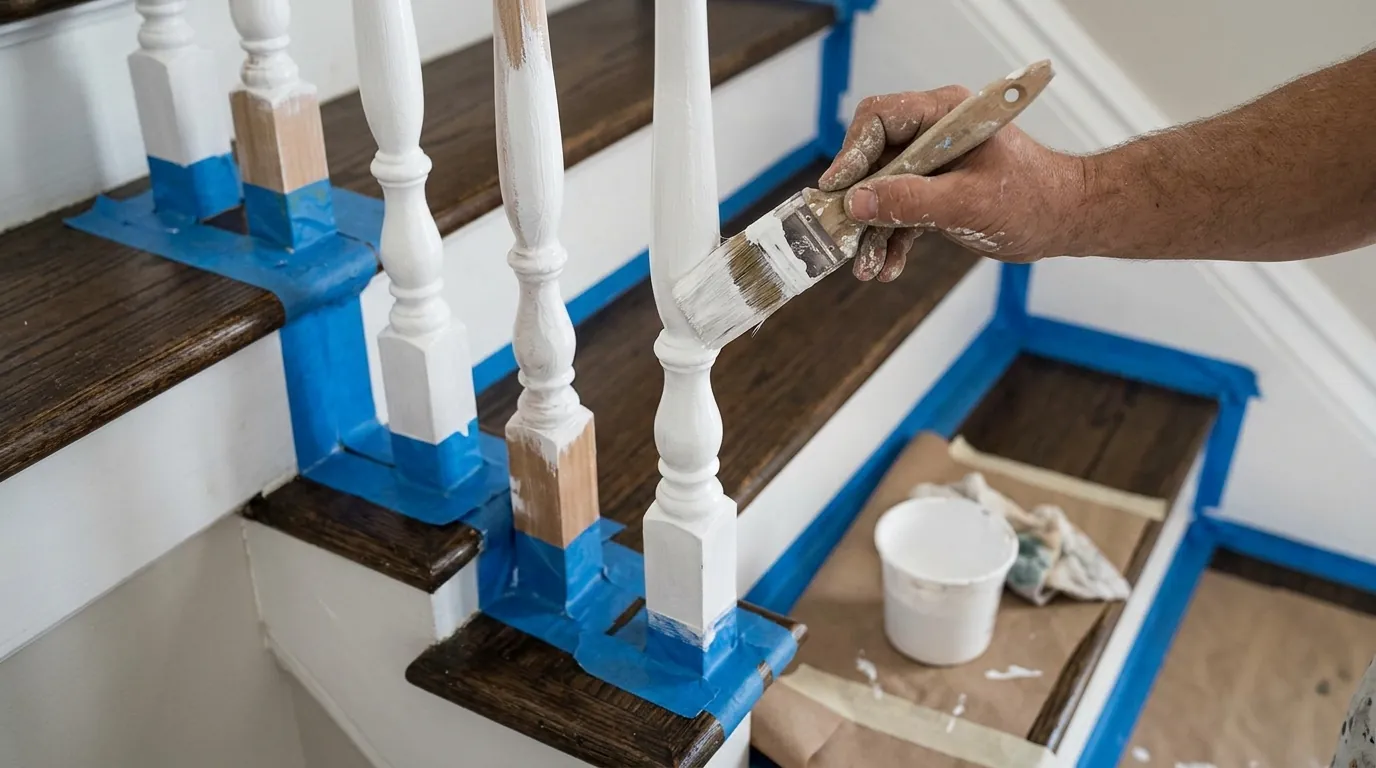
Risers, stringers, handrails and spindles painted by hand, with treads finished in floor-grade paint or kept stained for a classic two-tone stair.
Trim, Door & Baseboard Painting
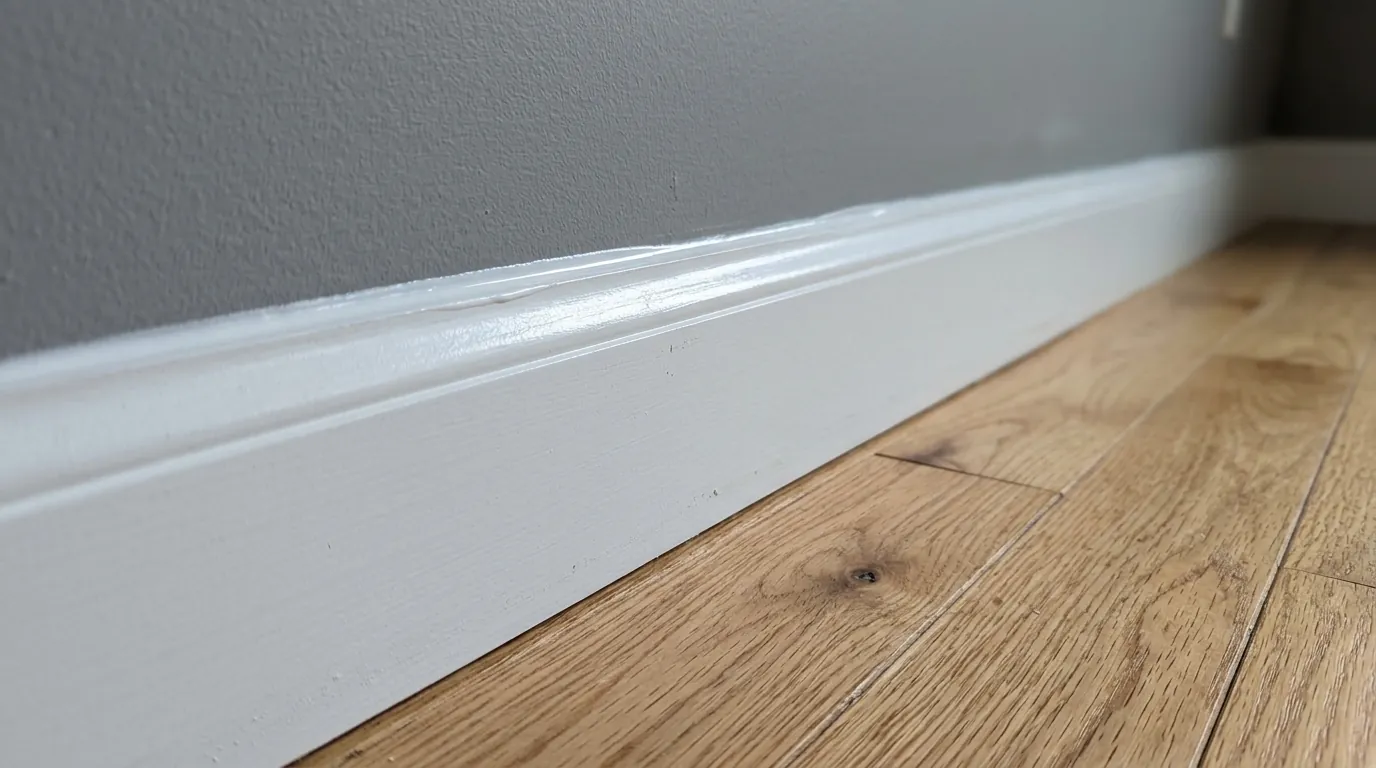
Baseboards, crown, casings and interior doors sanded, caulked and finished in a hard enamel that resists scuffs and wipes clean.
Built-In & Furniture Painting
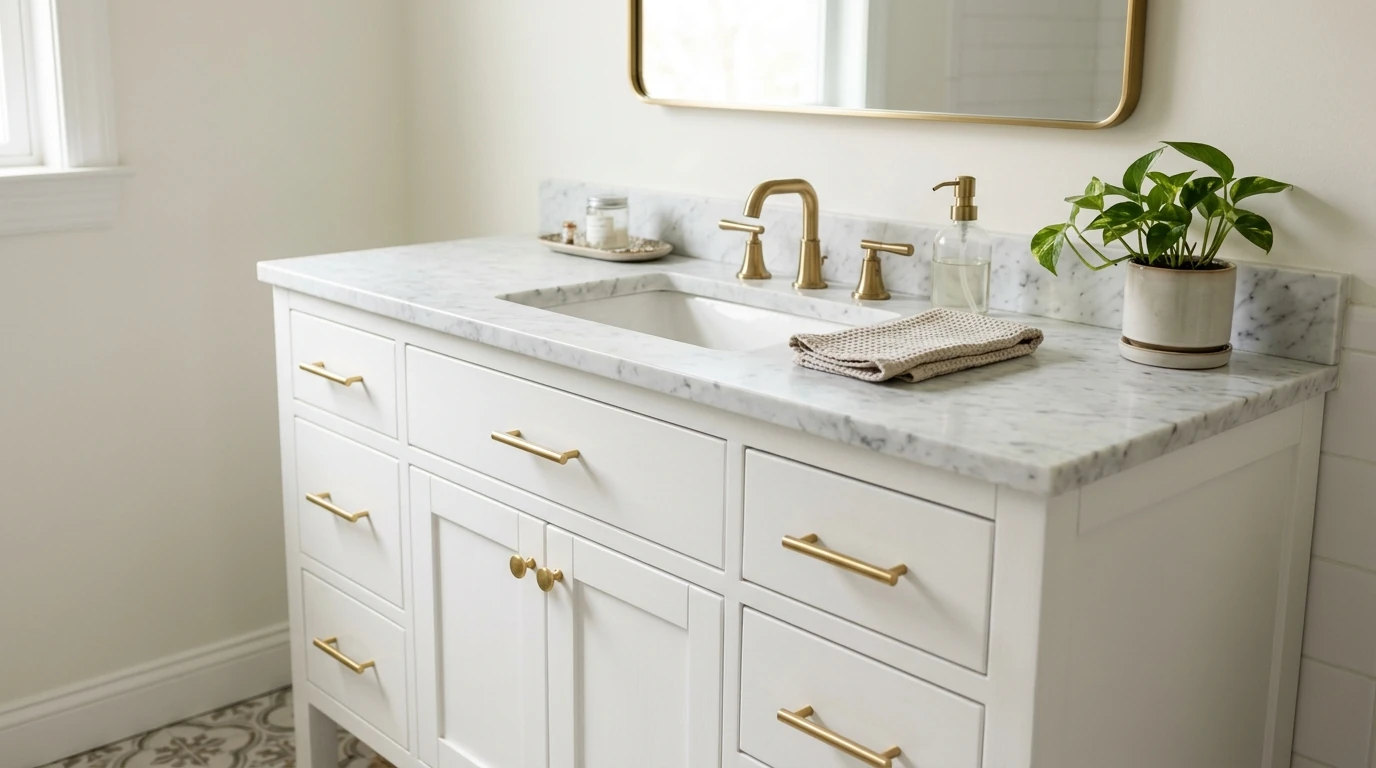
Bookcases, built-in cabinetry, mantels, vanities and painted furniture finished with sprayed, hard enamels that resist daily wear.
Historic Home Painting
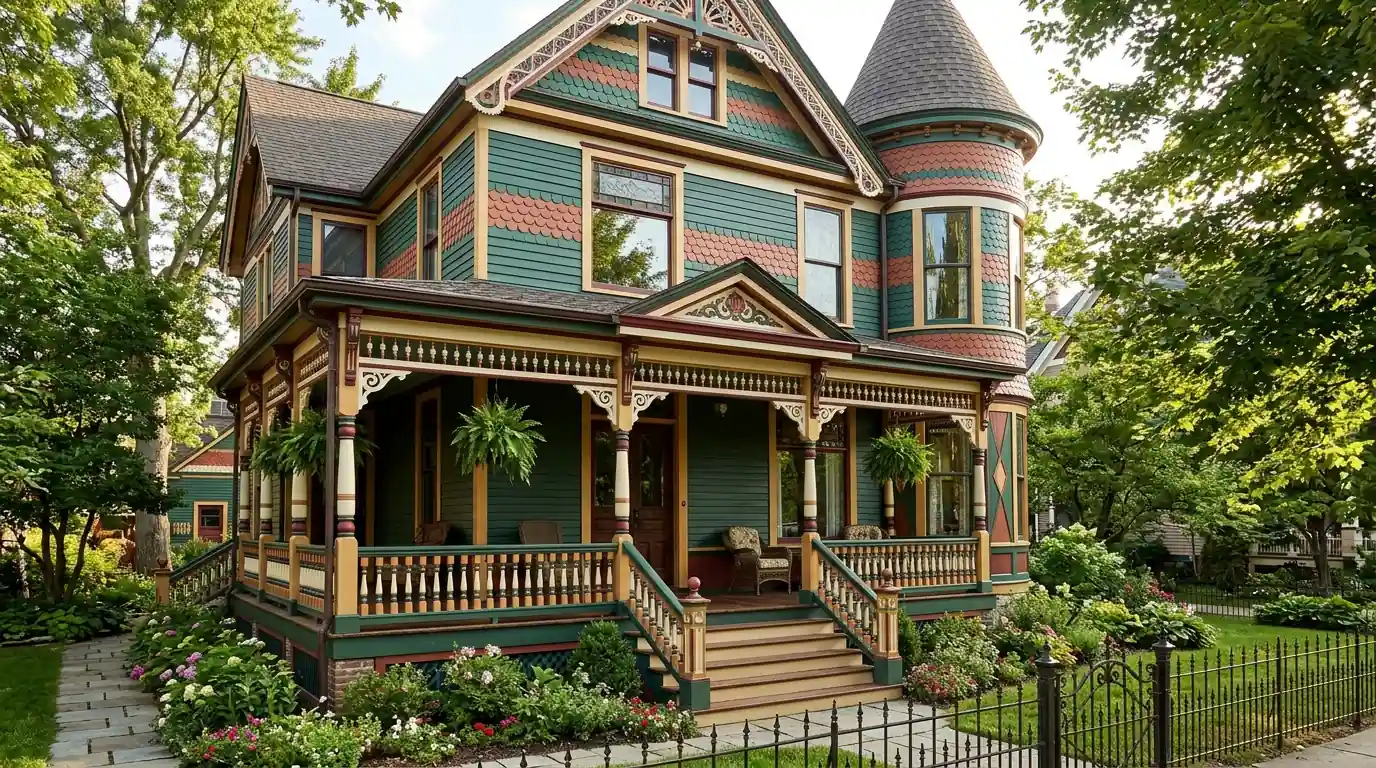
Painting for 1900s to 1930s Atlanta Victorians, craftsman bungalows and Tudors: wood repair, many old layers, period colors, district review.
Talk through your interior wood staining job
Call any time. We will ask a few questions, set a walkthrough time and put the scope and price in writing.