Many Atlanta homes built before 1978 have lead paint somewhere under newer layers. Painting is safe when crews follow EPA lead-safe work practices: testing or presuming lead, containing the work area with plastic, avoiding dry sanding and open-flame removal, collecting all debris and cleaning with HEPA vacuums and wet wiping. Ask any painter how they contain dust and verify cleanup.
Which Atlanta homes are likely to have lead paint
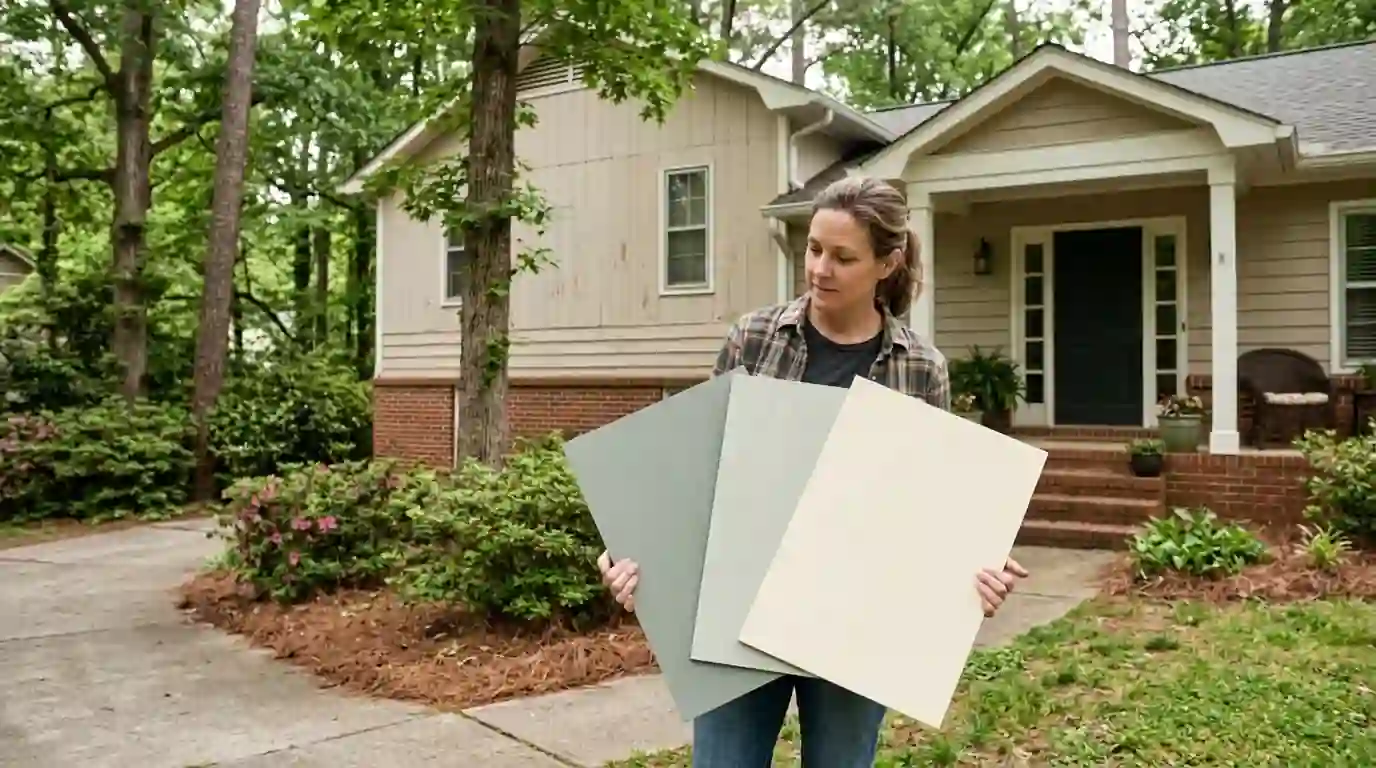
The age of a house is the main clue. Lead was common in residential paint until it was banned for homes in 1978, and the older the house, the more likely it is. Intown craftsman bungalows and Tudors from the 1920s often have several layers of lead paint on trim, windows and porches. Brick ranches from the 1950s and 1960s may have it on wood trim, interior doors and window sashes.
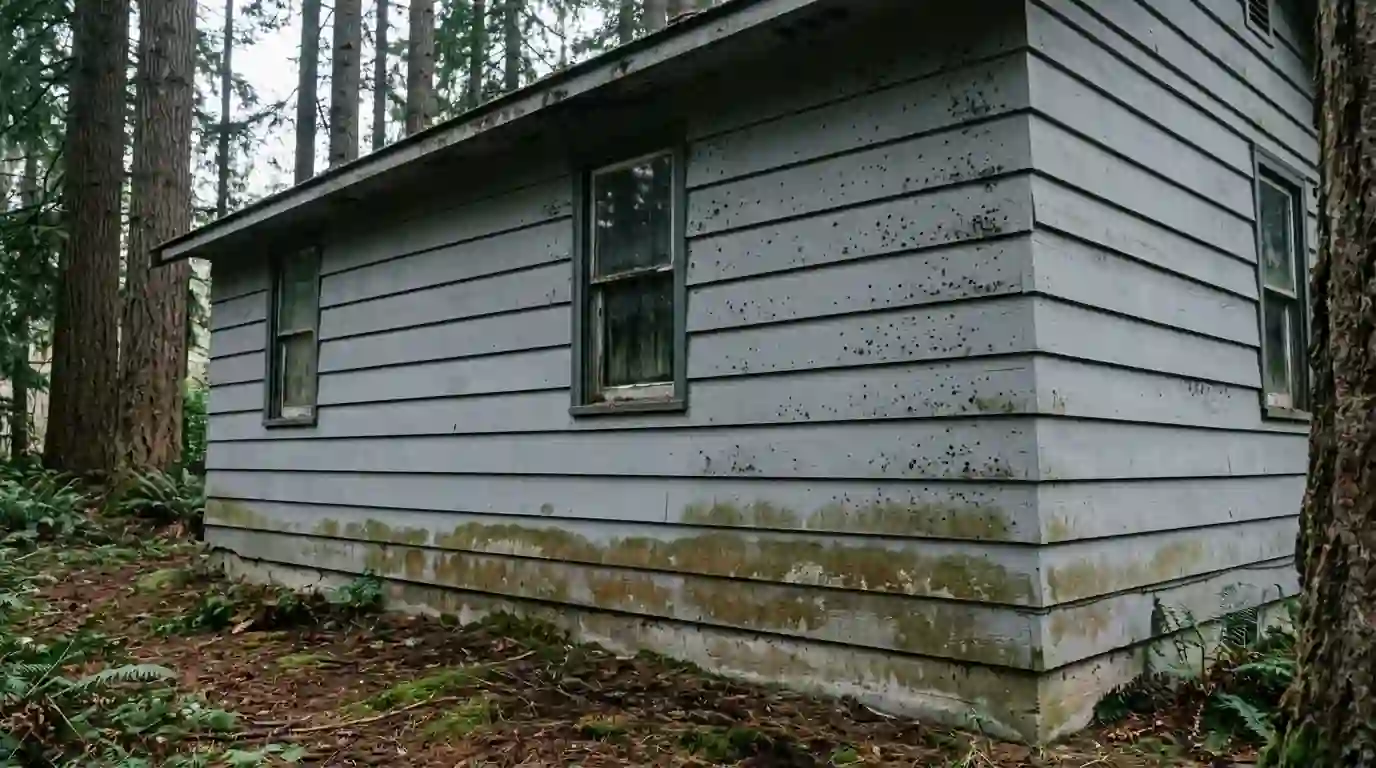
Lead doesn't always show. It's usually buried under newer latex coats, and it only becomes a hazard when it's disturbed or deteriorating. Windows are a common source, because the sash rubbing against the frame grinds old paint into dust. Porch floors, stair railings and door jambs that get worn or chewed are other spots worth noting.
Testing and what results mean
Before scraping or sanding in a pre-1978 home, the paint should be tested or the job should be treated as if lead is present. EPA-recognized test kits give a quick answer for specific spots, and an XRF test from a lead inspector can check many surfaces without damaging them. A paint chip sent to a lab is another option.
Many painters simply presume lead in older homes and use lead-safe methods throughout. That's often the practical choice, since testing every layer on every surface adds cost and time. If you'd rather know exactly where lead is before planning a project, an inspection by a lead inspector gives you a full picture of the house.
What lead-safe work practices look like on the job
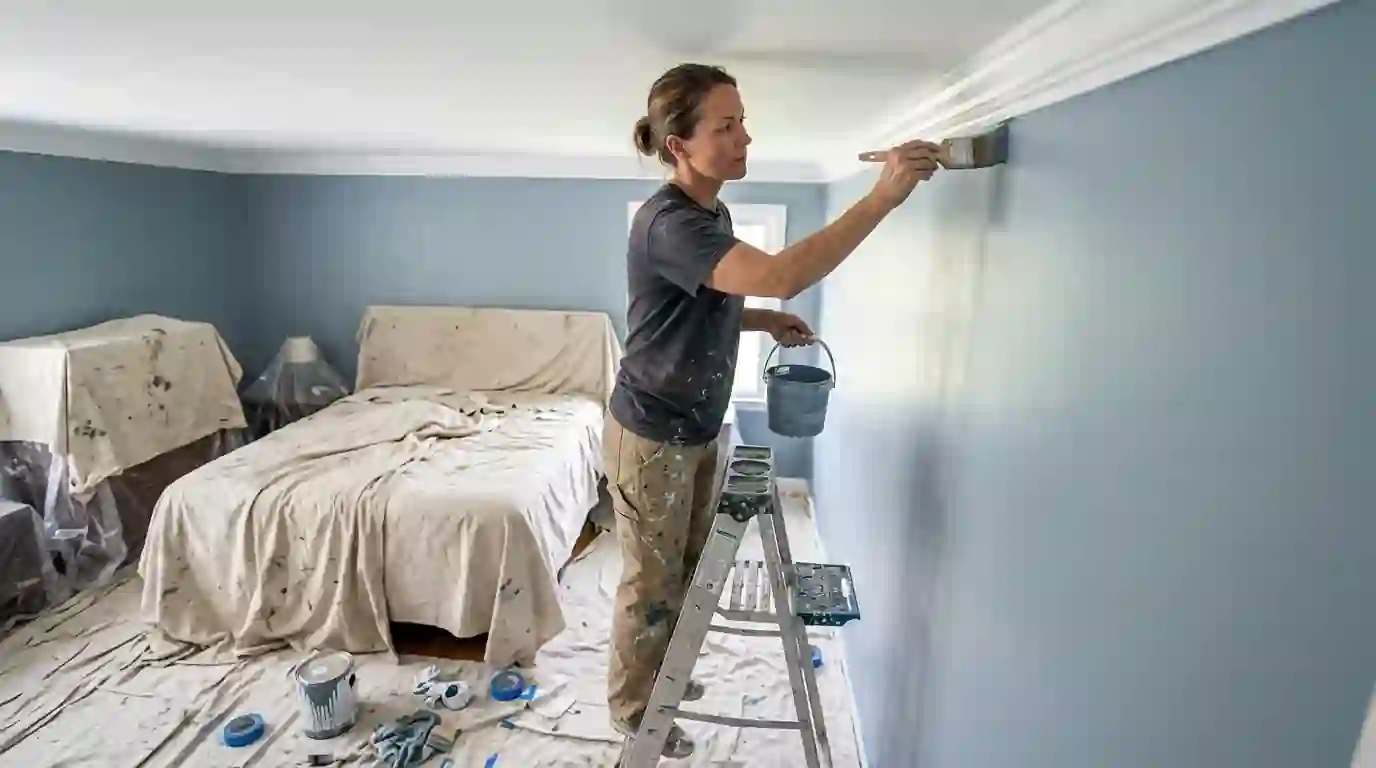
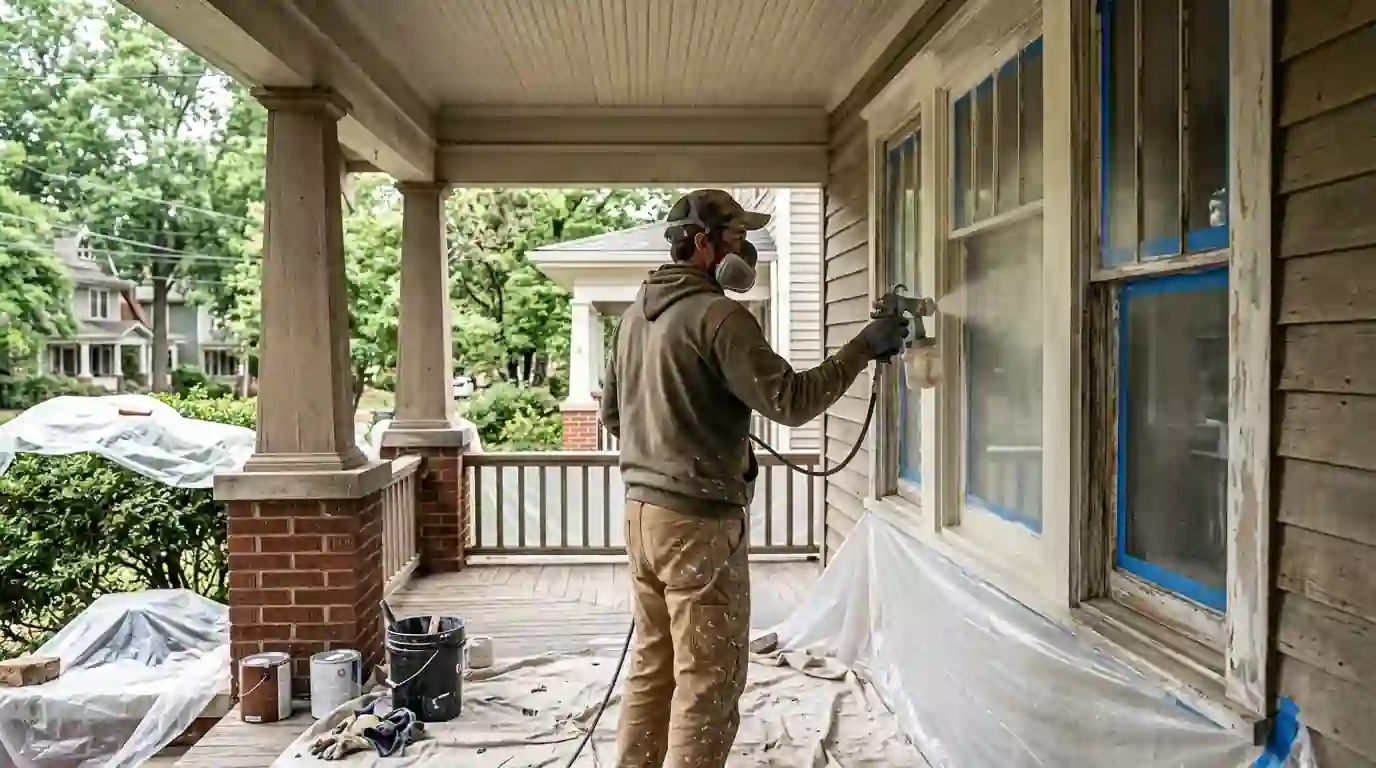
Lead-safe work is about controlling dust and chips from start to finish. Inside, that means sealing off the work area with plastic sheeting, covering floors and closing HVAC vents. Outside, plastic goes on the ground several feet out from the wall, and windows and doors nearby stay closed. Warning signs keep family members and pets out of the work zone.
Some methods are off the table. Open-flame burning, power sanding without HEPA dust collection and dry scraping that throws dust into the air create the most hazardous lead dust. Instead, crews mist surfaces before scraping, use HEPA-attached sanders and chemical strippers where needed, and keep debris contained as they go. Our lead-safe painting jobs follow these EPA practices.
- Plastic sheeting sealed around the work area
- Misting before scraping to keep dust down
- HEPA vacuums and HEPA-equipped sanders
- No open-flame burning or uncontained power sanding
- Debris bagged and sealed daily
Cleanup and verification after the work
Cleanup is where lead-safe work earns its name. Once prep is done, plastic is misted and folded inward, then bagged. Surfaces are vacuumed with a HEPA vacuum and wiped with damp cloths, changing water often. Window sills and floors get special attention, since dust settles there.
After cleaning, the area is checked. A common method compares a wet cleaning cloth wiped across the surface with a verification card. If the cloth is darker than the card, that section is cleaned again. Homeowners who want extra assurance can hire an independent lab to take dust wipe samples once the project is complete.
What homeowners should ask before work begins
A short conversation up front tells you a lot. Any painter working in an older home should be able to explain how they plan to contain dust, which methods they'll use and how cleanup will be checked. If the answers are vague, or the plan involves heat guns or power sanding without dust collection, keep asking.
Also ask for the EPA pamphlet called Renovate Right, which explains lead hazards for homeowners and families. You should receive it before work starts on a pre-1978 home. If you have children under six or someone pregnant in the house, mention it during the walkthrough so the schedule can keep them away from the work area.
- Will you test for lead or presume it is present?
- How will you contain dust inside and outside?
- What removal methods will you use on peeling areas?
- How is cleanup checked when the work is done?
- Where will debris and wash water go?
Planning a project in a pre-1978 house
Lead-safe methods add some time and cost, mostly for setup, containment and careful cleanup. On a typical interior room, that might add a day. On an older home exterior, plastic, misting and contained scraping can add several days to a full repaint, depending on how much paint is loose.
Painting over sound lead paint is often the safest choice, since the new coat seals it in. The goal isn't always removal. It's stabilizing failing areas, keeping dust contained and sealing everything under fresh coats. For many Atlanta bungalows, a careful exterior repaint also keeps old lead layers from weathering into the soil around the foundation.