In Atlanta, late September through mid-November gives the steadiest exterior painting weather: mild days, lower humidity, fewer storms and no pine pollen. Late April through May is the next most reliable window. Summer jobs work with early starts and close radar watching, and mild dry spells in winter can work with low-temperature paint. March and early April are usually better for interior work.
Fall gives Atlanta exteriors the steadiest weather
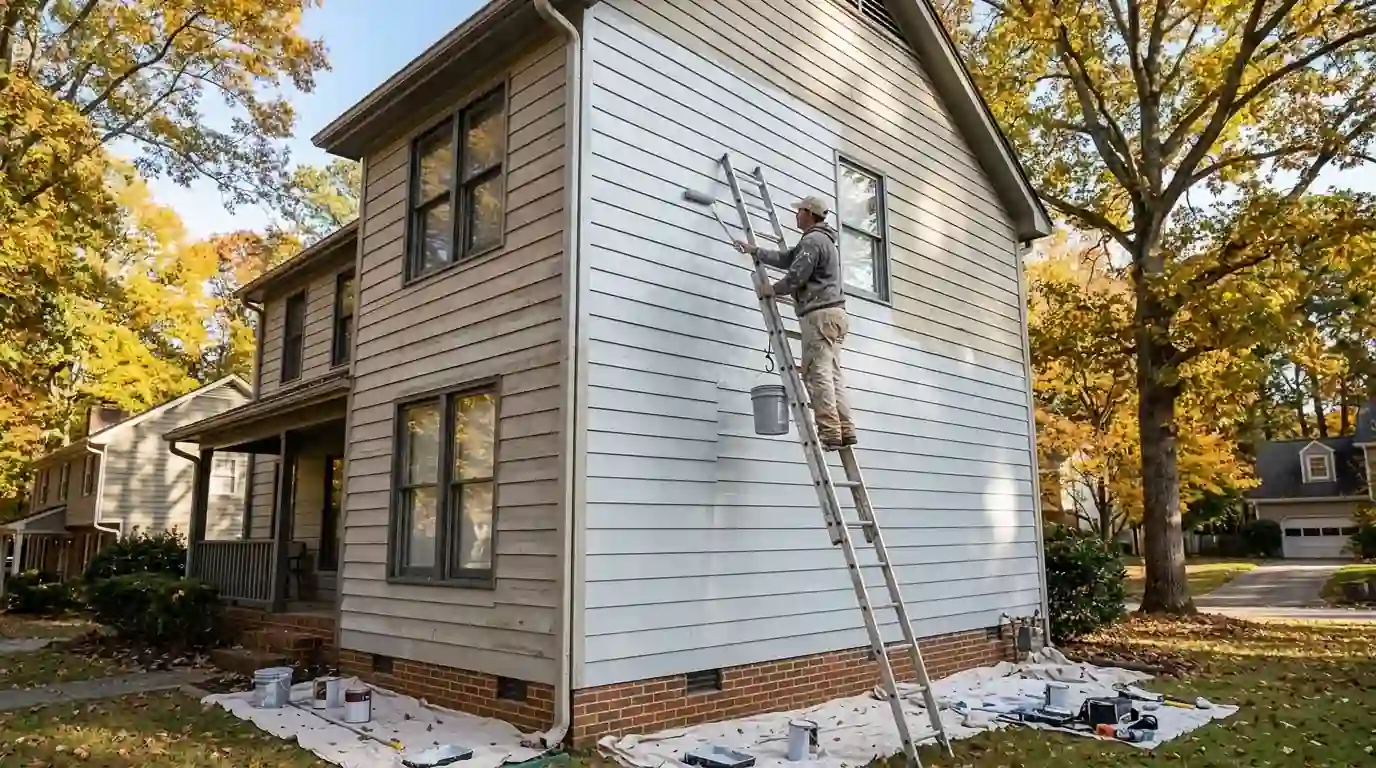
If we could pick one stretch of the year for every exterior job, it would be late September into November. Daytime highs settle into the 60s and 70s, the air dries out, the pop-up thunderstorms of summer fade, and the yellow pine pollen is months gone. Paint goes on at a comfortable pace, it levels out instead of flashing, and the film has decent overnight temperatures to cure in.
Fall isn't perfect. Leaves drop into wet trim paint, so we blow off porches and gutters before we open a can, and the days are shorter, which trims an hour or two off each workday. Mornings can also carry heavy dew, especially in the low, wooded lots around the city. Even so, a fall repaint usually runs closest to the schedule we write down at the walkthrough.
- Late September to mid-November: the most consistent conditions of the year
- Late April through May: good once pollen clears, with some rain delays
- June through August: workable with early starts and storm watching
- December through February: possible on mild, dry stretches with low-temperature products
- March to early April: pollen season, better for interior rooms
What the paint can says about temperature
Every exterior paint label lists a minimum application temperature, and most of the acrylics we use fall somewhere between 35 and 50 degrees Fahrenheit. That number applies to the air and the surface, and it has to hold while the paint dries, not just at the moment the brush touches the siding. A 45 degree afternoon followed by a 30 degree night can leave latex paint that never fully coalesces, which shows up later as cracking or a chalky film.
Heat causes its own trouble. In July, dark siding in direct sun can run far hotter than the air around it, and paint applied there dries before it can level, leaving lap marks and thin spots. On summer jobs we follow the shade around the house, working the east side in the morning and the west side late in the day, so the surface we're painting is never the one baking in full sun.
Humidity, dew and the late-afternoon cutoff
Atlanta humidity slows drying, but dew is the bigger risk. When latex paint gets wet from dew or fog before it has set, the soap-like additives in the paint can rise to the surface and leave tan or brownish streaks called surfactant leaching. It's most common on shaded walls and trim painted late in the afternoon, when the temperature drops toward the dew point after sunset.
To avoid it, we start exterior application only after the morning dew has dried off, which is often 9 or 10 o'clock in spring and fall. We also stop applying paint on shaded and north-facing sides a few hours before evening, and we save those walls for the middle of the day. The streaks usually wash off, but they can return a few times and they look terrible on a new paint job.
- Tan, brown or glossy streaks running down fresh paint
- Sticky spots that stay tacky a day later
- Flat, dull patches on an otherwise even satin finish
How we work around summer thunderstorms
From June through August, Atlanta afternoons often build into thunderstorms that arrive fast and leave just as fast. Rain on paint that isn't dry to the touch can wash pigment down the wall, pit the surface or ruin the sheen. Most exterior acrylics need an hour or two before light rain stops being a problem, longer in humid air, so a storm that hits at 3 o'clock can undo work finished at 1.
Summer jobs still go well when we plan for it. We check the radar every morning and at lunch, paint the sides that face incoming weather early in the day, and keep plastic ready for doors and freshly coated trim. On days with a high storm chance, we shift to prep work such as scraping, caulking, and replacing soft trim boards, which keeps the job moving without risking finished paint.
Why spring pollen takes extra planning
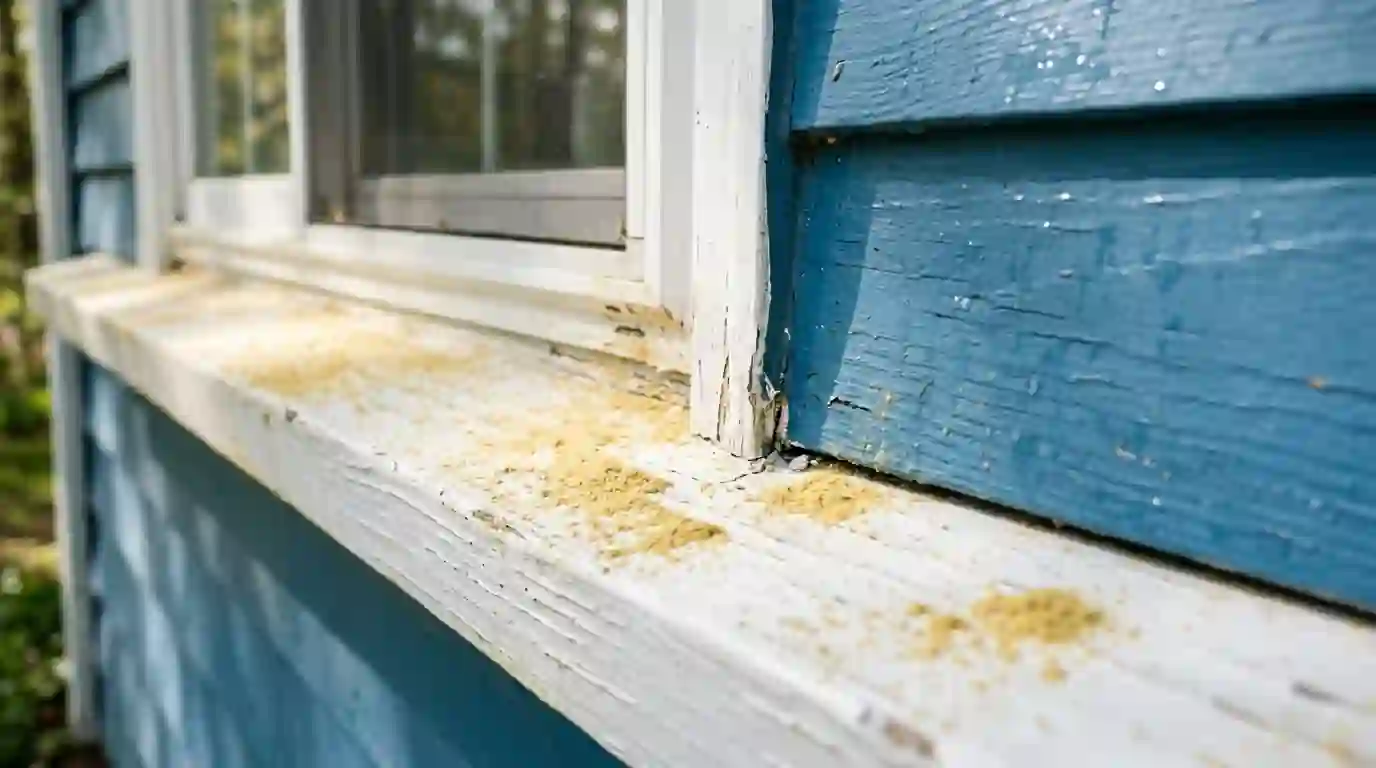
Roughly March into April, pine pollen settles over everything outdoors in a yellow film. It lands in wet paint and stays there, it coats the siding we just cleaned, and it gets into caulk joints before they skin over. Exterior work during peak pollen isn't impossible, but it means extra rinsing, extra wiping and a higher chance of gritty texture in the finish.
When a homeowner wants a spring exterior, we usually aim for late April or May, after the heaviest pollen has washed away in a couple of good rains. Right before we paint, we give the house a fresh low-pressure wash so primer bonds to clean siding instead of a dusty yellow layer. Meanwhile, March is a smart month to get interior rooms done while the windows stay shut.
Scheduling tips that keep your project on the calendar
Fall fills up first, so homeowners who want an exterior repaint in October are wise to schedule the walkthrough in July or August. That leaves time to settle colors, get any HOA approval back, and order specialty products. Ask how rain days are handled and what happens to the start date if the week before your job turns wet.
A little preparation on your side helps too. Trim back shrubs that touch the siding, move grills and planters, and let us know about sprinkler zones so they can be shut off for the week. If you're still choosing colors, a color session before the start date keeps your crew from waiting on decisions.
- Book fall work during summer
- Leave two to six weeks for HOA color approval
- Turn off sprinklers aimed at the house
- Trim plants 18 inches back from siding
- Confirm how weather delays are scheduled